Algae are small, microscopic organisms that use nutrients from the water and sunlight to produce their own food. They form the base of many marine ecosystems, supporting food webs and helping sustain life in the ocean. Under natural conditions, algal blooms occur seasonally and are an important part of marine environments. However, human activity is disrupting this natural balance, leading to the formation of harmful algal blooms (HABs) that can create toxic conditions for both marine life and people.
Harmful algal blooms develop when environmental conditions allow phytoplankton species to rapidly increase in abundance. Excess nutrients, particularly nitrogen and phosphorus, play a major role in this process. These nutrients often come from human activities, especially agriculture. Fertilizers used to grow crops can wash into streams and rivers during rainfall, eventually reaching the ocean. Additional sources include wastewater from urban areas and runoff from developed land. As more nutrients enter the water, they create ideal conditions for algae to grow quickly and form dense blooms.
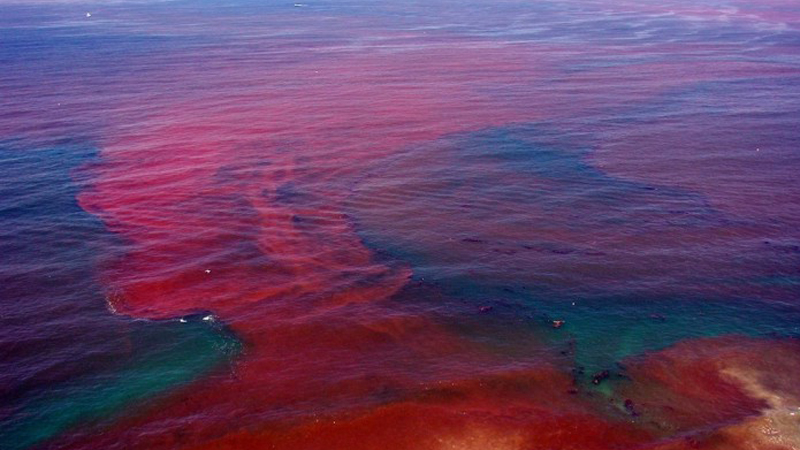
A major reason algal blooms are so damaging is tied to their life cycle and a process known as eutrophication. When excess nutrients enter the water, algae grow rapidly and form thick blooms at the surface. As these large blooms die, the algae sink into deeper water, where they are broken down by bacteria. This process consumes oxygen, leading to hypoxic conditions and the formation of “dead zones”. In these low-oxygen environments, many marine organisms cannot survive, forcing organisms to migrate or perish. Over time, repeated blooms can degrade habitats and reduce biodiversity, making ecosystems less resilient.
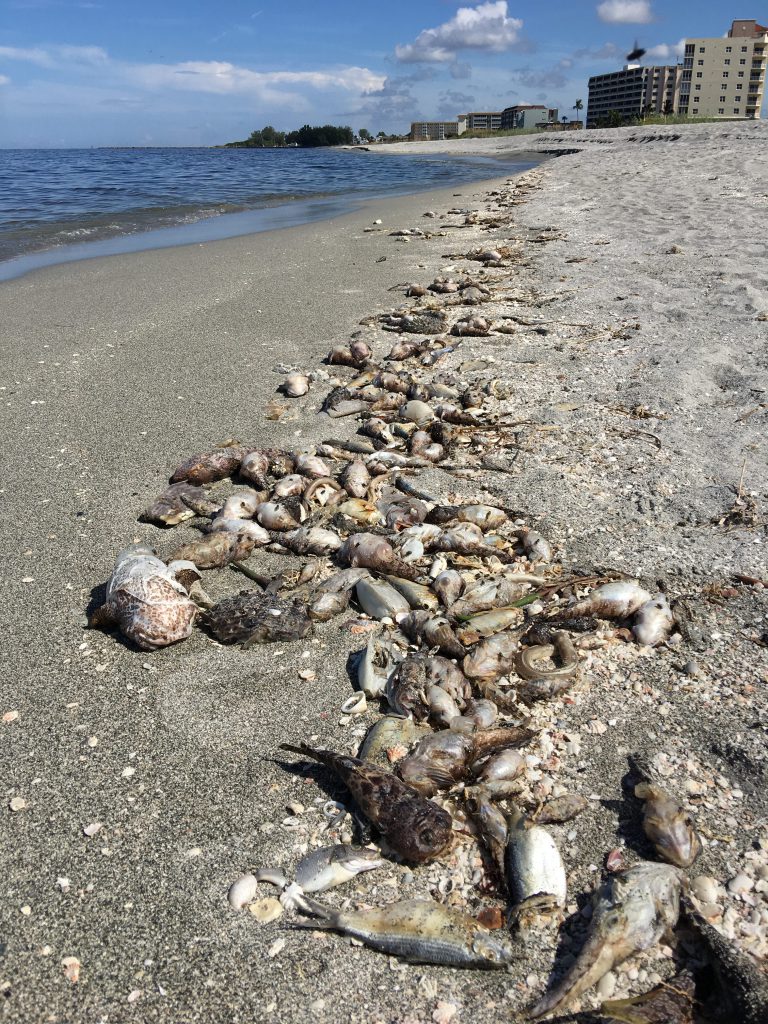
Climate change has altered ocean temperatures and circulation patterns, creating conditions that favor bloom development. Warmer waters allow algae to grow faster, and some harmful species, such as certain types of blue-green algae, thrive in higher temperatures. Many of these species are also toxic, meaning that as their populations increase, the risks to marine life and human health also grow. As a result, blooms are becoming more frequent, longer lasting, and more widespread, stressing already vulnerable marine ecosystems.
The impacts of harmful algal blooms also extend to human communities. Fisheries can be heavily affected as fish populations decline or become unsafe to consume due to toxins. Coastal economies that depend on fishing and tourism may suffer as water quality decreases and marine life is lost.
Despite the severity of the issue, there are ways to reduce the impact of algal blooms. Improving fertilizer use and limiting runoff can significantly reduce the amount of excess nutrients entering waterways. Natural solutions, such as restoring wetlands and coastal ecosystems, can help filter nutrients before they reach the ocean. Continued monitoring and research are also essential for understanding where and when blooms are likely to occur, allowing for more effective responses. Climate change, which is causing ocean temperatures to rise, is a global issue that will require collective effort to address; however, reducing nutrient pollution is a practical step that can help protect marine ecosystems.