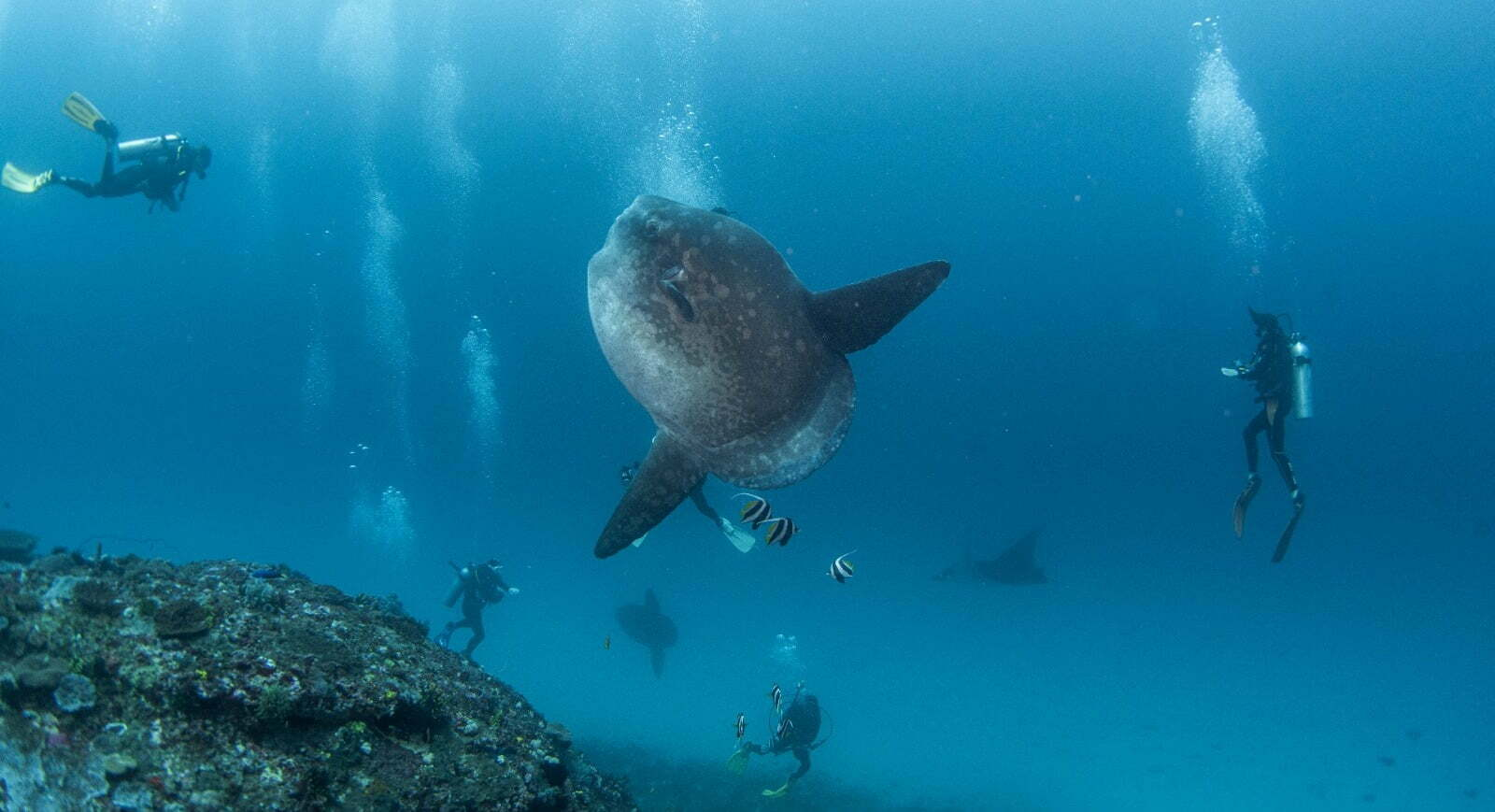
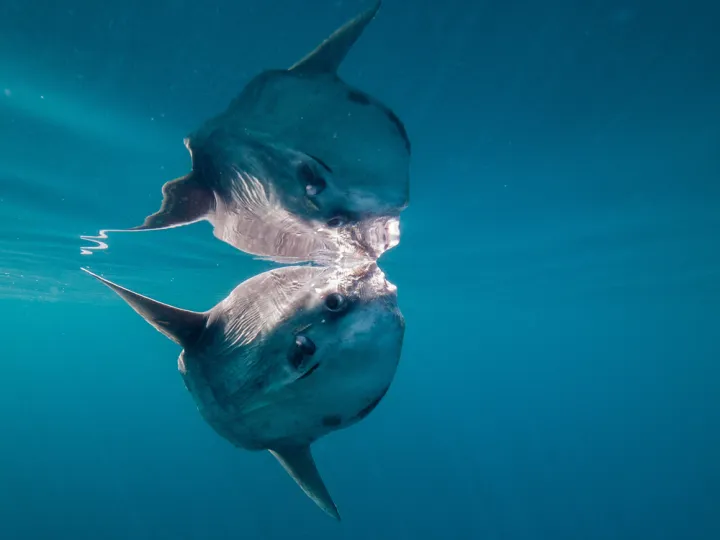
The Mola mola also known as the Ocean Sunfish is famous for being the heaviest bony fish in the world, but despite its massive size, it behaves in a surprisingly passive way that has led some scientists to describe it as functionally a plankton. At first glance, calling a 5,000-pound fish “plankton” sounds ridiculous. Plankton are typically tiny organisms that drift with ocean currents. However, the key idea behind plankton is not size, it’s lack of strong swimming control. Organisms that cannot actively resist currents are considered planktonic.
Mola mola blur this line.
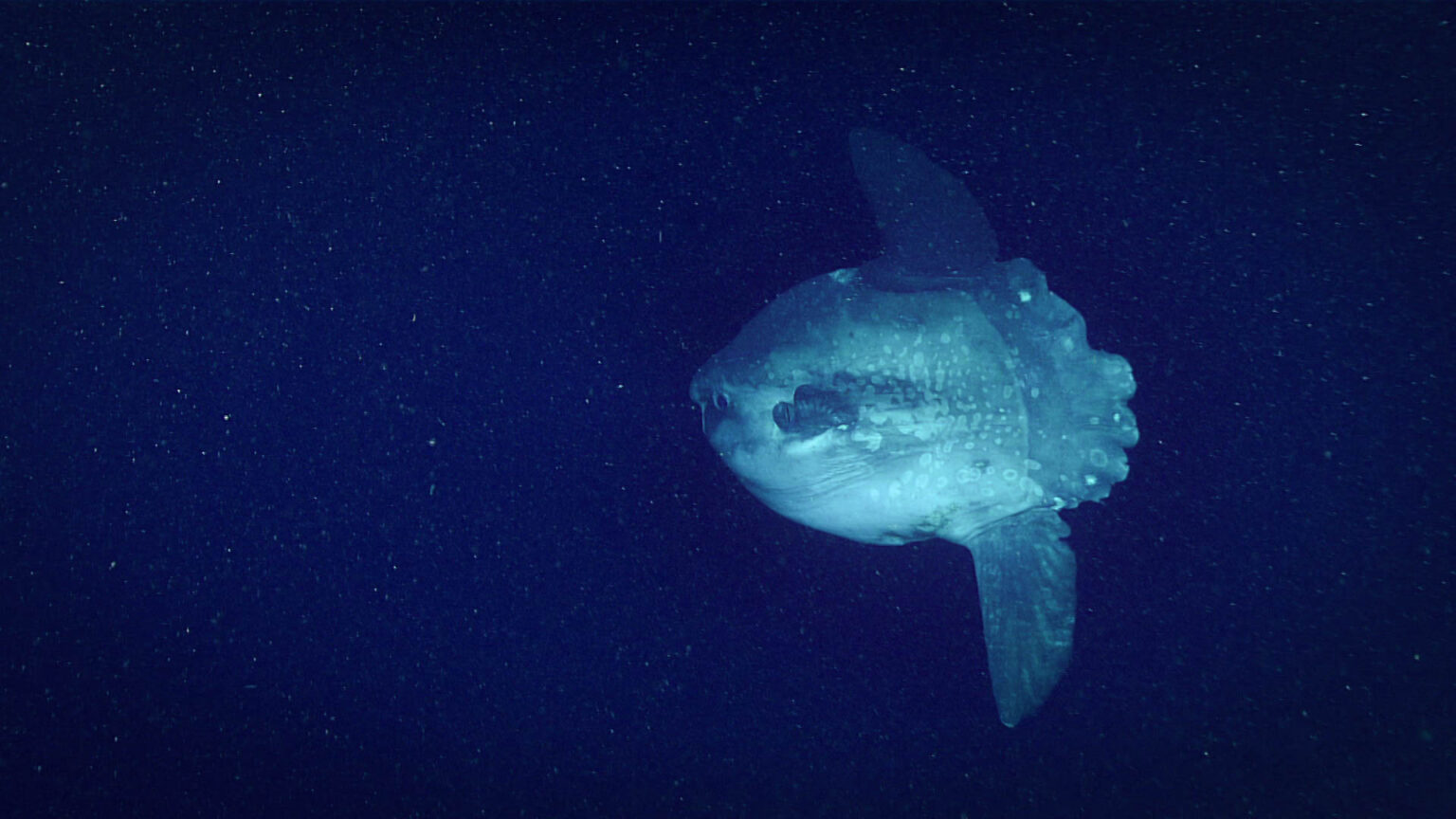
Although they are capable of swimming, their movement is relatively weak and inefficient. They propel themselves by flapping their dorsal and anal fins, but much of their large-scale movement across the ocean is influenced by currents rather than active navigation. Tracking studies show that sunfish travel long distances and change depth frequently, often following environmental conditions like temperature and prey distribution rather than maintaining a fixed path. Their feeding behavior further supports this idea. Sunfish primarily consume jellyfish and other gelatinous organisms that are themselves plankton or closely associated with planktonic communities. In regions with high plankton productivity, jellyfish blooms increase, and sunfish are often found nearby taking advantage of this abundant food source. Because jellyfish are low in nutrients, sunfish must consume large quantities, essentially drifting through plankton-rich waters and feeding continuously. This feeding strategy is much closer to a drifting grazer than an active predator. Some researchers have even shown that sunfish diets include a wide range of small pelagic organisms, especially when they are younger, reinforcing their close connection to planktonic food webs.
So are sunfish actually plankton?
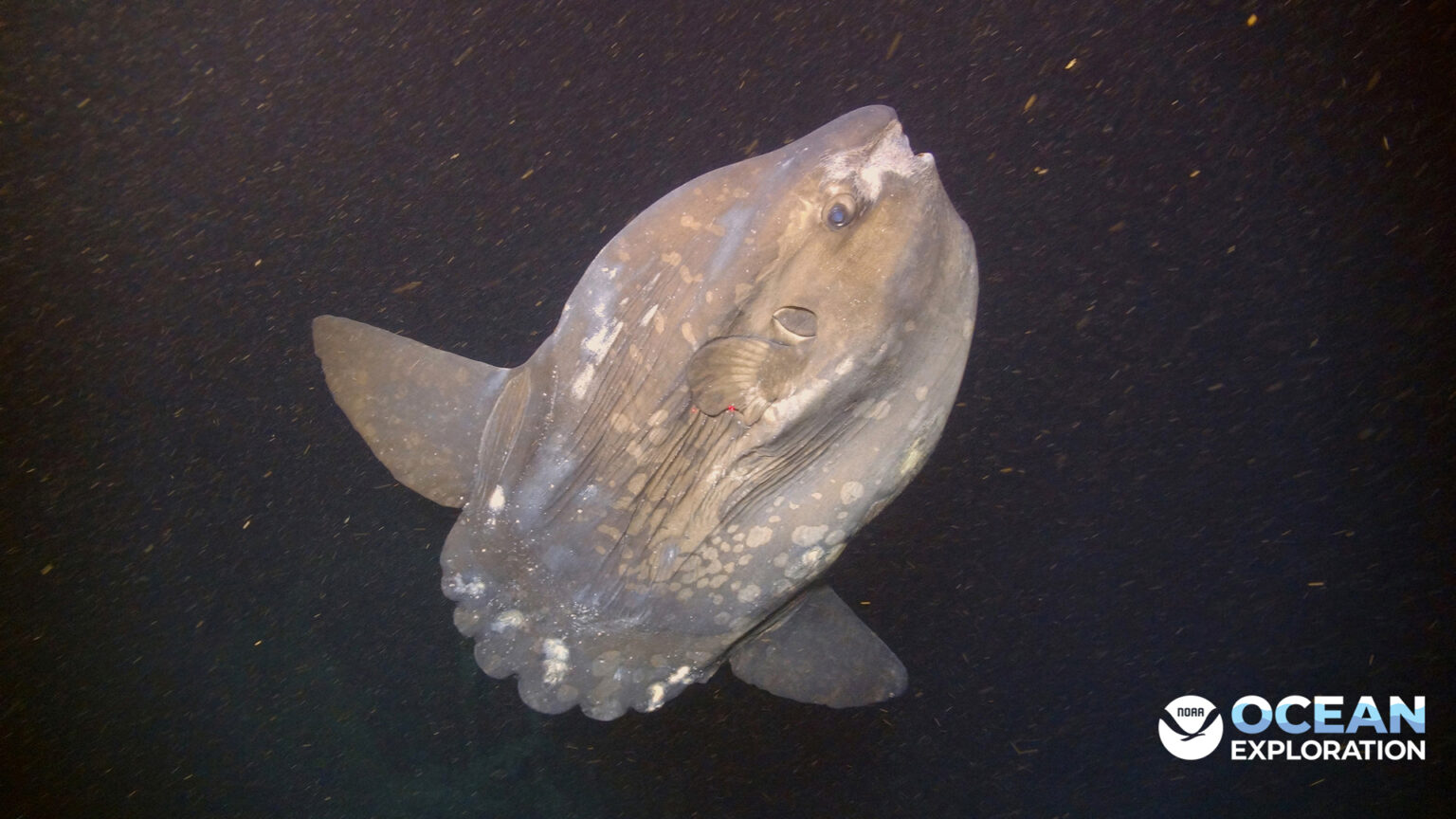
Not exactly. They are still classified as nekton, animals capable of swimming independently. However, in practice, their weak swimming ability, reliance on ocean currents, and dependence on plankton-based food webs make them behave like “giant drifting plankton.” This strange combination of traits is part of what makes the ocean sunfish so fascinating. It challenges the way we think about marine life categories. Even in the open ocean, where speed and efficiency often define survival, the sunfish shows that sometimes being planktonic can be enough.