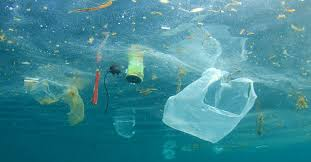
Examples of Plastic Pollution in Ocean (Ion Exchange)

Plastic pollution has become one of the most urgent environmental problems in our oceans. There are pieces of tiny particles, and human waste is infiltrating marine ecosystems. Which is causing devastating consequences for marine organisms, specifically mammals. Taking from organizations like NOAA, WWF and the Marine Conservation Society, it shows plastic pollution is deadly and widespread.
Every year there are an estimated 100,000 marine mammals that die due to plastic pollution (WWF Australia). The deaths usually have two major causes, 1. ingestion and 2. entanglement. Marine animals often mistake plastic items as food and eat them. A floating plastic bag can look a lot like jellyfish, squid, and other things they eat. Which causes animals to consume them because they don’t know better. Once these things are ingested, plastic can block digestive systems, cause internal injuries, or lead to a false sense of feeling full which ultimately leads to starvation (Marine Conservation Society).
Entanglement is just as dangerous. Entanglement is usually a result of fishing gear that got discarded. Hundreds of thousands of tons of this material enters oceans yearly, and continues to trap and kill marine life. Animals caught in these materials can drown, get very severe wounds, become incapable of hunting or decreased mobility. Even if the entanglement is not fatal the injuries often have long term consequences.
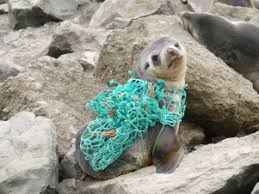
Sea Lion pup tangled in fishing gear. (https://www.sciencedirect.com/science/article/pii/S0025326X19304102)
Visible waste isn’t the only pollution issue. Microplastics, tiny particles less than 5 mm long that are usually breakdown of larger plastics, are also a threat. Plastic is not biodegradable, which means it breaks down into smaller pieces that last indefinitely. These particles are found throughout the ocean, in organisms and in human food and water supplies. When ingested, microplastics can carry toxic chemicals that disrupt hormones, impair reproduction and accumulate up the food chain in a process known as biomagnification (Marine Conservation Society).
Plastic has been recorded on beaches and is estimated to make up the majority of marine pollution in some regions. Millions of tons of plastic enter the ocean every year and without fail the number is expected to rise dramatically in the coming decades (WWF Panda). This pollution not only harms wildlife but also disrupts entire ecosystems, including coral reefs and food webs that humans depend on.
No matter how severe the crisis is, there are solutions. Reducing single use plastics, improving waste management systems, and participating in cleanup efforts can all limit the amount of plastic and waste entering the ocean. For bigger solutions, international cooperation and policy changes, like global agreements to reduce plastic production are essential to addressing the issue at its source.
Plastic pollution is a human-made problem, and it requires human action to fix. Changing individual behaviors and supporting systemic solutions, we can start to protect marine mammals and preserve the health of the oceans for the future.
Sources:
https://wwf.org.au/blogs/plastic-in-our-oceans-is-killing-marine-mammals/ https://www.noaa.gov/education/resource-collections/ocean-coasts/ocean-pollution https://www.mcsuk.org/ocean-emergency/ocean-pollution/plastics/plastic-pollution-on-marine-life/