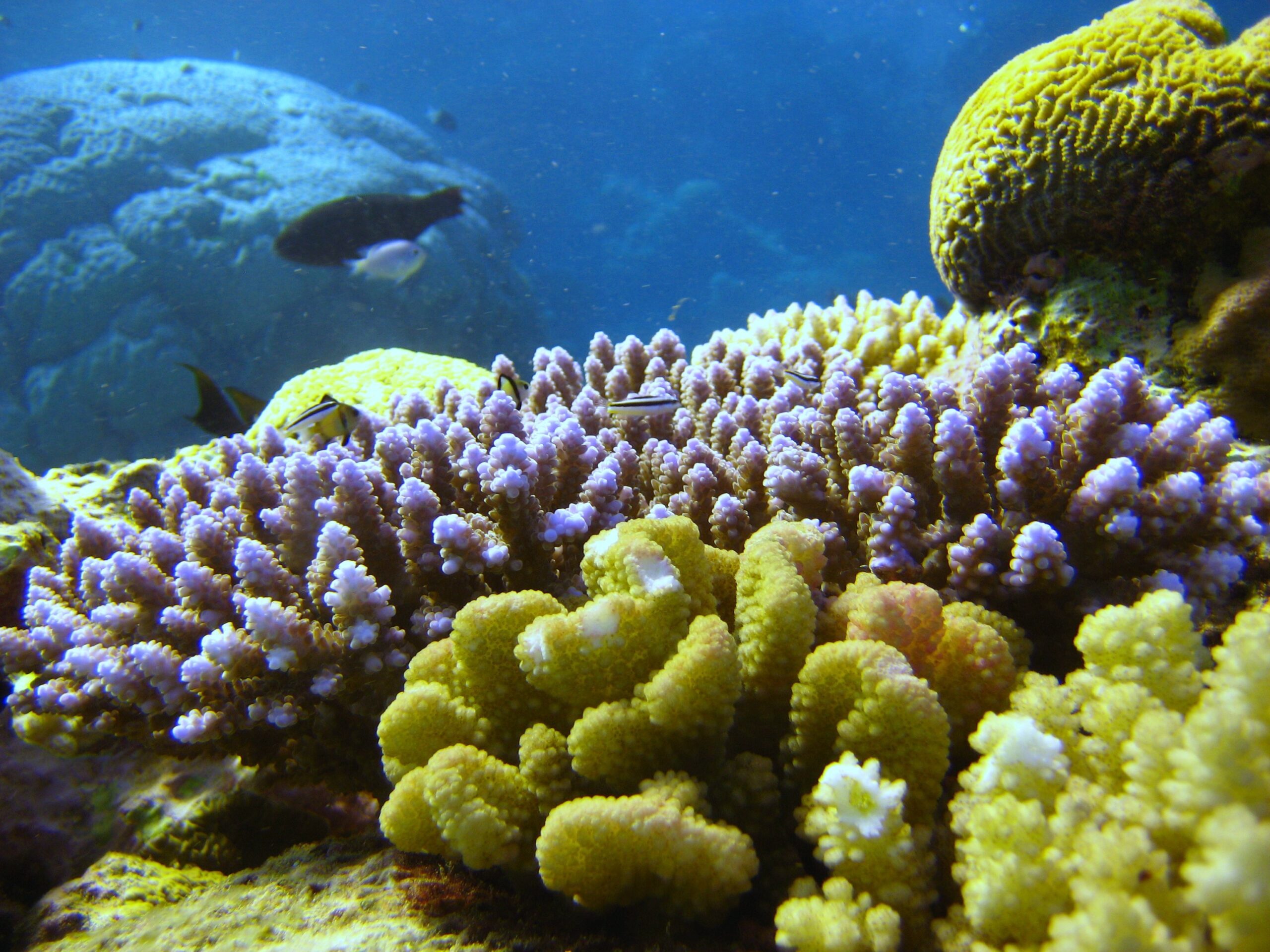
Cover Image: A Cleaner Wrasse (Labroides dimidiatus) swimming in a coral reef (Photo by Eric Johnson – NOAA)
Reef ecosystems are considered natural treasures for their immense beauty, yet their sustainability is managed by fish smaller than half a foot long. Cleaner fish are essential to reef ecosystems and come in a variety of species, including the cleaner wrasse, neon gobies, and lumpfish. These fish specialize in removing parasites, dead skin, and debris from other larger fish at specific “cleaning stations”, usually located within reef ecosystems. Despite only growing between 3.5 and 5 inches, these fish have the ability to shift entire marine communities. But how can something so small have such a massive impact on something as large as a coral reef?
To see the true impact of cleaner fish, we have to look even smaller. Microbes are another essential part of reef ecosystems as they perform a variety of services, such as nutrient cycling, biofiltration, coral defense, and even acting as a food source for other organisms. However, not all microbes in reef ecosystems are good. In coral bleaching events, microbial symbiosis shifts to microbial dysbiosis, which can end up hurting corals. But what’s the relevance between microbes and cleaner fish?
Scientists believe that cleaner fish actually shape microbial life on reefs. Reefs have their own distinct microbial “fingerprints”, and cleaner fish may be moving different microbes across reefs as they interact with different fish. A study was conducted on the reefs in Puerto Rico and St. Croix by removing cleaner fish from specific cleaning stations within the reef. They found that microbial patterns shifted in the stations that still had cleaner fish, while stations without cleaner fish saw a decrease in fish presence and microbial patterns. But what is the broader impact of this study, and the study of cleaner fish and their stations?
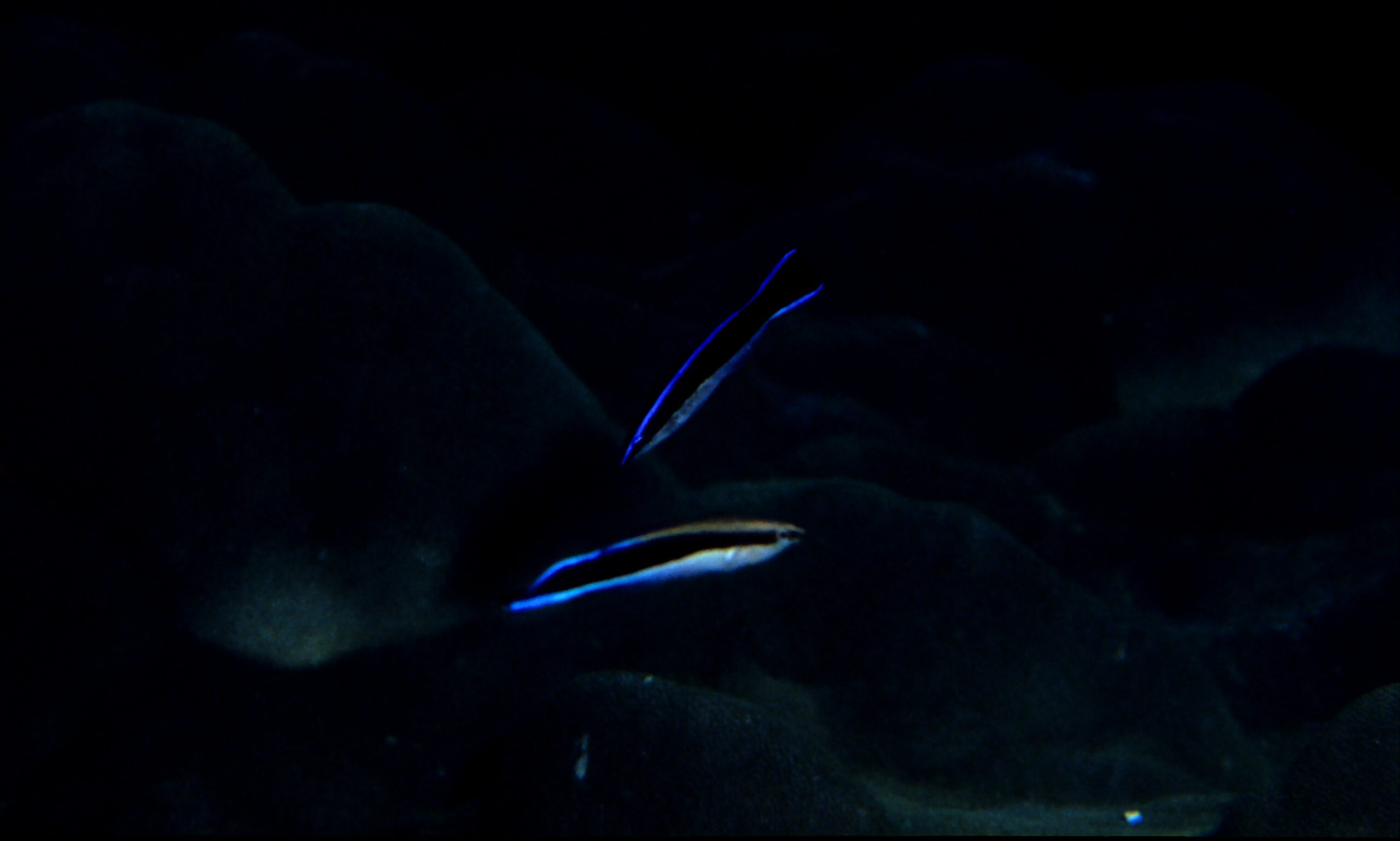
A pair of bluestreak cleaner wrasse (Labroides dimidiatus) swimming at night (Photo by Dr. Dwayne Meadows – NOAA)
With the knowledge that cleaner fish have such a large impact on reefs, it lays the foundation for further studies looking at cleaning stations for microbial movement around reefs. This new information would not only broaden our understanding of reef ecosystems but could also provide insights into how to further protect reefs. A greater understanding of factors wiping out reefs, coral bleaching, and disease can help create better laws and environmental policies to ensure reef sustainability. Not much is known about the true relationship between cleaner fish and microbes, aside from their movement, so this information has the potential to shape our understanding of marine ecosystems for years to come.
Our coral reefs are so much more than just natural beauty, as they provide food, coastal protection, and generate billions of dollars in ecotourism per year. At a point in time when coral reefs are in a critical condition, it is essential that everything is done to ensure their sustainability in the future, even if it means looking at tiny fish. Cleaner fish were previously noted as keystone species, but it is only now being discovered how much they can actually influence marine ecosystems. Contrary to their size, cleaner fish continue to prove their impact and importance to the oceans and continue to support reefs worldwide
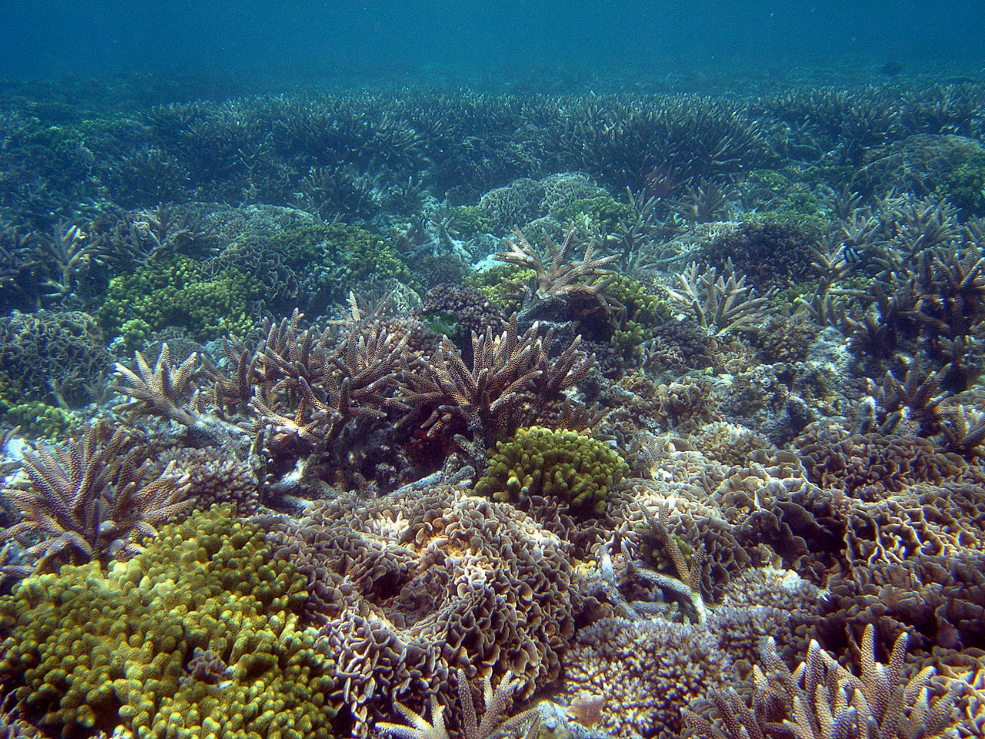
A diverse coral reef in Guam (Photo by David Burdick – NOAA)