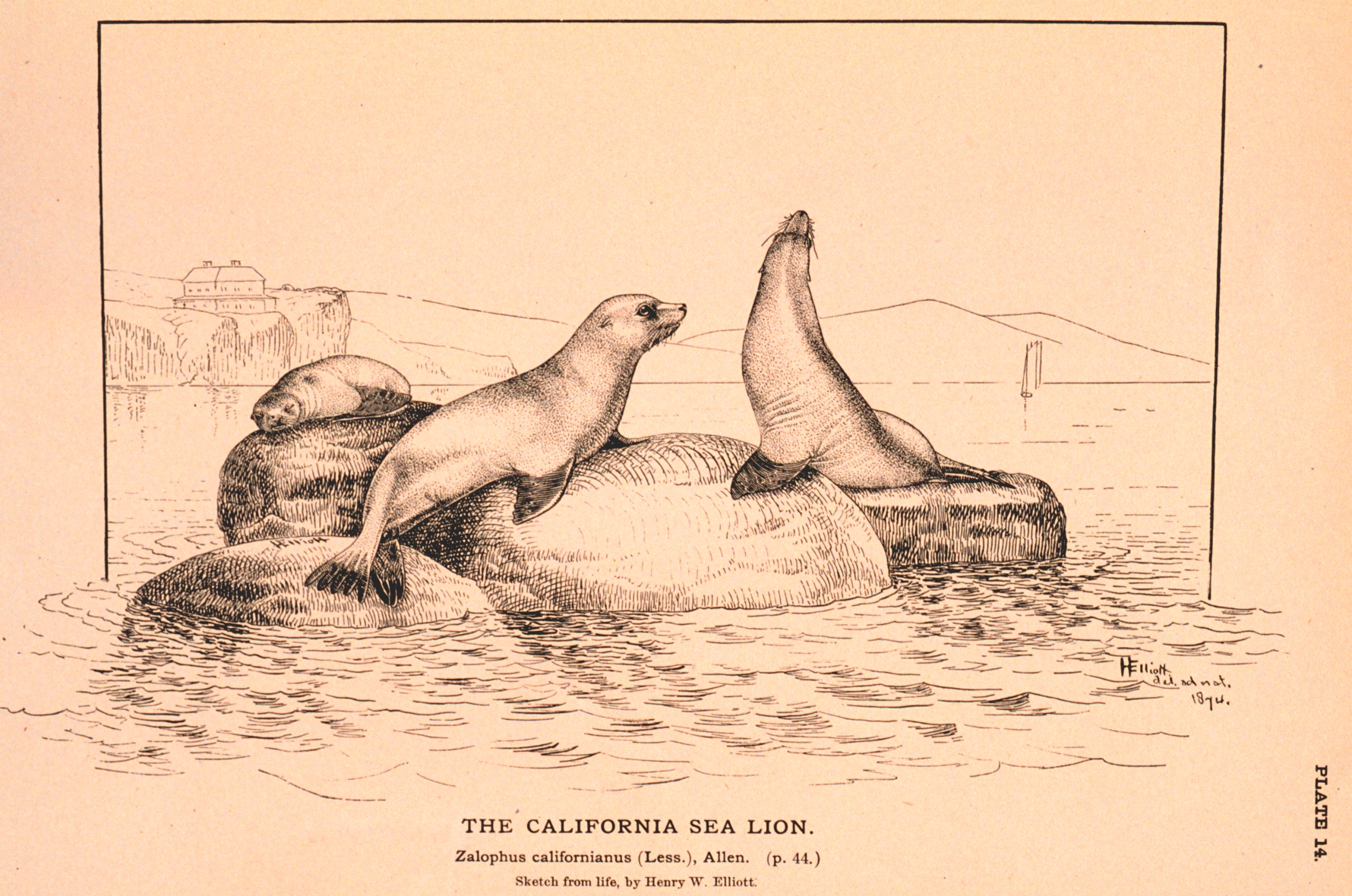
If you have been to an aquarium, chances are you have seen California Sea Lions. Zalophus californianus, or California Sea Lions, have high intelligence, playful energy, and dog-like vocals make them one of the most recognizable marine mammals. But, while these smart predators in aquariums live in controlled, protected environments, their wild counterparts face growing environmental threats, one of the most dangerous being harmful algal blooms.
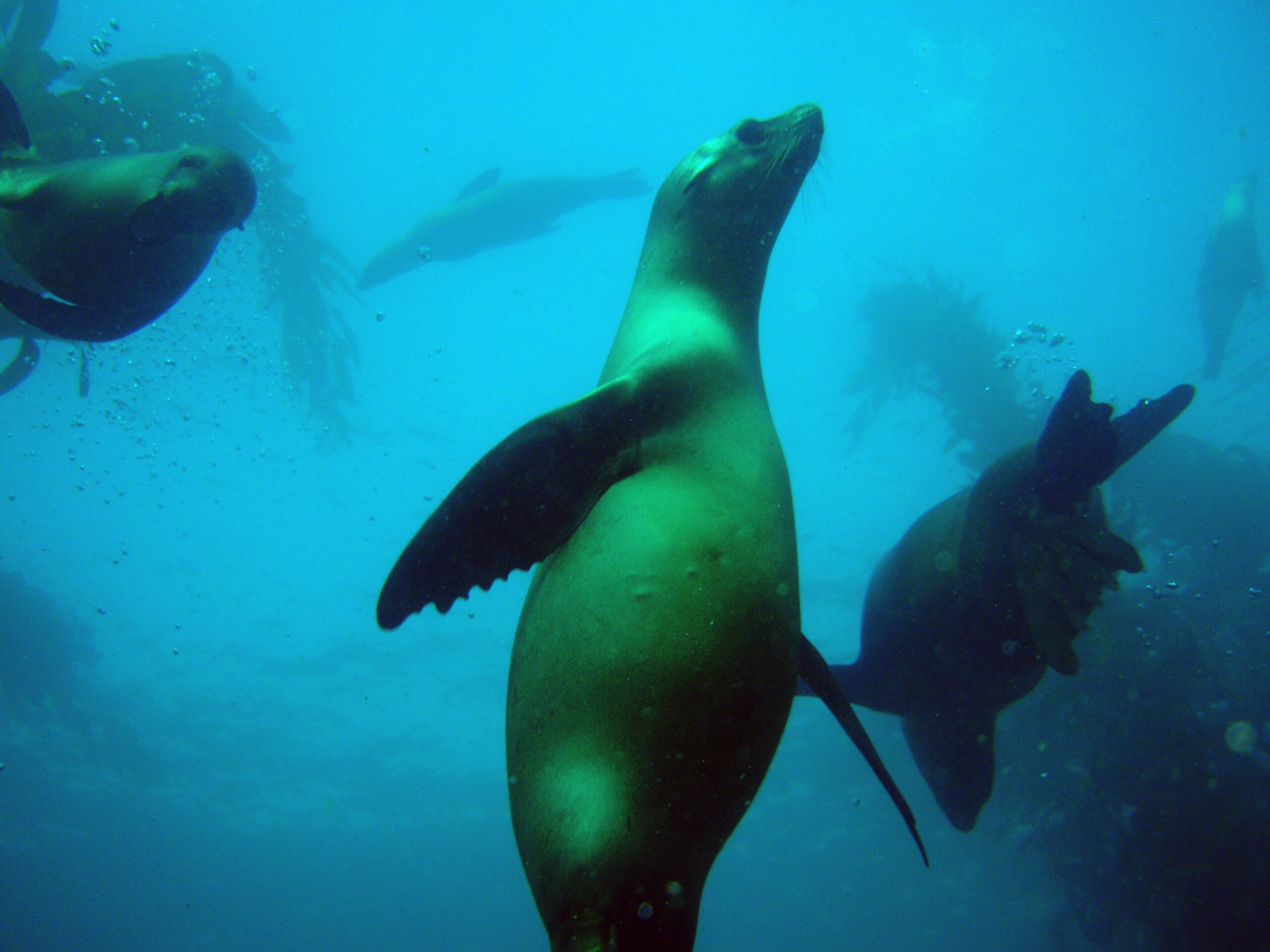
Since 1998, California Sea Lion populations along the Pacific Coast have been increasingly affected by toxic algal blooms. During these events, stranded sea lions often display alarming symptoms such as seizures, confusion, and aggression. These specific algal blooms are formed from diatoms in the genus Pseudo-nitzschia, a type of phytoplankton. When excess nutrients such as nitrogen and phosphorus enter waterways through runoff, sewage, or urban drainage, they fuel the overgrowth of these microscopic organisms.
Blooms produce large amounts of a neurotoxin called domoic acid, which gets eaten by lower trophic levels such as crabs and other small fish. As larger predators eat these contaminated prey, the toxin becomes more concentrated, a process called biomagnification. By the time it reaches top predators like sea lions, the effects can be severe. Domoic acid can cause seizures, which then cause brain damage. Some other symptoms of intoxication include loss of coordination, stillbirths, head weaving, and sometimes, aggression. Researchers have evidence that this brain damage impairs the sea lions’ spatial memory. This is the type of memory that helps an animal understand where it is. It not only helps a sea lion find food, but also navigate in the ocean. For a marine animal that relies on memory to hunt and travel across vast ocean distances, this damage can be devastating.
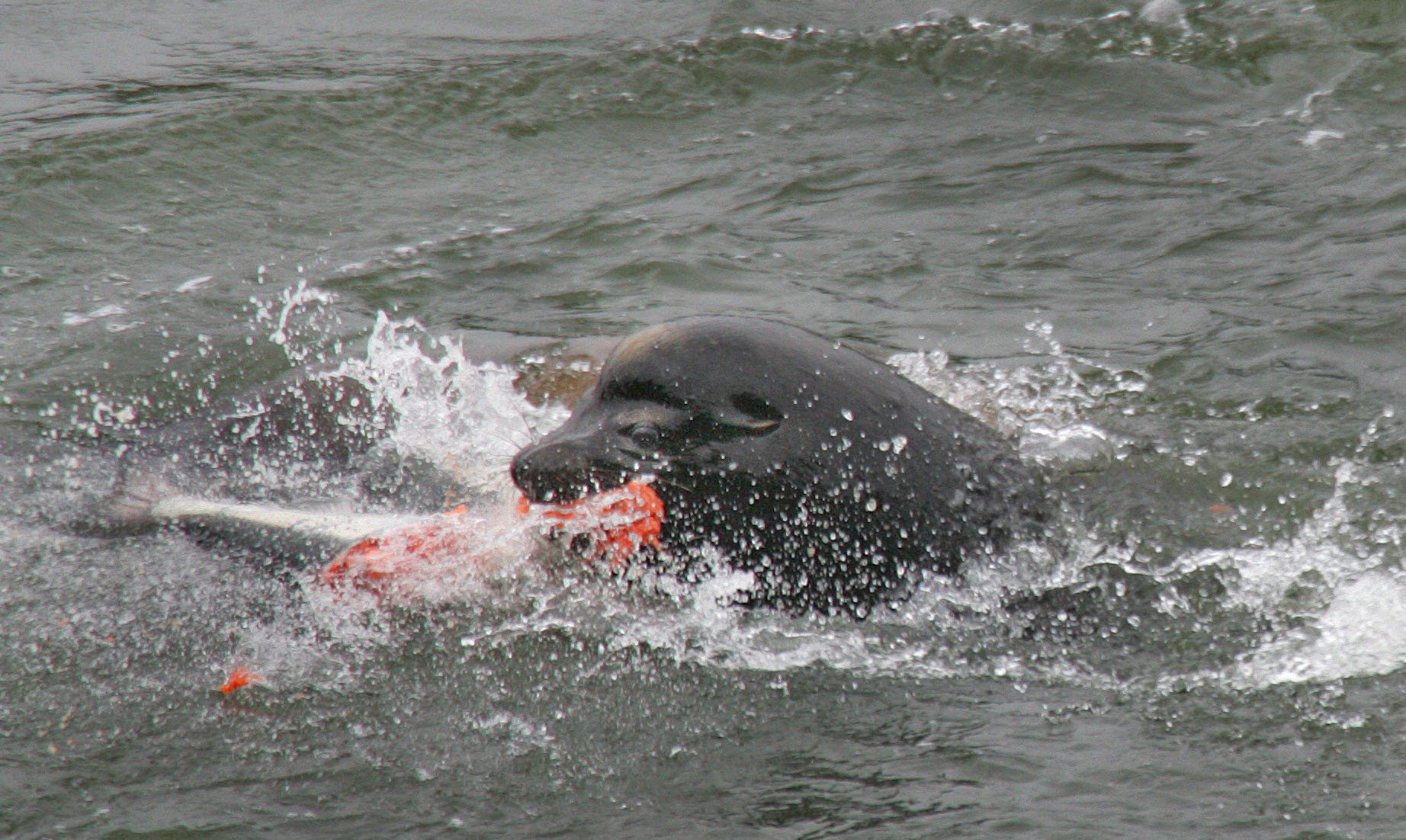
These conditions can be treatable, but sick animals are flooding marine mammal care centers up and down the California coast. Hundreds of sick sea lions strand on beaches each year, particularly during peak bloom seasons in the spring and fall. Even more concerning, these blooms have been increasing in both frequency and intensity over time.
Although harmful algal blooms are a natural process, human activity has significantly amplified their impact. Runoff from agriculture, chemical pollution, and wastewater discharge all contribute excess nutrients to aquatic ecosystems. Even suburban infrastructure, such as retention ponds, can become hotspots for algal growth. From there, polluted water systems eventually connect to rivers and oceans, spreading the problem further. Beyond harming marine life, algal blooms also create oxygen-depleted “dead zones,” degrade water quality, and negatively impact coastal economies that rely on fishing and tourism.
The growing threat of harmful algal blooms highlights the complex connection between human activity and ocean health. What begins as nutrient runoff on land can ultimately disrupt entire marine food webs, with sea lions serving as a visible and heartbreaking example of these consequences. Protecting these animals requires more than rescue efforts. It requires addressing the root causes of pollution and nutrient over-enrichment. By improving waste management, reducing agricultural runoff, and supporting environmental regulations, humans can play a direct role in reducing the severity of algal blooms. This ensures healthier oceans that can protect sea lions, while also preserving the balance of marine ecosystems that countless species, including humans, depend on.
Featured Image: Plate 14. The California Sea Lion. Zalophus californianus (Less.), Allen.