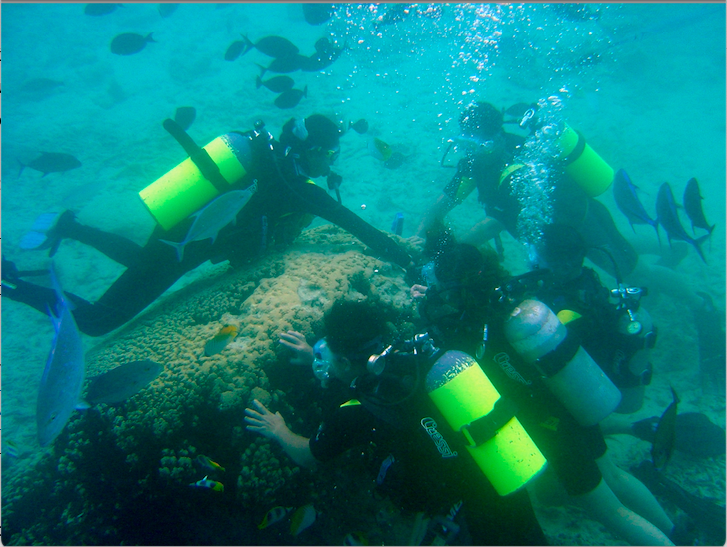
Being able to see the unique marine biodiversity this planet has to offer through snorkeling is a life-changing experience. Many people will travel to specific countries to see one-of-a-kind marine life, but they don’t think about the consequences this might have on that environment. Researching marine tour companies should be a traveller’s first initiative when choosing a snorkeling or diving company to go through. Some companies will have lax regulations, so tourists will take coral, leave trash, or get too close to marine life to either touch them or take a photo. This behavior can also lead to future tourists not being able to see this ecosystem due to a lack of conservation. These companies care more about the money than conserving the environment, so this will lead to more tour boats in the water, which could hit an animal and injure it or even kill them with the propeller.
Among the diversity of marine life that tourists will travel to see are whale sharks. These majestic creatures are rare to see because they migrate to areas with food or a place to mate. Unethical tour companies will feed whale sharks, so their populations will be more prominent in that area. This is a money grab since more tourists will go to the areas where the most sightings are. Hand feeding these creatures is very harmful because it causes a disruption in their migration pattern, as well as causing these creatures to become malnourished. Whale sharks go to areas that are plankton-rich, so they are attracted to the man-made feeding areas. Since whale sharks are so massive, they require an enormous amount of plankton to survive, but these companies do not have that large of a food source, so the whale sharks are losing nutrients. Attracting whale sharks through hand feeding has also caused a disturbance in their migration pattern. Due to these creatures staying in these feeding grounds for long periods of time, they don’t feel the need to migrate for a mate. This affects the entire species since now there are fewer pups being born.
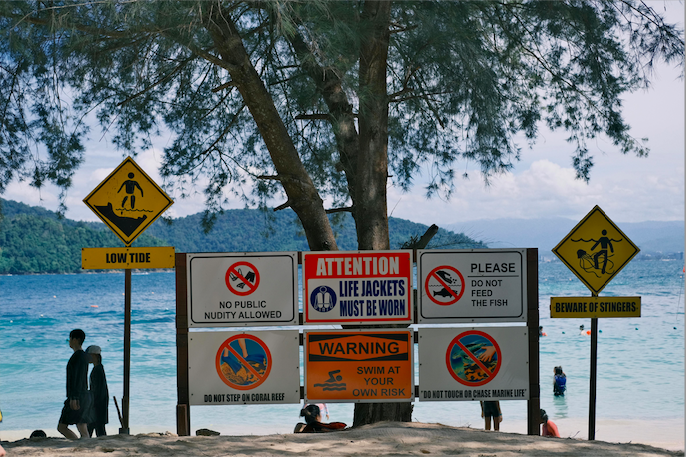
Snorkeling or diving with marine biodiversity shouldn’t be banned; instead, there should be a stricter, consistent understanding of conservation for these ecosystems. Some solutions for this predicament could involve educating the public, as well as implementing the same laws for all of these tour companies. Informing the public not to harass marine life could not only benefit the marine life but also themselves. For instance, if they try to touch an organism or just try to pick up a remnant of one, they could end up harming themselves from a crab pincher, urchin spike, jellyfish tentacle, sharp coral, stingray tail, lionfish spine, or an aggressive biting fish like a parrotfish or barracuda. To continue, enacting consistent regulations for these tour companies, such as limiting the number of time slots there are for each day, the number of tourists that can go out at a time, or even the distance from an organism that a tourist can be within. All of these solutions can help protect the traveler and decrease injuries to marine ecosystems.