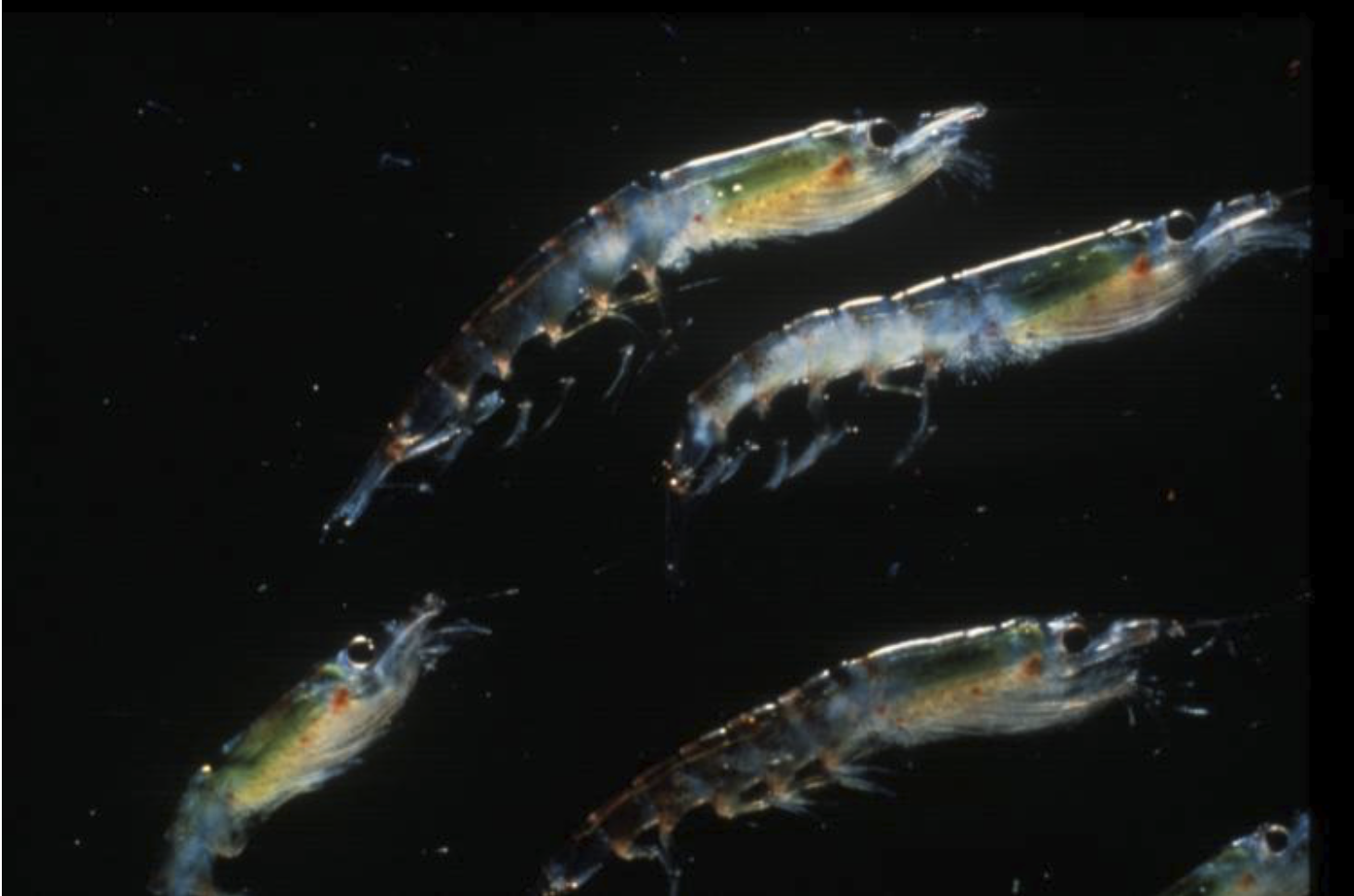
Antarctica, the southernmost continent in the world, is practically uninhabited and covered by all ice. With its extremely cold temperatures, high winds, and long periods of darkness, it is one of the harshest environments on Earth. Despite these extreme conditions, life persists. Here, krill thrive and are an essential species in the Antarctic ecosystem. They are the most important organisms in these waters and are known as keystone species. This can be defined as an organism that plays a disproportionately large role in maintaining a stable ecosystem. So why are krill so important? Well, they are a major food source for many marine organisms including whales, penguins, seals, and seabirds, making them a critical link in the Antarctic food web.
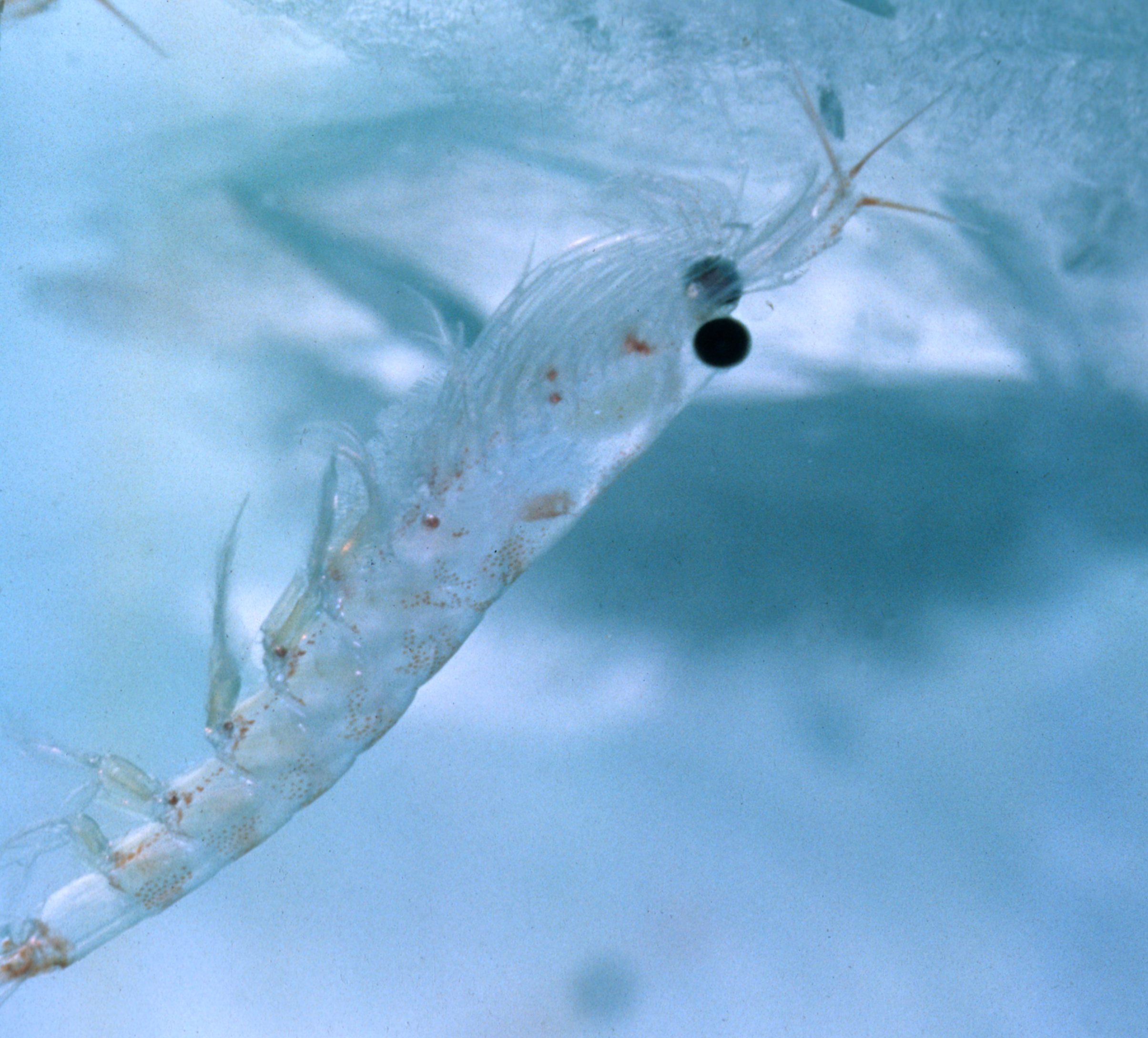
Beyond their role in the food web, krill also play an important role in regulating Earth’s climate. Krill contributes to carbon sequestration through a process called the ‘biological pump’, in which carbon dioxide is transported from the surface ocean and atmosphere to deep ocean waters. This process helps reduce the amount of carbon dioxide in the atmosphere, reducing the effects of climate change, and makes krill an important species for Antarctic ecosystems and global climate. As krill feed on phytoplankton near the ocean’s surface, they package carbon into their bodies and waste, which then sinks to deeper layers of the ocean. This effectively removes carbon from the atmosphere for long periods of time, highlighting how even small organisms can have a large impact on Earth’s climate system.
However, krill populations are still threatened by climate change. Rising temperatures and melting ice are transforming Antarctica’s ecosystems. Krill relies heavily on ice for feeding and development. Reductions in this ice cover can negatively impact survival rates. Overfishing and pollution further contribute to declining krill populations, which also influence the many other species that rely on krill in the food web. At the individual level, krill must balance their energy use in order to survive in such a harsh environment. Research shows that juvenile krill adopt survival strategies such as feeding when food is abundant and conserving energy when it is scarce. When energy reserves are sufficient, juvenile females begin early reproductive development, demonstrating a tradeoff between survival and reproduction.
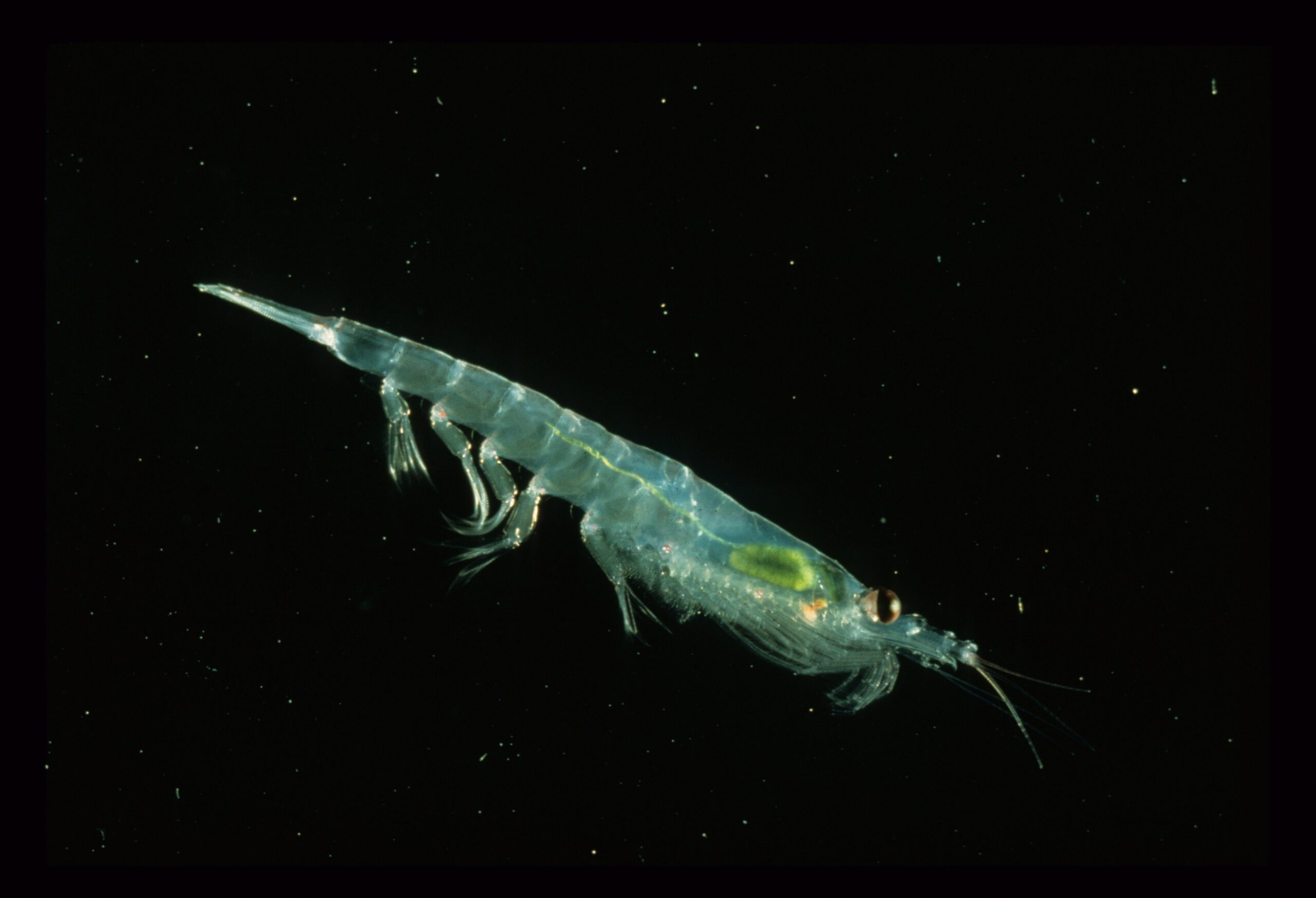
Overall, Antarctic krill are a small but powerful species that support both marine ecosystems and global climate processes. As environmental conditions continue to change, protecting krill populations will be essential for maintaining the balance of life in Antarctica and around the world. Additionally, implementing sustainable fishing practices and reducing greenhouse gas emissions can help protect krill populations and the many species that depend on them. By recognizing the importance of krill and preserving their habitat, humans can play a key role in ensuring the stability and health of Antarctic ecosystems.