
Contrary to popular belief, sharks aren’t boat eating monsters waiting to attack you on summer vacation. Sharks are some of the most diverse species on the world that come in a variety of all shapes and sizes. There are over 50 species of sharks on the East Coast such as mako sharks to sand tiger sharks to spiny dogfish.
The sharks can be sorted into different categories: coastal sharks, cold-water sharks, warm-water sharks, apex predators, offshore sharks and small sharks.
Coastal Sharks
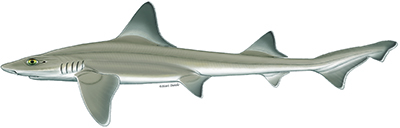
Coastal sharks are often found near bays, beaches and shallow water in general. Just because they are closer to the shore does not mean they are more dangerous. The sharks that live off the coast such as Sand Tiger sharks, Smooth dogfish and Blacktip sharks tend to have a diet of fish and squid with crustaceans for the smaller sharks. These sharks are often most spotted by swimmers and fishermen but do not have a habit of attacking humans. In fact, they often avoid humans like most other sharks do.
Cold-Water Sharks
Cold-water sharks do not go incredibly far that they are in the middle of the ocean but they tend to prefer the Atlantic water in the north but will often migrate south in the winter for warmer waters. This type of shark includes Spiny dogfish and Porbeagle sharks, both of which are found near Rhode Island and Massachusetts but do not have a habit of being dangerous to humans.
Warm-Water Sharks
Warm-water sharks are the opposite of cold-water sharks. They tend to prefer the warmer waters on the south of the East Coast but tend to go north during the winter. These sharks consist of Bull sharks and Tiger sharks. Not all warm water sharks are dangerous such as nurse sharks however the previous species listed can be dangerous so be cautious if you encounter a bull shark especially. Bull sharks are often considered to be one of the more dangerous shark species, more so than the reputation Great White sharks have.
Apex Predators
Most sharks rank high on the food chain due to them being dominant predators but there a select group of sharks that are on the top of the food chain and rank as high apex predators. One of the more infamous examples of an apex predator shark is a Great White shark. The apex predator sharks eat large prey, help regulate the ecosystems of the ocean and are strong swimmers such as a shortfin mako which is the fastest shark species. Apex predator sharks can attack humans but it tends to be very rare and out of the ordinary.

Offshore Sharks
Offshore sharks tend to be further off the shore than the warm-water or cold-water sharks as they prefer the deeper oceanic waters. Thresher sharks and Blue sharks are good examples of offshore sharks because they are rarely seen near beaches and often migrate long distances. These sharks do not have issues with humans as they tend to be so far offshore that they do not interact with humans. Thresher sharks specifically are very shy and will avoid humans if they happen to come into contact.
Small Sharks
If there was a group that is the least dangerous to humans, it would be the small sharks. These sharks still hunt and should not be treated like pets but due to their size, they do not pose a threat to humans. They tend to eat fish and invertebrates in coastal waters. Some examples of these sharks include Atlantic Sharpnose sharks and Finetooth sharks.
To Avoid or to Interact?
The simple answer is neither. Sharks may not be as dangerous as the movies portray them to be but they are still wild animals and should be treated as such. However that does not mean that you need to be scared of them either. If you see a shark, the best thing is to keep calm and not antagonize it. Remember that most shark attacks happen when sharks mistake humans for food, often seals. Whether you interact with them from a distance or still have a fear, sharks are a complex species that should be appreciated and protected.
https://www.fisheries.noaa.gov/atlantic-highly-migratory-species/sharks-atlantic-gulf-and-caribbean-coastal-waters https://www.mass.gov/info-details/shark-movement-and-habitat https://www.atlanticwhiteshark.org/