Manta rays are not just giants swimming around the oceans. They are often portrayed as solitary animals, but maybe that isn’t so true. Recent research in South Florida has shown that some juvenile manta rays carry whole ecosystems with them as they move.
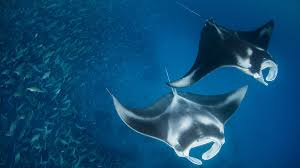
Normally people think of ecosystems as specific places like reefs, mangroves, etc. Things that are stuck in place. Scientists in South Florida have been studying Caribbean manta rays (Mobula yarae), and have found that these animals are acting as living centers for biodiversity. They have been attracting hundreds of other species and they travel. This means young manta rays aren’t just single animals but are basically mobile ecosystems, where fish are going to eat, live and interact.
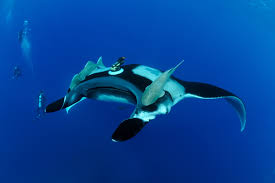
Researchers from University of Miami spent years gathering footage of this. They noticed patterns such as juvenile manta rays swimming near Palm Beach County where there is fish following them around and hanging on to certain areas like wings, gills and tails. Author Emily Yeager said these aren’t random interactions, they are repeated and consistent which leads them to believe that there is a longer relationship between the fish and the rays. Instead of the rays just being part of a food web they clearly have shown to have a bigger influence with how the other species are living and behaving with one another.
Scientists believe that there are many benefits for the fish in this relationship. Manta rays are able to carry the fish through plentiful feeding zones and mixed currents which offers them many feeding opportunities. The manta rays also have pretty large bodies which also offer protection from predators and shelter. There is a symbiotic relationship between the manta rays and a fish called remoras, the remoras occasionally clean parasites and other things off of the manta rays which creates a beneficial relationship on both ends.
Juvenile manta rays are labeled as a vulnerable species in South Florida. The discovery of this relationship between the fish and the rays also sends a message about conservation. Boat strikes, fishing lines, and human activity all pose significant threats to their survival. If manta rays really are mobile ecosystems then the danger extends out to the multiple species that have been depending on them.
The co-author of this article, Jessica Pate says that simple actions can help with conservation of this species. Slowing down boats where mantas feed/exist closer to the surface can make a huge difference. Being responsible in and around the ocean and coasts are all steps that can lead to supporting the manta rays and the species around them.
Manta rays being discovered as mobile ecosystems really helps communicate how connected all of the marine life in the ocean really is. The oceans and many ecosystems are complex, fragile and pretty surprising. This research can help remind us that life in the sea happens in many different places. Scientists observing manta rays as mobile ecosystems is expanding on what an ecosystem can really be.
Source:
https://phys.org/news/2025-12-manta-rays-mobile-ecosystems.html