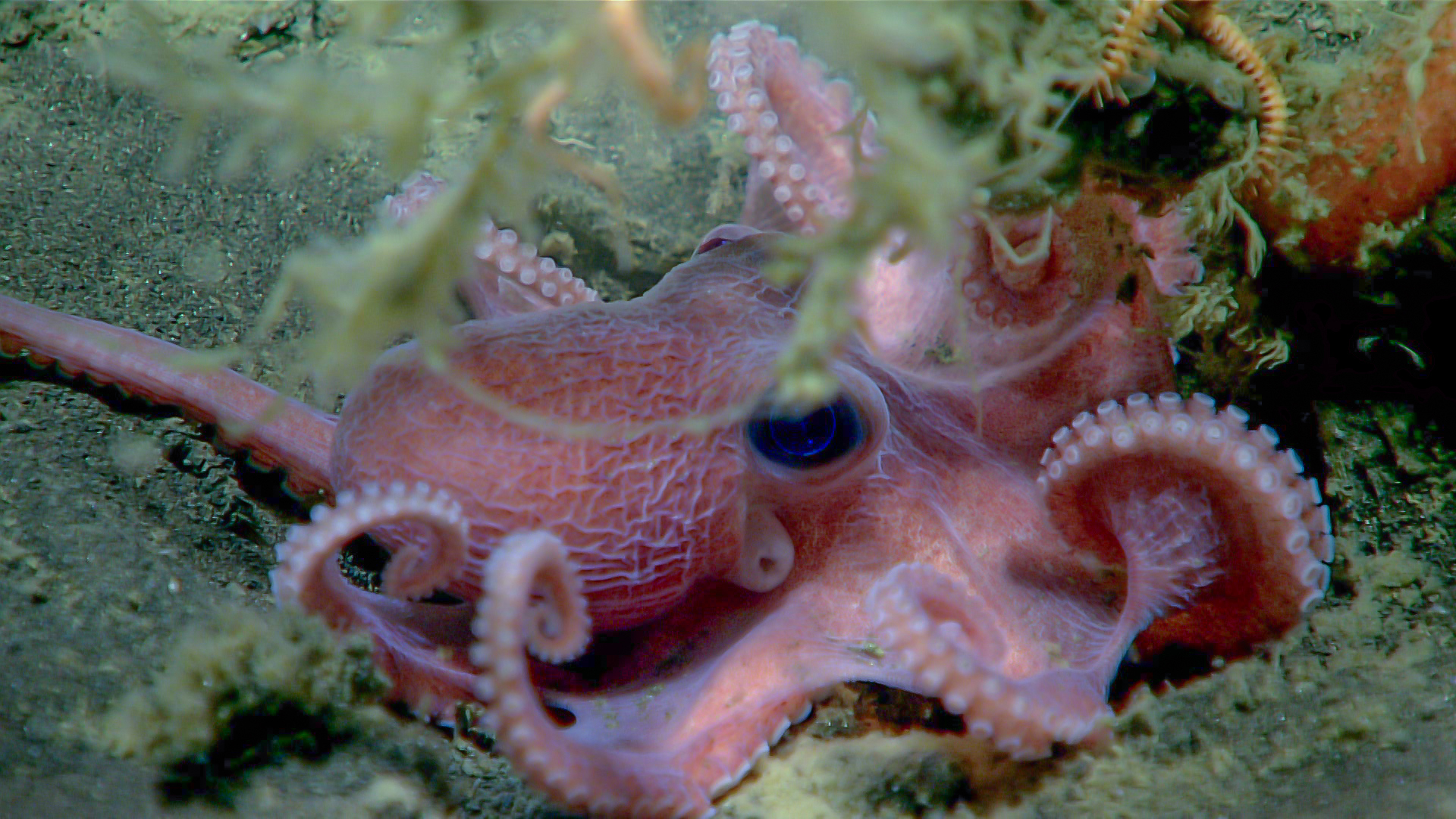
The octopus, notorious for being the alien of the sea with three hearts, nine brains, and eight arms, shows much intelligence in the underwater world. This marine mollusk, more commonly known as a cephalopod, is around 90% muscle. The absence of bones allows these creatures to fit into small spaces and conceal themselves. Their eight arms are highly sensitive and covered in small suction cups, which enable them to touch and taste. On the underside is a hard beak used to puncture the shells of their crustacean prey. These creatures are found in every ocean in the world, mostly in coastal environments hiding in small holes and crevices, away from predators. What the predator doesn’t know is that they can be outsmarted.
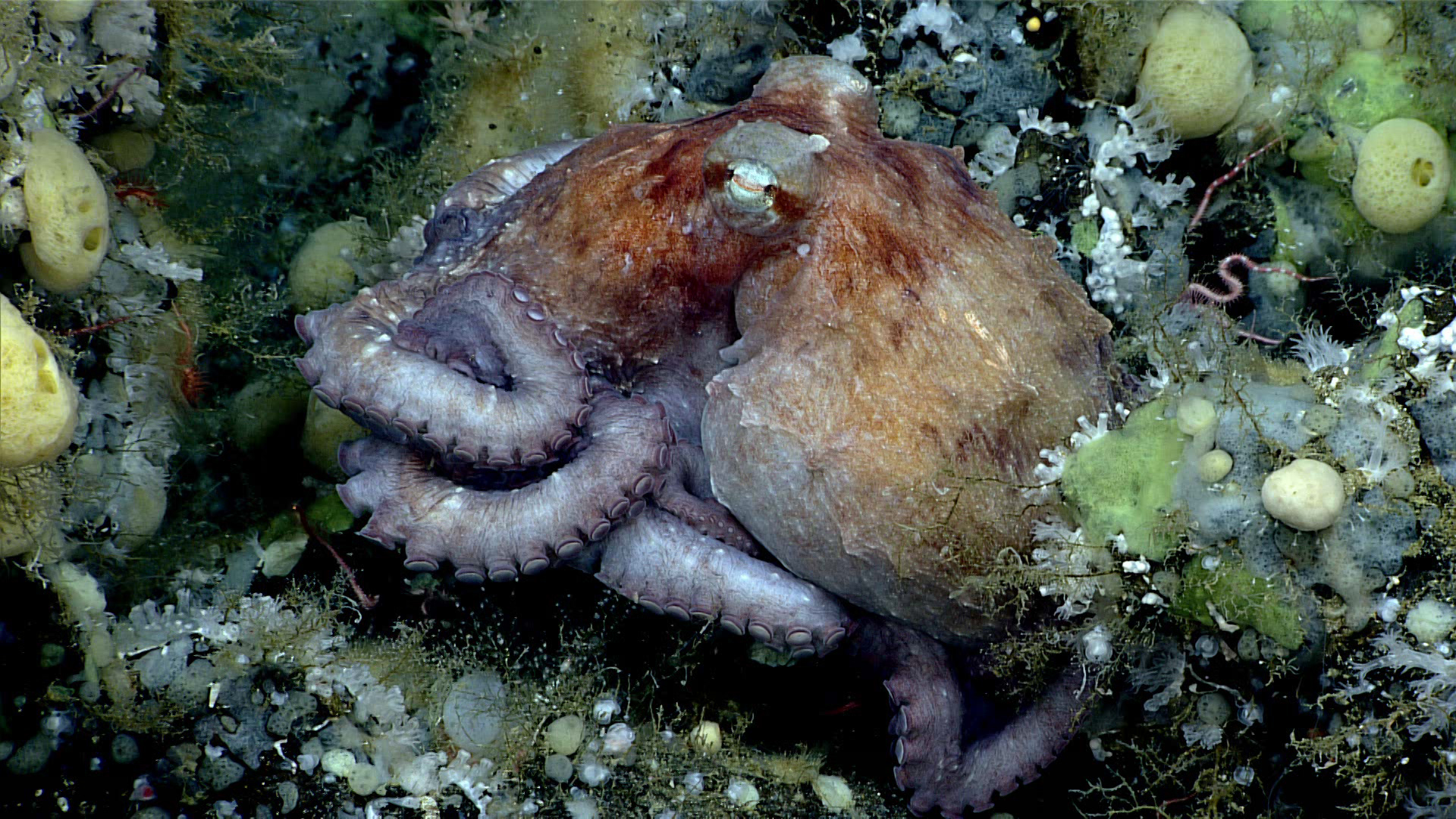
The octopus is uncannily a master of transformation. They can perform skin color changes, whether that be to appear invisible or stand out and pose as a threat. Beneath their skin, there are thousands of specialized color changing cells known as chromatophores. Each chromatophore contains a tiny sac that releases color changing pigments called xanthommatin. When the sac expands, the color is more visible on the skin, and when it is contracted, the color fades. By having control over these cells, the octopus can create an array of complex patterns across its whole body.
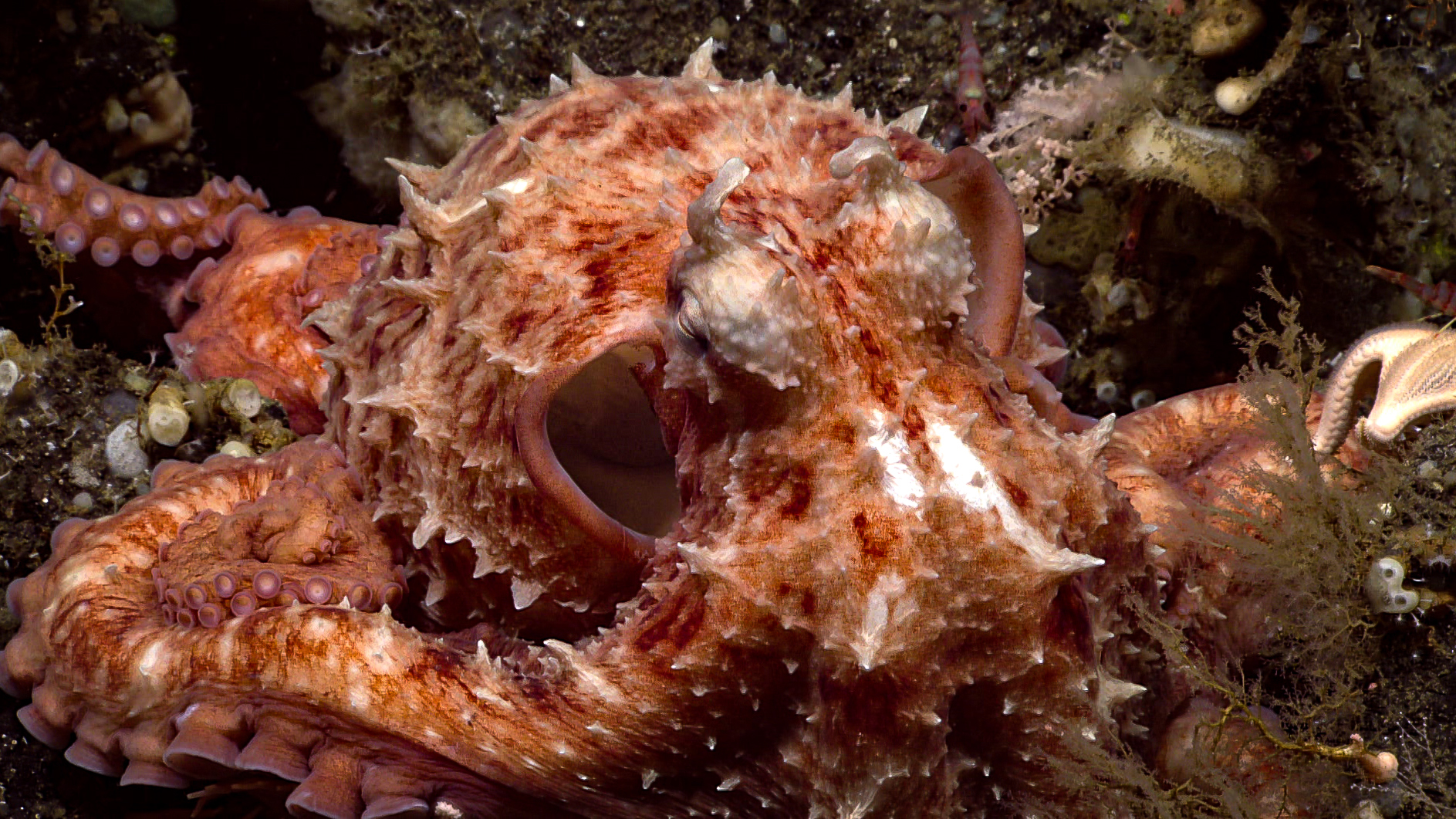
In addition to color changing cells, octopuses also have papillae. These are small, muscular projection areas on their skin that can rapidly rise or flatten to match the texture of the surrounding environment. They are able to mimic the roughness of rocks to the flowiness of seaweed. With both of these skills, the octopus is able to impersonate many different creatures or environments seamlessly, hoping to avoid danger.
Furthermore, octopuses are highly intelligent creatures. They have been observed to use tools for transporting food or creating shelter. They gather material such as leaves to carry food or stack shells to create a home, away from predators. This ability to store material for a later use shows planning done for the future, rather than instinct. Studies have demonstrated that they are also capable of problem solving and keep a memory of experiences and people.
The more we discover about octopuses, the more they challenge what we thought we knew about intelligence and behavior on Earth. From their use of tools to the mimicry of any environment, the octopus shows us how much more there is to discover.