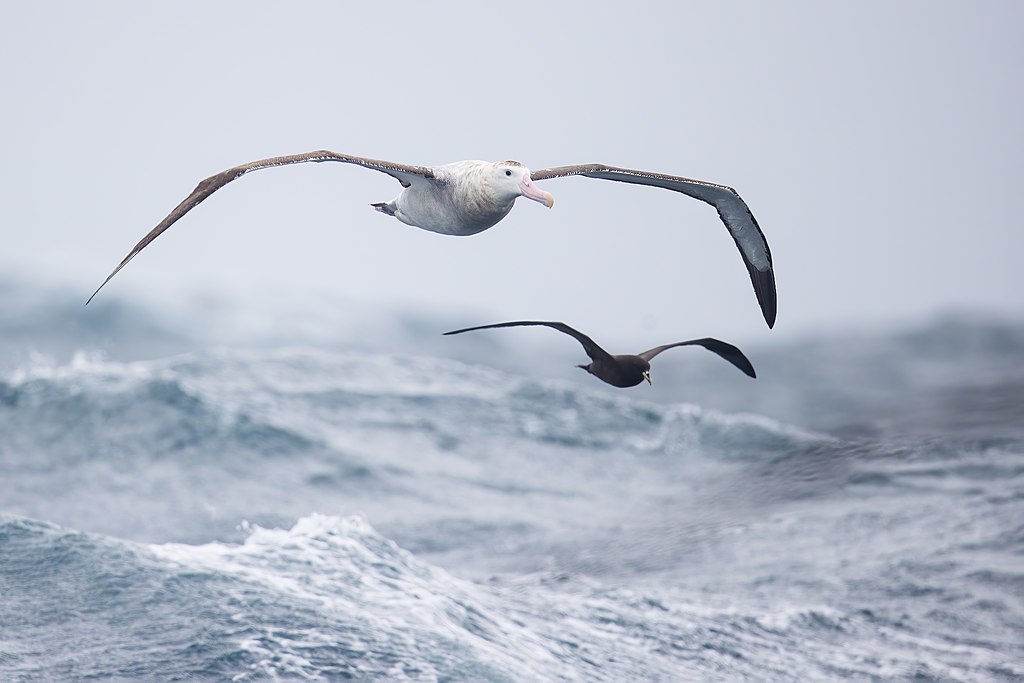
Cover Image: Wandering Albatross in flight. Image: JJ Harrison, Wikimedia Commons

With a typical wingspan of nearly 12ft the Wandering Albatross is truly a feat of nature. It’s the largest flying bird in the world and is only overshadowed by its prehistoric ancestors. This species is a true seabird, as they are tubenoses which refers to the specialized structure of their bill. This structure that covers the nostrils allow birds such as the Wandering Albatross to consume seawater and reduce the levels of salt through excretion. Other birds in this group include shearwaters, petrels, storm-petrels, and other albatrosses. This mechanism is vitally important for seabirds because it allows them to sustain their long trips across the ocean without needing to access freshwater.
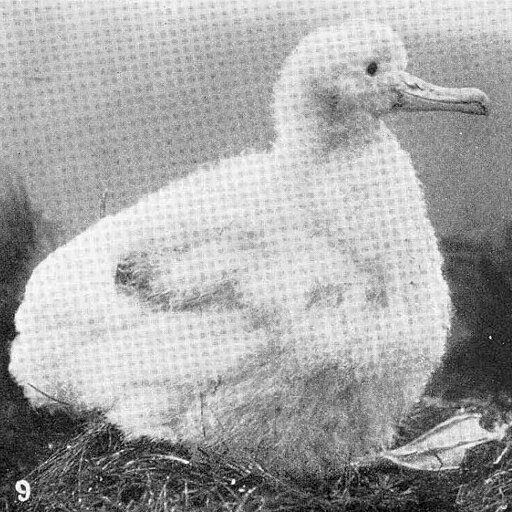
_in_Dosn,_Antipodes_Island.jpg)
The Wandering Albatross along with other albatrosses has a diet that is dependent on the sea. They can be found across the Antarctic, sub-Antarctic and subtropical water regions. When gliding across these bodies of water they feed primarily on marine life including fish, cephalopods, jellyfish, and on occasion penguin and seal carrion. In fact, young birds may remain at sea for 5-10 years while feeding before returning to land to breed.
Though, reproduction for these birds is a costly endeavor. Over a chicks life-time on its natal island, it may consume up to 100kg of food. Both of the chick’s parents work in tandem to sustain their chick in a period that typically lasts 300 days. This taxing process could explain why Wandering Albatrosses only breed once every other year. When not raising chicks however, these albatrosses can be found far and wide soaring across the ocean.
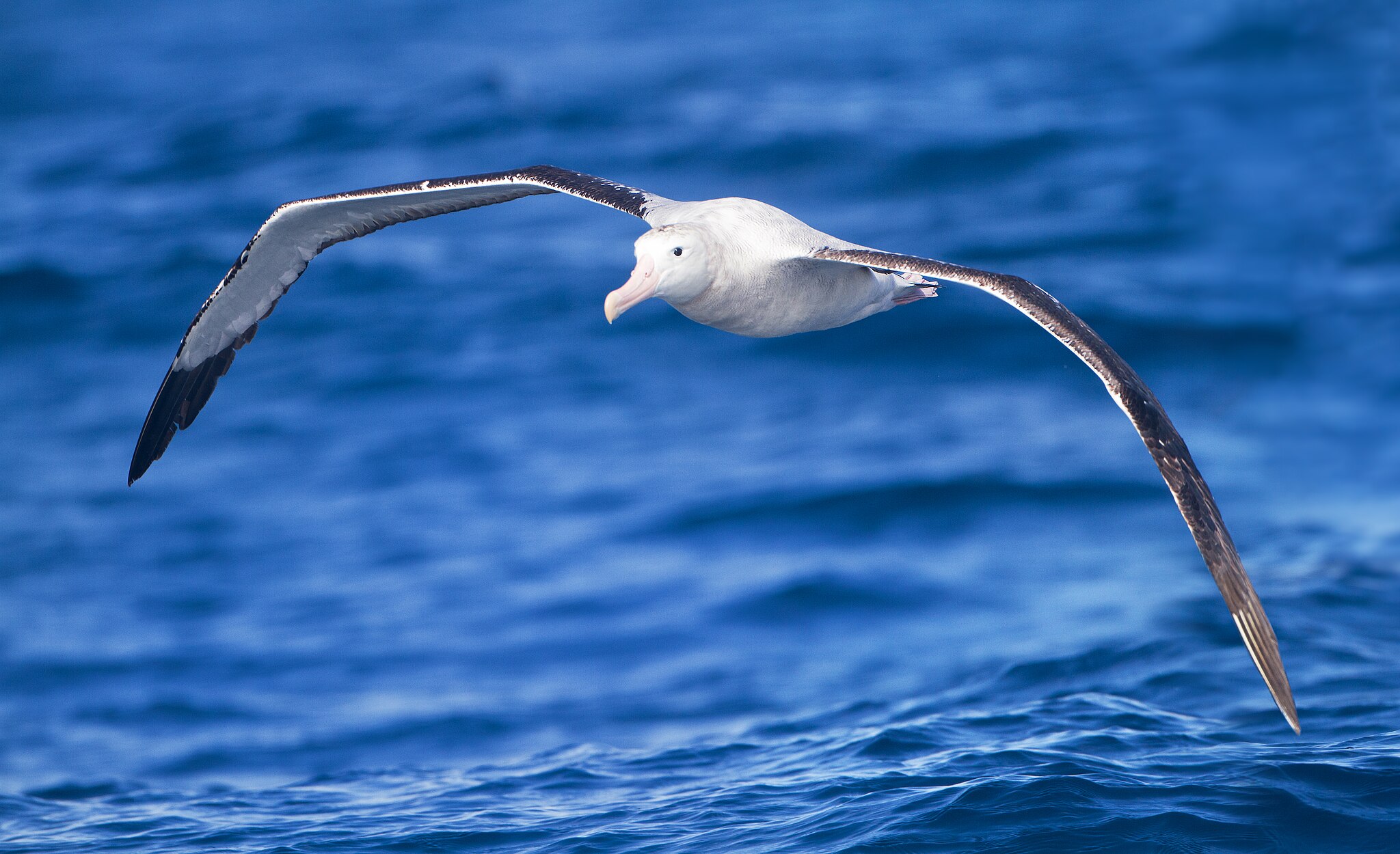
Amazingly many Wandering Albatrosses are known to fly more than 120,000km in a year. Evolution is responsible for their adaptations and traits that allow them to travel these great distances. Their large wingspan allows these albatrosses to glide on drafts near the oceans surface. They harness wind energy using a technique known as dynamic soaring. The exploit wind shear in addition to updrafts and turbulence to travel upwards of 20 meters per second. They are so efficient that in order to avoid an intolerable level of aerodynamic stress on their wing structure they limit their speeds by turning at 60° angles. This incredible flight technique in addition to other physiological features such as the tubenose is what allows Wandering Albatrosses to remain at sea for years on end. These impressive aerial creatures are not just a spectacle to admire, they are vitally important to further ocean conservation efforts.

They serve as ecosystem indicators, and their health provides insight into the overall condition of the marine environments that they inhabit. Changes in their population size, breeding success, or foraging behavior can reflect shifts in ocean productivity, prey availability, or broader environmental stressors affecting marine ecosystems. By monitoring species like the Wandering Albatross, scientists gain valuable information about the state of the ocean and can detect ecological changes that may otherwise go unnoticed. Thus, ensuring the continued survival of these marine voyagers is essential to protecting the health and balance of our oceans.