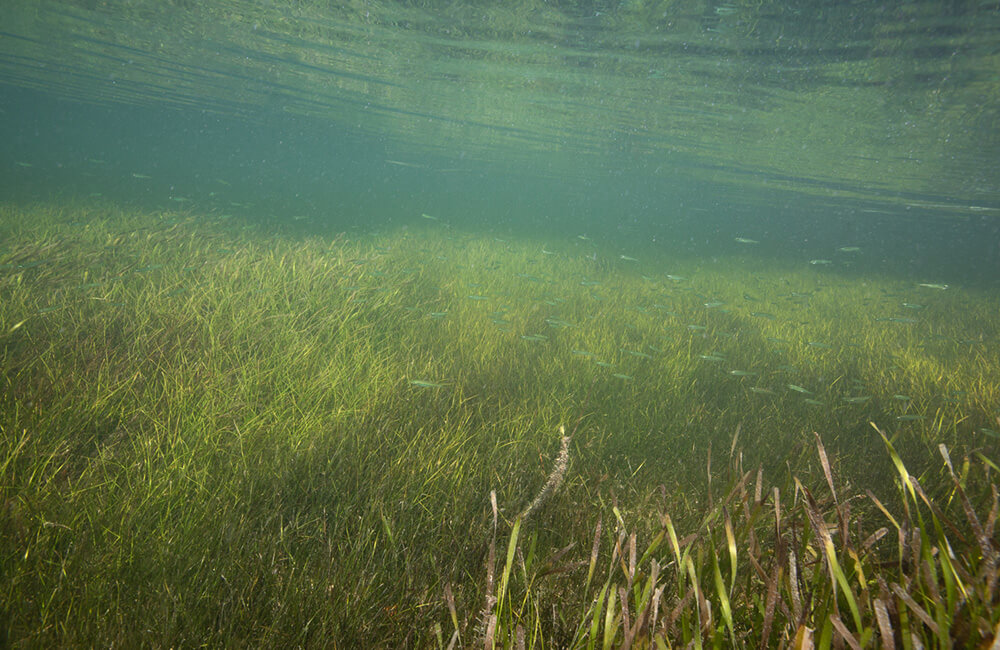
The ocean is full of diverse habitats, ranging from lush kelp forests to coral reefs, but one that is often overlooked is the seagrass meadow. Seagrass meadows are a unique coastal ecosystem consisting of true, flowering plants evolved to live fully underwater. They have a root system that anchors them to and absorbs nutrients from the soft substrates they grow over. This differentiates them from seaweeds, which are algae that typically attach to hard substrates with a holdfast that does not take up nutrients. The long, flowing blades of seagrasses provide habitat for a wide variety of organisms, including fish and invertebrate species, as well as larger grazers like sea turtles and manatees. Historically, healthy seagrass meadows played a large part in coastal food webs, but over the past few decades seagrass meadows have been struggling.
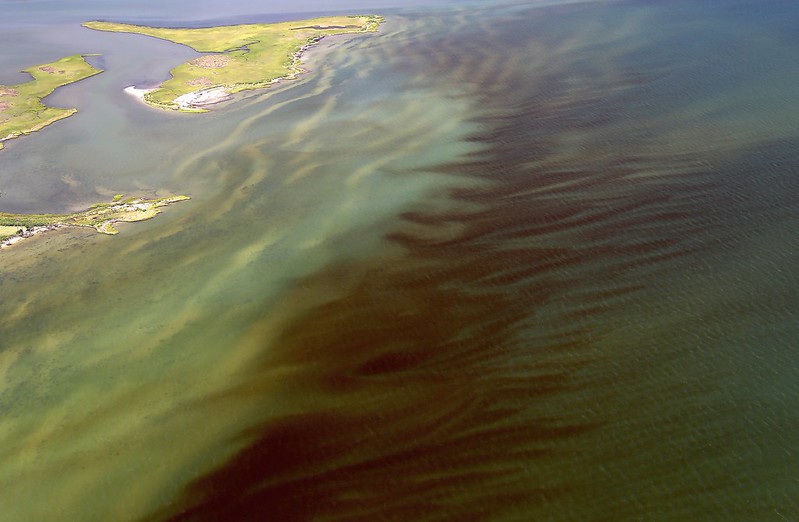
Photo: Wolfgang Vogelbein
https://shorturl.at/ULBAl
These vital habitats are threatened worldwide. Many estimates say nearly a third of seagrass meadows have been lost since the 1800s. The main factor in this loss is excess nutrient enrichment, mainly nitrogen and phosphorus entering waterways from sources like sewage, fertilizers and agriculture runoff, and stormwater runoff. When these nutrients are present in excess it triggers algae blooms. In enriched waters, algae grows quickly and densely, clouding the water, blocking sunlight, and coating the leaves of marine plants like seagrasses, hindering photosynthesis, and causing die offs.
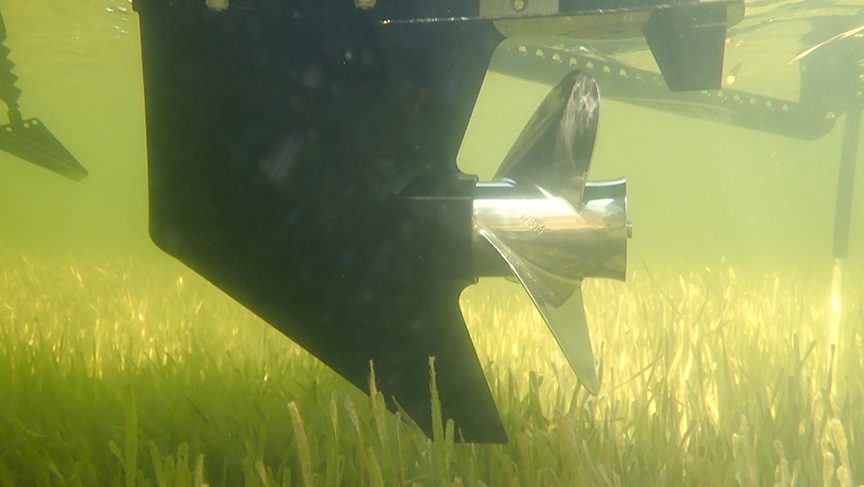
Photo: Conor MacDonnell
https://shorturl.at/YRHnk
The damage from algal blooms is compounded with physical damage that also plagues seagrass meadows. As coastal ecosystems, seagrass meadows contend with a lot of human activity. Boat traffic often rips up the roots of seagrasses, which can be slow to regrow and the bare sediments can erode before the grasses reestablish. Dredging, which is the excavation of sediments from the bottom of bodies of water, is commonly done to make areas more navigable for ships. However, this can rip up or bury large areas of seagrass, and the increased turbidity clouds out necessary sunlight for the grasses to grow. Other human activities like industrial operations or construction on the coast threaten these habitats.
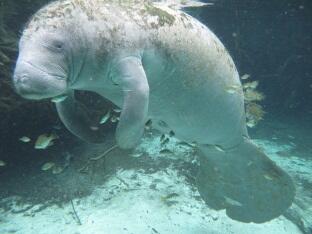
This historical loss of seagrass meadows had also led to the endangerment of marine organisms, particularly marine mammals. For example, manatees and dugongs both rely on seagrass meadows to graze. The loss of habitat for these species has led to starvation and mass mortality events, such as in Florida where around 1,800 manatees died between December 2020-2022. Green Sea Turtles are also threatened by this loss as they rely on seagrass meadows for food and shelter. These large herbivores play a key role, and their decline results in shifts in the food web, and affects the health of coastal waters as a whole.
However, researchers and conservation groups have made progress in understanding how we may be able to protect and restore these habitats. Some methods that have been used to reintroduce seagrasses to damaged areas are transplantation of healthy seagrasses, seeding over large areas, and allowing grasses to recolonize naturally where possible. Many policy changes have also been put in place to support these efforts, including regulation limiting nutrient pollution from farms and industrial waste. Examples of this are the Clean Water Act, which is a federal law put in place in 1972 with the goal of improving water quality, and many states have developed their own regulations to limit nutrient enrichment on their coasts. Other regulations aim to lessen the negative effects of practices like trawling on seagrass beds, and the establishment of Marine Protected Areas help to prevent negative human impacts on larger marine areas.
All of these efforts together have shown positive results. In many areas where water quality has improved, seagrass meadows have begun to rebound, and transplanted communities have been able to reestablish. The story of seagrass meadows, their decline from human impacts, but also their ability to return and persist with proper management, speaks to the power of effective conservation, and should serve as a lesson to scientists, governments, and industry of how vital ecosystems must be protected in the future.