Sargassum mats are floating habitats that create significant structures in the open ocean. These brown algae are kept on the surface by small air bladders, which hold them in suspension. The algae are driven together by wind and currents, forming long lines or thick belts that appear in the form of miniature floating forests. These mats provide structure to other open water areas, just like shipwrecks or artificial reefs on the seafloor. As soon as a structure is formed, a thin layer covering the algae is soon developed by microbes, rendering the surface habitable to the small invertebrates. The algae or the microbial layer gets fed on by crustaceans, snails, and worms, and it starts colonizing at an early stage.
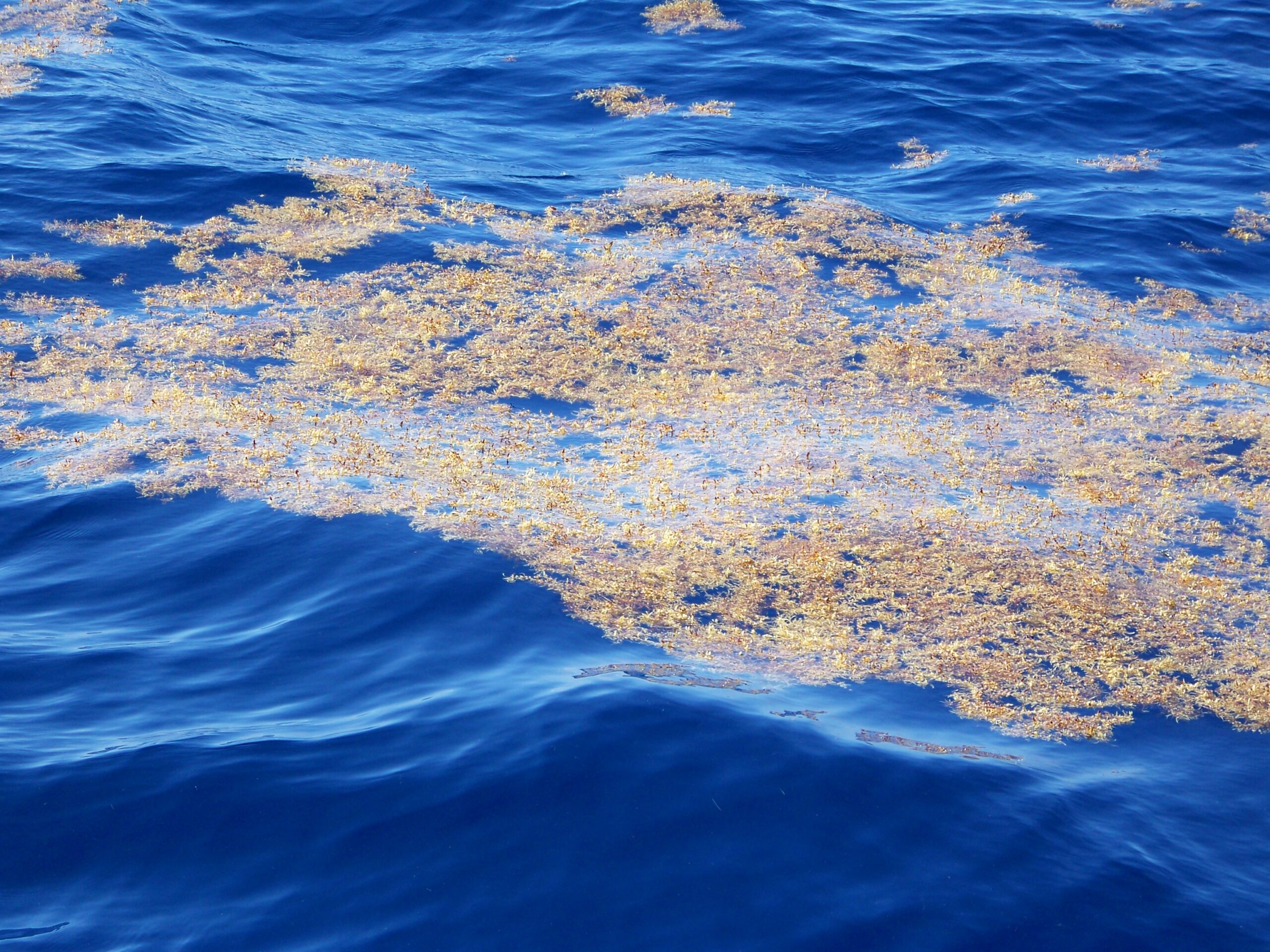
The resulting mats stabilize to become good habitats supporting young fish as the number of organisms increases. The dense fronds provide shelter to juvenile jacks, triggerfish, filefish, and mahi mahi to escape predators (NOAA Ocean Exploration). The mats provide them with shelter and a good source of food, which is significant since young fish in the open ocean lack places to hide. These floating habitats are also relied upon by the sea turtles. The hatchlings that get to the ocean usually find their shelter in Sargassum, where they get rest, protection, and food in the initial stages of their lives. The mats move with the currents, and the turtles can move over a long distance, being concealed.
In addition, fish and turtles allow the creation of entire food webs surrounding the mats. Invertebrates are small and feed on algae. The invertebrates are fed on by the small fish. Big fish like tuna go to the mats to feed on smaller ones, and seabirds capitalize on the action at the surface. All these interactions create the feeding hotspots where the energy flow is directed to the bigger predators through the mats (NASA Earth Observatory). Sargassum fragments over time, and they sink, bringing organic material to the bottom layers where the creatures underneath the surface are sustained. This is a process that links the surface habitat to the deeper ocean.
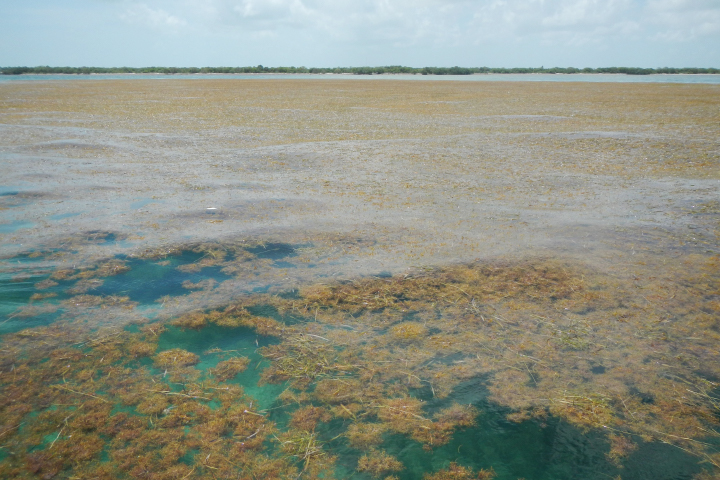
The sargassum mats are also beneficial to people. They sustain fish stocks of fishing value and give scientists an opportunity to examine ocean movement, animal behavior, and changes in the environment. The formation and movement of these mats is also of importance as the changes in temperature and current can influence the stability of these mats and the species that use them. Floating Sargassum provides an effective platform of feeding, shelter, and growth where structure is not easily found.
Work Cited
What is Sargassum?. NOAA Ocean Exploration. (2024, August 21). https://oceanexplorer.noaa.gov/ocean-fact/sargassum/
NASA Earth Observatory. (n.d.). Scientists discover the biggest seaweed bloom in the world. https://www.earthobservatory.nasa.gov/images/145281/scientists-discover-the-biggest-seaweed-bloom-in-the-world