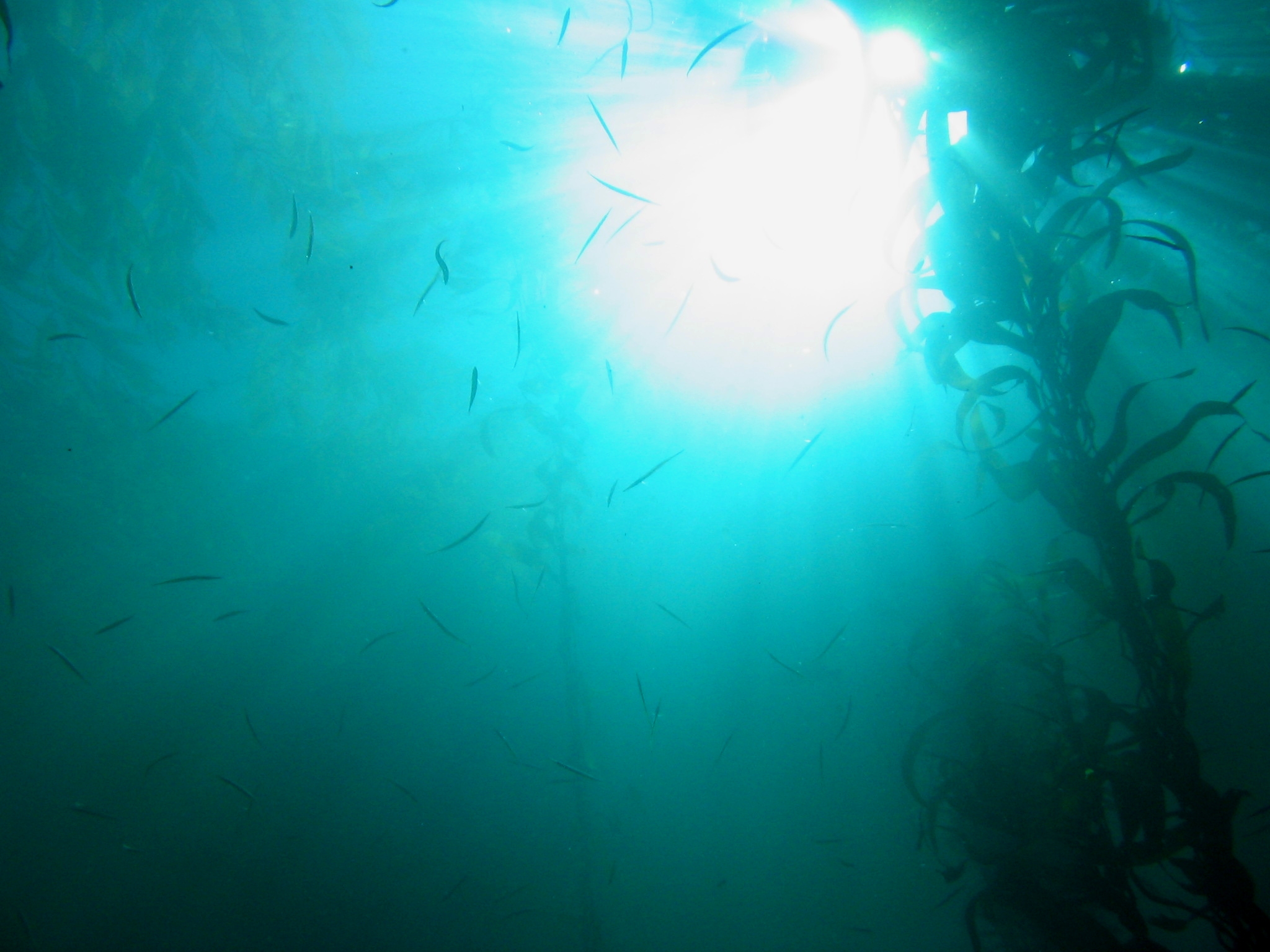
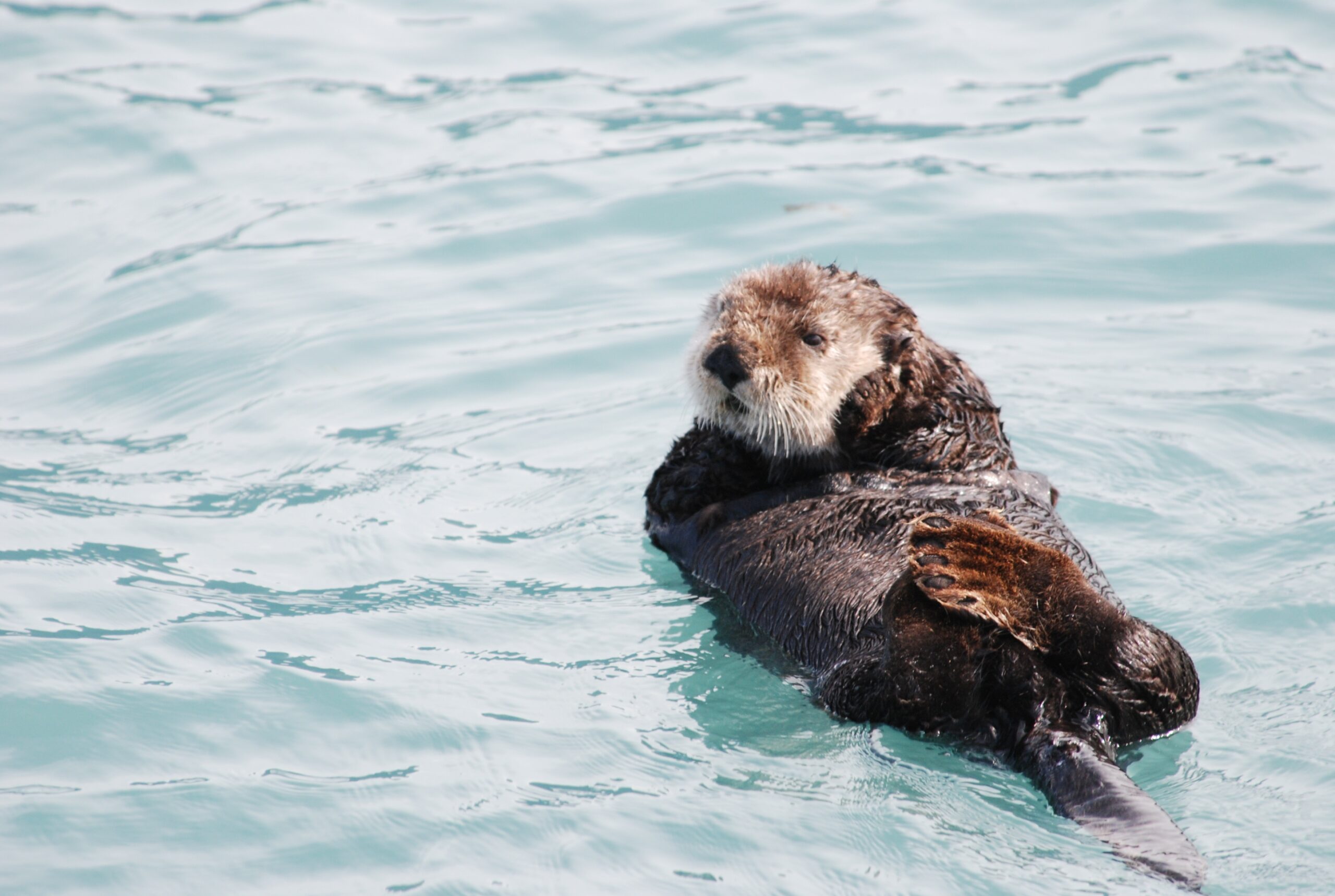
If you were asked to name the most important species in an ocean ecosystem, you might think of sharks, whales, or even coral. But one of the most powerful players in coastal marine environments is surprisingly small, furry, and often floating on its back: the sea otter. Sea otters are what scientists call a keystone species. An organism that has a disproportionately large impact on its environment relative to its abundance. In kelp forest ecosystems, their presence can mean the difference between a thriving underwater forest and a barren seascape.
A keystone species is one that holds an ecosystem together. Even if it is not the most abundant organism, its role is so critical that removing it causes dramatic changes throughout the entire system. According to research summarized by sources like Wikipedia, keystone species help maintain the structure, diversity, and balance of 1ecosystems.
Sea otters love to eat sea urchins. Sea urchins, in turn, feed on kelp. These kelp forests aren’t just plants, they act like the backbone of the ecosystem, providing food and shelter for tons of marine species. When sea otters are around, they keep sea urchin populations under control by eating them. This prevents the urchins from overgrazing the kelp, allowing the forests to grow thick and healthy. When sea otters return to an area, sea urchin populations often drop and kelp forests begin to recover.
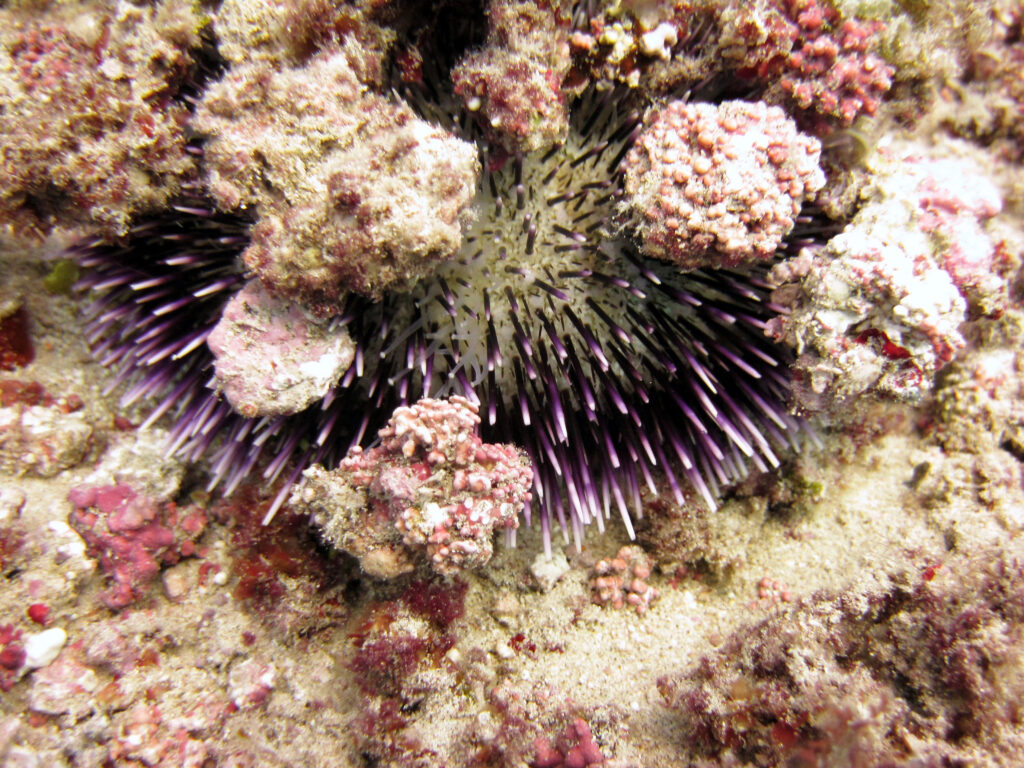
But without sea otters, things quickly fall apart. Sea urchin populations explode and overgraze kelp, creating urchin barren areas with little life left. This happened in the past when sea otters were heavily hunted, leading to the loss of kelp forests in many regions. Kelp forests are incredibly important. They’re often compared to rainforests because of how much life they support. Fish, invertebrates, and even marine mammals rely on kelp for habitat and protection. They support biodiversity, provide shelter for marine organisms, help absorb carbon dioxide, and even protect coastlines. So when sea otters help maintain these ecosystems, they’re indirectly supporting countless other species.
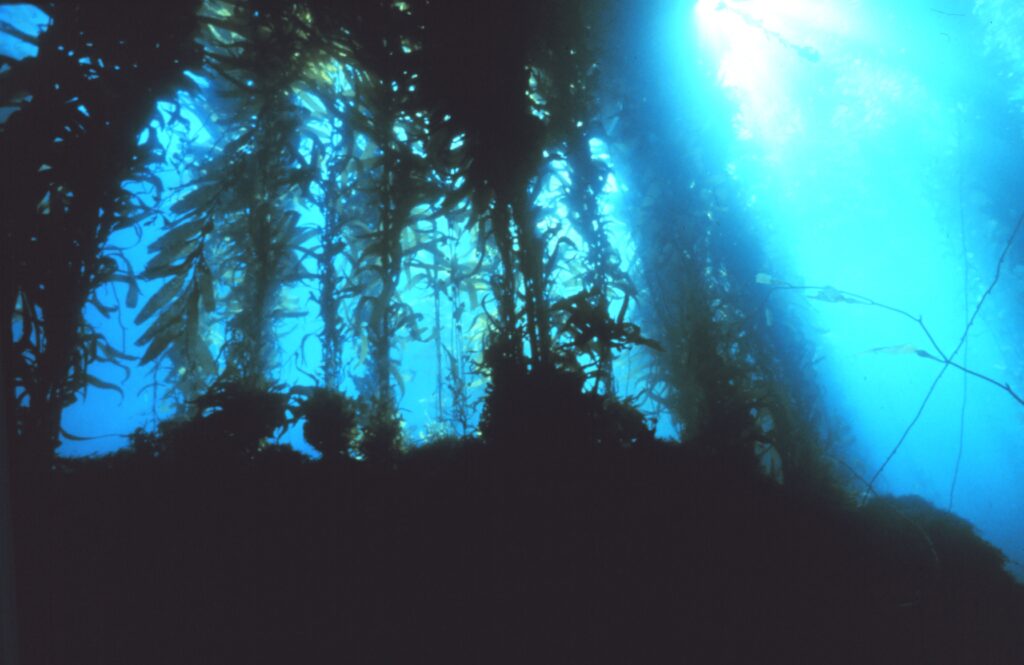
So when kelp forests disappear, it’s not just one species that’s affected, it’s an entire community. The good news is that when sea otters are protected and return to an ecosystem, kelp forests can recover. That said, it’s not always perfectly straightforward. The strength of sea otters’ impact can vary depending on environmental conditions, like water temperature or the presence of other predators. But overall, the pattern is clear: sea otters play a crucial role in maintaining the health of kelp forest ecosystems. This shows just how powerful one species can be. Even though they’re small, sea otters play a huge role in keeping ocean ecosystems healthy and protecting them helps protect the entire underwater world.