Seaweed is not only the fastest-growing food product economically, but is also one of the newest ways studied to remove carbon dioxide emissions from the atmosphere. With seaweed being a new and growing industry in marine agriculture, there are many new studies on the impacts of the growing process and the surrounding environment. This has led to findings of how it removes carbon dioxide from the atmosphere over time, how seaweed can be used in ways to reduce fossil fuel usage, and the negative impacts of using inorganic fertilizers. Seaweed is a fast-growing and important part of the world’s economy, which means it needs to be monitored to remain positive for the environment as it grows.
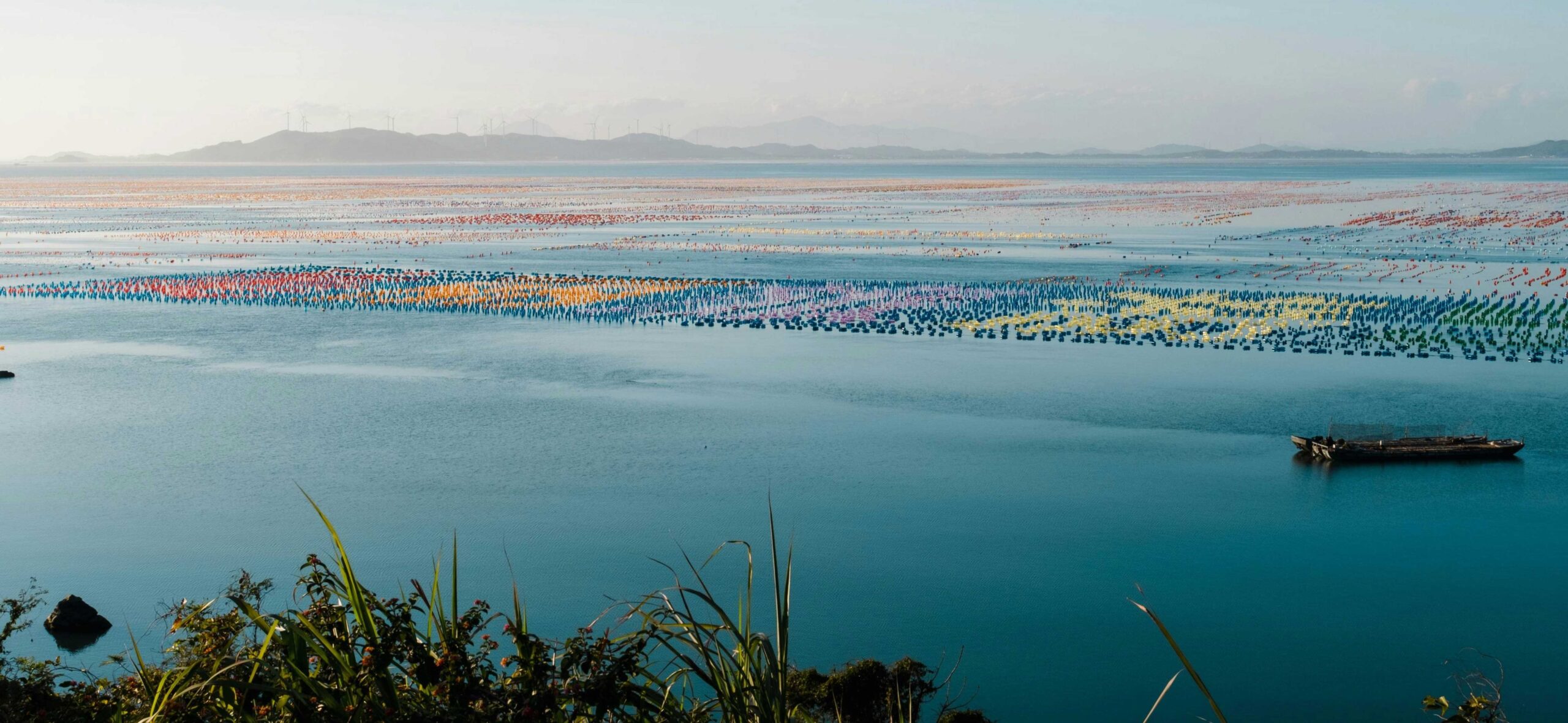
Seaweed removes CO2 from the atmosphere over time on the farms by slowly accumulating it into the sediment. This means that seaweed forms a blue carbon habitat, which means that it is removing CO2 from the atmosphere and reversing climate change. Studies of farms that have existed from 2 to 300 years show that seaweed “buries carbon in the underlying sediments at rates towards the low range of that of Blue Carbon habitats, but increasing with farm age.” This study shows that the farms are more effective at removing CO2 the longer the farms are in use, meaning that as the industry grows and farms expand to more areas, they are able to exponentially decrease carbon over time.
Another benefit of these farms is that seaweed can reduce emissions in other ways, such as improving soil to reduce synthetic fertilizer use and being included in cattle feed to reduce methane emissions. Seaweed can also be used “for biofuel production, with a potential CO2 mitigation capacity, in terms of avoided emissions from fossil fuels.” The uses and extra benefits of seaweed makes it a great way to improve, not only their own ecosystem with the soil, but also the world, by reducing emissions before they even happen, and being a substitute for the current materials. This also gives seaweed a wider economic benefit, which incentivises more farms to be started and expanded, allowing for the industry to continue to grow, which currently is at 7.3% a year.
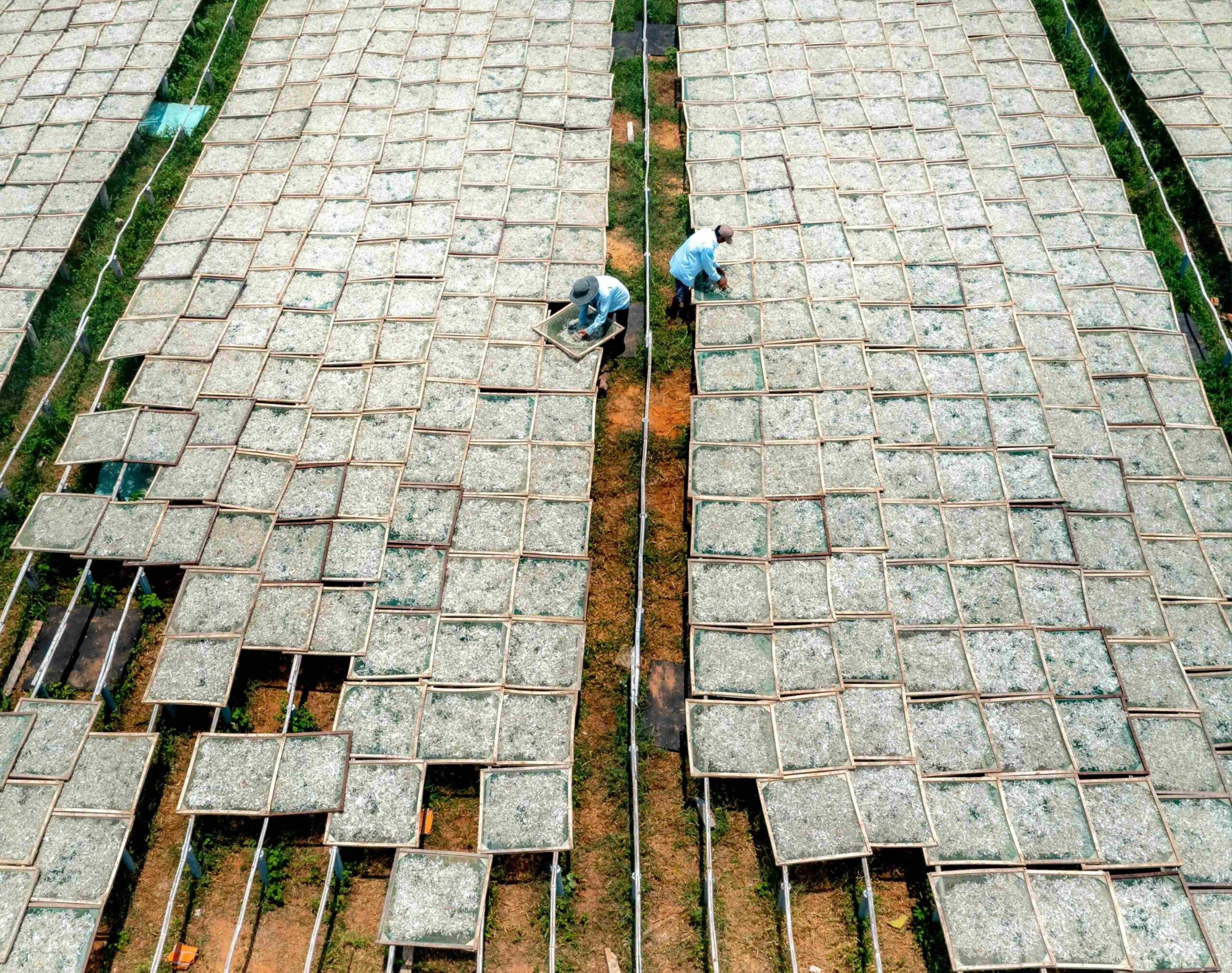
There can also be negative impacts from these farms, with the main issue stemming from inorganic fertilizer use. The main issue by using inorganic fertilizers is that they cause rapid growth, impacting their composition and development. Being given all the resources they need can “compromise the carrageenan yield and rheology, and, more importantly, its organic status.” This practice could be detrimental to the benefits that are given by the seaweed in the first place. Having underdeveloped seaweed can reduce the quality of the seaweed, but it also allows it to survive better and reduce pest risks. The biggest issue in the use of inorganic fertilizers is that if it is used at random, there could be an ecological disaster due to this effect on the seaweed impacting the rest of the ecosystem.
Seaweed farms are one of the most impactful up-and-coming industries that will reduce emissions and remove CO2 from the atmosphere. These farms are able to be economically profitable, and save the environment, and revive their own ecosystems. The main negative is from the use of inorganic fertilizers, which cause rapid growth and could destroy parts of the ecosystem if used recklessly. Overall, seaweed farming is one of the best climate change control industries being developed in our world today.
By John Kurkjian
Sources:
Duarte, C. M., Delgado-Huertas, A., Marti, E., Gasser, B., Martin, I. S., Cousteau, A., Neumeyer, F., Reilly-Cayten, M., Boyce, J., Kuwae, T., Hori, M., Miyajima, T., Price, N. N., Arnold, S., Ricart, A. M., Davis, S., Surugau, N., Abdul, A.-J., Wu, J., … Masque, P. (2025). Carbon burial in sediments below seaweed farms matches that of blue carbon habitats. Nature News. https://www.nature.com/articles/s41558-024-02238-1
Duarte, C. M., Wu, J., Xiao, X., Bruhn, A., & Krause-Jensen, D. (2017). Can seaweed farming play a role in climate change mitigation and adaptation?. Frontiers. https://www.frontiersin.org/journals/marine-science/articles/10.3389/fmars.2017.00100/full
Liuuu_61. (2024). Colorful Seaweed Farms on Tranquil Coastal Waters. Pexels. Retrieved April 10, 2026, from https://www.pexels.com/photo/colorful-seaweed-farms-on-tranquil-coastal-waters-35534343/.
Roleda, M. Y., Tahiluddin, A. B., Neish, I. C., & Critchley, A. T. (2025). Shot in the Foot: Unintended Consequences of Using Inorganic Fertilizer in Commercial Tropical Eucheumatoid Seaweed Farming. Wiley Online Library. https://onlinelibrary.wiley.com/doi/full/10.1111/raq.70019
Vinh, Q. N. (2025). Aerial View of Workers in Seaweed Drying Field. Pexels. Retrieved April 10, 2026, from https://www.pexels.com/photo/aerial-view-of-workers-in-seaweed-drying-field-35105410/.