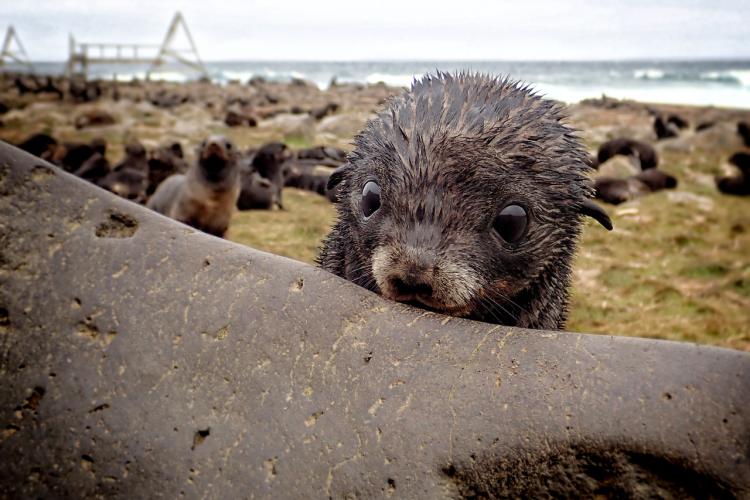
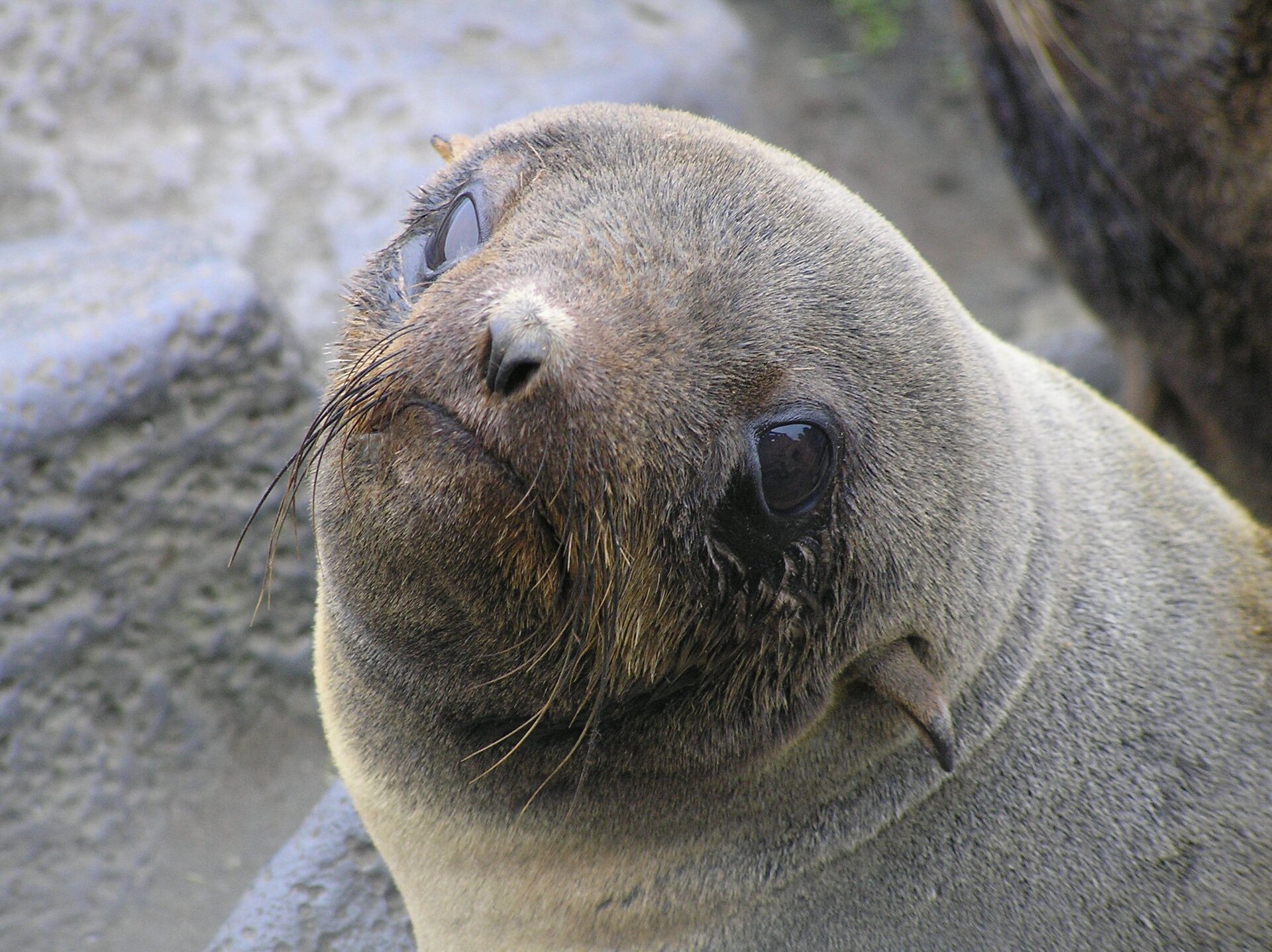
Picture yourself walking around an aquarium, such as Mystic Aquarium in Connecticut. You pass by the beluga whales, walking along the pathway toward the seal exhibit. You look down upon the Harbor Seals, swimming in the water and galumphing on land. However, something else catches your eye. It almost appears to be a sea lion, but that seems unlikely. You are in a seal exhibit, not a sea lion exhibit! So why does the Northern Fur Seal resemble a sea lion? This can be quite confusing at first glance. A key question arises: Is the Northern Fur Seal a seal or a sea lion? Examining the taxonomy, evolutionary history, and similarities between the two can help clarify this question.
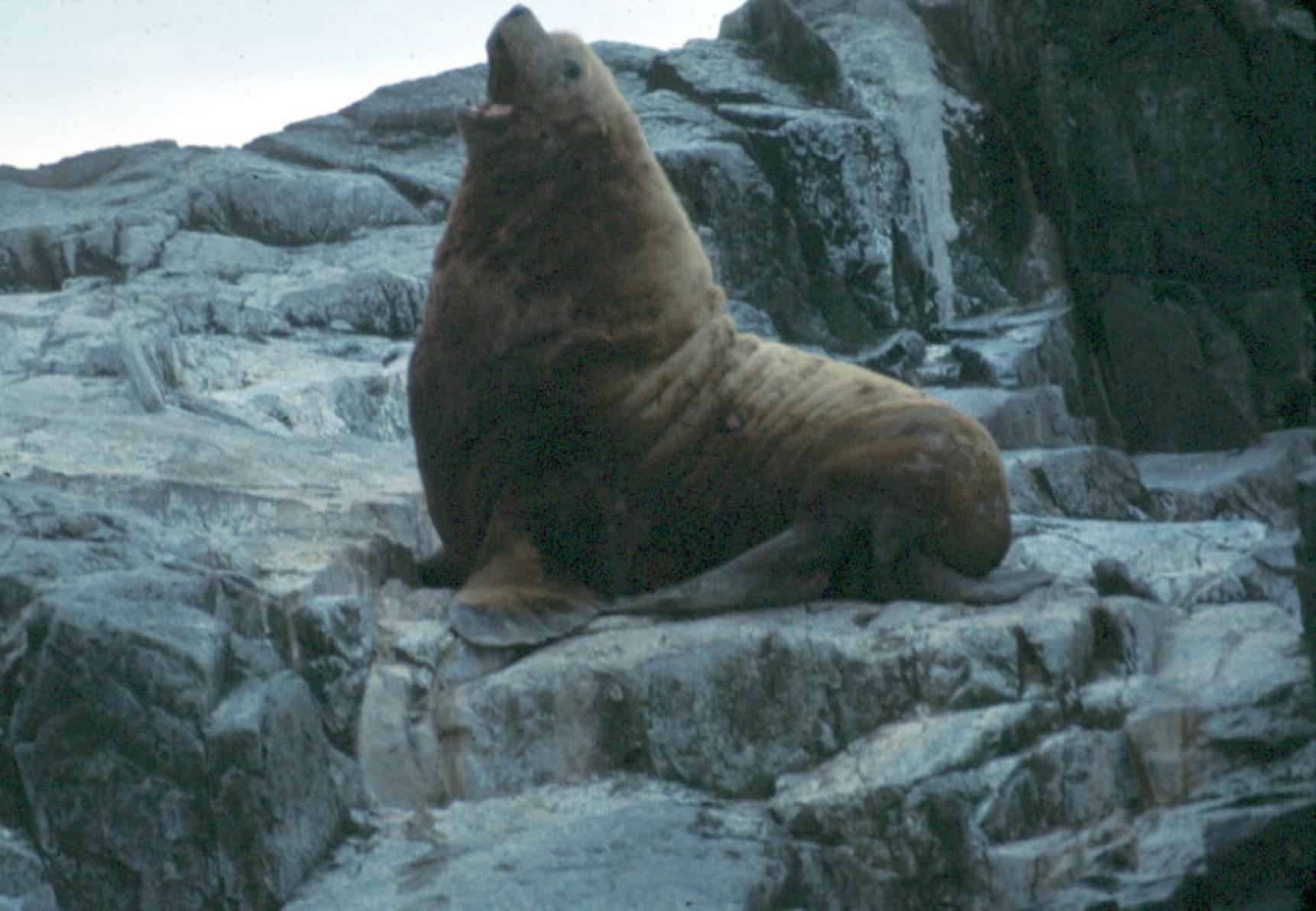
Both seals and sea lions belong to the order Carnivora, within the subgroup known as pinnipeds. Pinnipeds are divided into three distinct families: Otariidae, Odobenidae, and Phocidae. The family Odobenidae includes the walrus. Otariidae is a family of eared seals that includes sea lions. Finally, Phocidae consists of the earless seals, also known as the “true seals.” Phocidae lack external ears, which is a significant difference from Otariidae. Additionally, Phocidae are unable to support themselves using their front flippers, instead resorting to flopping around, a behavior called galumphing. To insulate themselves from cold environments, they also have thick layers of blubber.
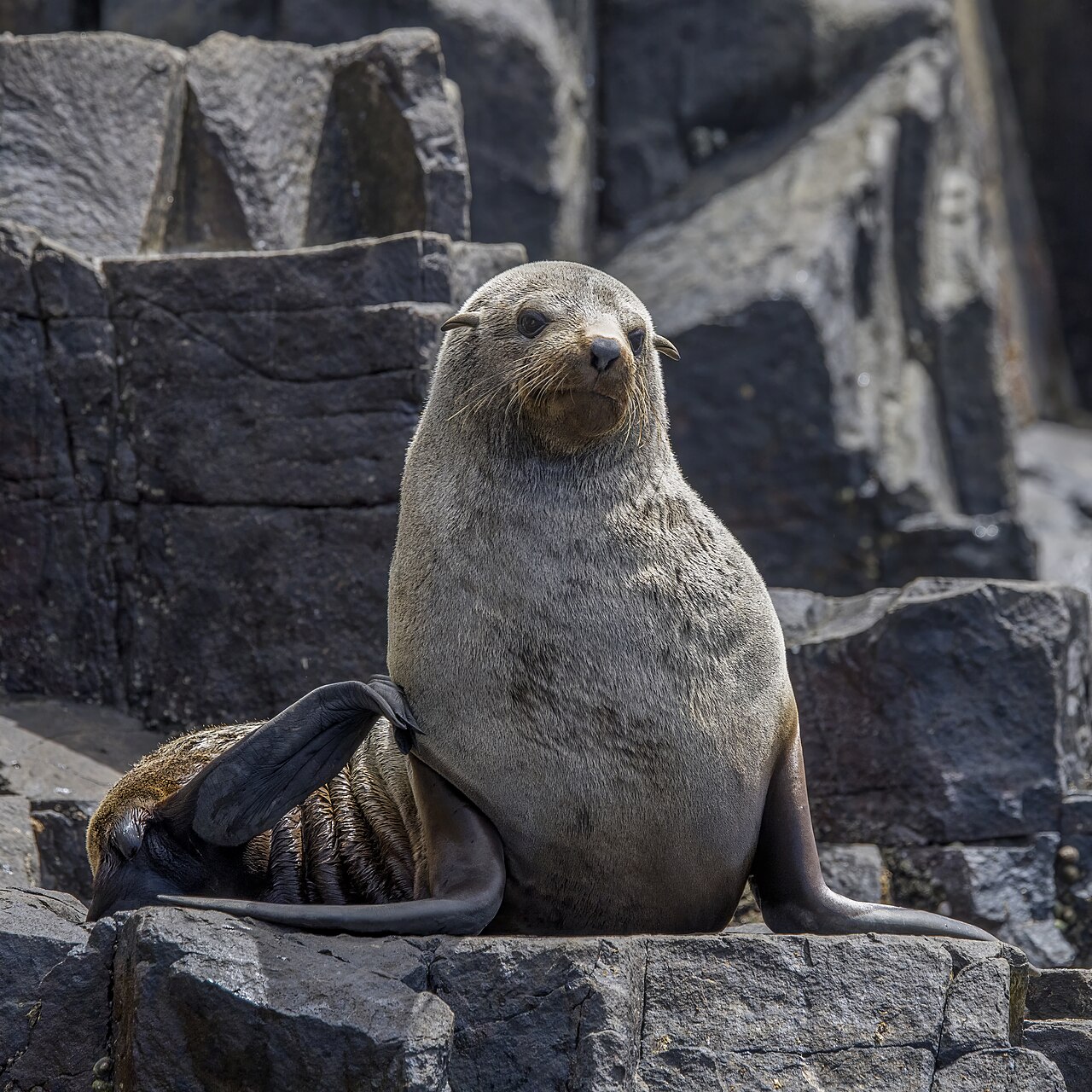
In contrast, Otariidae members have large, modified front flippers. Their strong pectoral muscles enable them to walk on land using all four limbs. Otariids tend to have denser fur compared to true seals and walruses. Unlike Phocidae, they also have a dog-like head, sharp canine teeth, prominent external ears, and they can turn their heads.
Looking at the Northern Fur Seal, it exhibits all of the key features characteristic of Otariidae: a dog-like head, strong front flippers, and dense fur. But why does its common name include the word “seal”? The simple answer is they are not true seals. Based on taxonomy, the Northern Fur Seal belongs to the family Otariidae. They are actually more closely related to sea lions than to true seals. What sets fur seals apart from sea lions, however, is their dense fur coat. Fur seals have some of the densest fur of any marine mammal, which is about 300,000 hairs per square inch.
There are several species of fur seals, not just the Northern Fur Seal. In fact, nine extant (living) species fall within the subfamily Arctocephalinae. So why are they called fur seals? The answer is quite straightforward. When fur seals were first discovered, scientists believed that seals and sea lions belonged to a single family. Later, they were taxonomically separated into different groups. However, the common name “fur seal” persisted—despite evidence from genetic studies showing that fur seals are more closely related to sea lions than to true seals.
The Northern Fur Seal is the only species within the genus Callorhinus. The two genera of fur seals are Callorhinus (Northern Hemisphere) and Arctocephalus (Southern Hemisphere). They are distinguished primarily by their geographic distribution. Overall, fur seals are called so because, although they are genetically similar to sea lions, they are distinct from both sea lions and true seals.
My key takeaway? Common names can sometimes be misleading!
