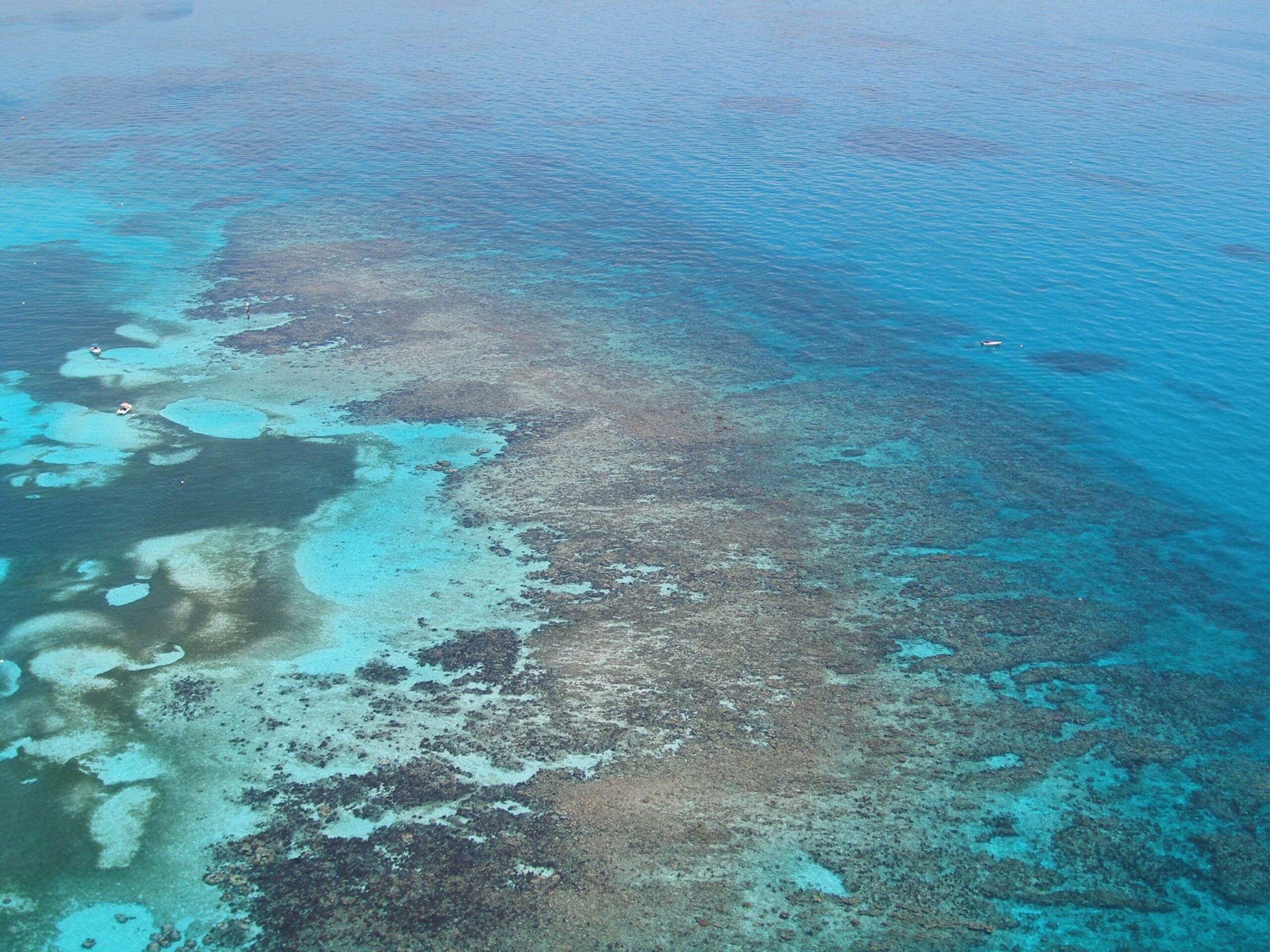
Coral reefs are a crucial oceanic ecosystem, providing a home to approximately 25% of all marine species, while occupying less than 0.1% of ocean area. These sensitive ecosystems are under extreme threat due to anthropogenic climate change. Shallow tropical coral reefs have declined by 50% since 1950 mainly due to ocean acidification caused by warming ocean temperatures, and leading to coral reef bleaching. Coral reef bleaching occurs when the coral polyps become stressed and expel the algae inside them, which gives them their color. This algae is crucial for the coral’s survival and proper function; however, if environmental conditions improve, corals may begin taking up algae again and recover.
Many efforts are underway to restore and protect these important ecosystems. One restoration strategy includes growing corals in nurseries by creating “Coral Trees” in the ocean and then reintroducing them to carefully selected reef sites in the wild when they are healthy enough to survive on their own (after two years of monitoring). Since 2017, a group called Coral Gardeners has planted 221,212 corals, with an 80% survival rate. The progress of these sites is then monitored by photomosaics, meaning an image is generated by thousands of smaller images combined into one. These allow changes in coral coverage to be monitored over time without having to continually revisit the site and potentially cause disturbances.
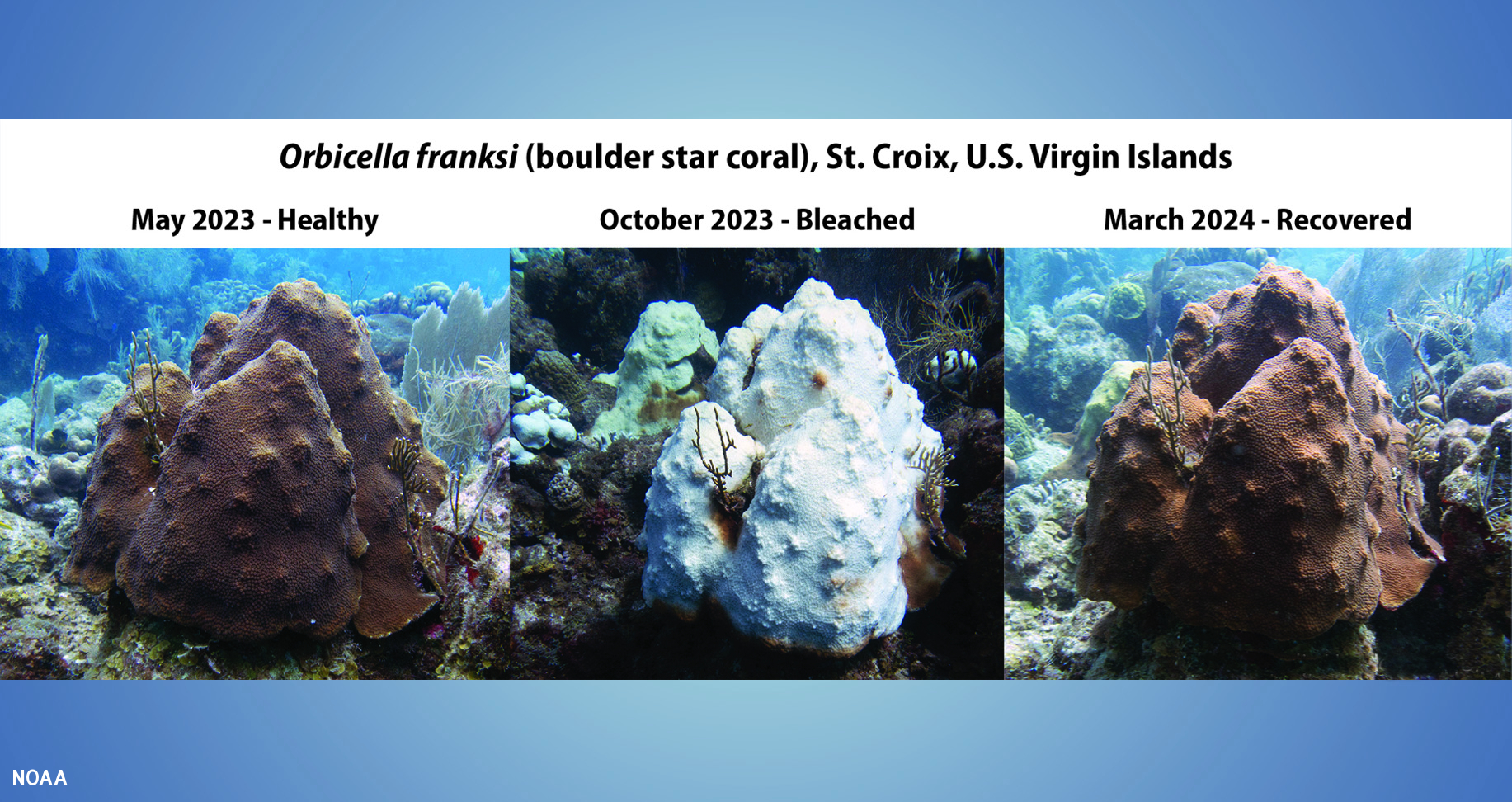
Although there have been successful restoration efforts, the best thing for the future of these corals would be to reduce ocean acidification. Since the ocean acts as a carbon sink and 31% of carbon dioxide emissions, the ocean absorbs most of the heat from global warming. This increase in emissions and heat leads to ocean acidification and coral bleaching. Reducing carbon emissions is the best way to ensure that coral restoration is successful and coral reefs, along with half of the Earth’s oxygen supply, is protected.