Picture a shark right now. Most picture a Great White, a Hammerhead, maybe a Whale shark if they feel adventurous. How many of you pictured a Pajama catshark? What about a Puffadder shyshark? I am willing to bet that very few people if any know of these sharks and that is due to the fact that they are endemic to South Africa,
Endemic refers to a species that is only present and confined in one region. In this case, there are about 70 species of sharks and rays that are endemic to South Africa. Some of these species include the Striped Catshark, Leopard Catshark, Puffadder Shyshark and Dark Shyshark. The lifestyles of these sharks ten to be very relaxed. They are benthic, meaning they live on the bottom of the seafloor. Their diet consists of invertebrates and small fish and they are not aggressive towards humans.
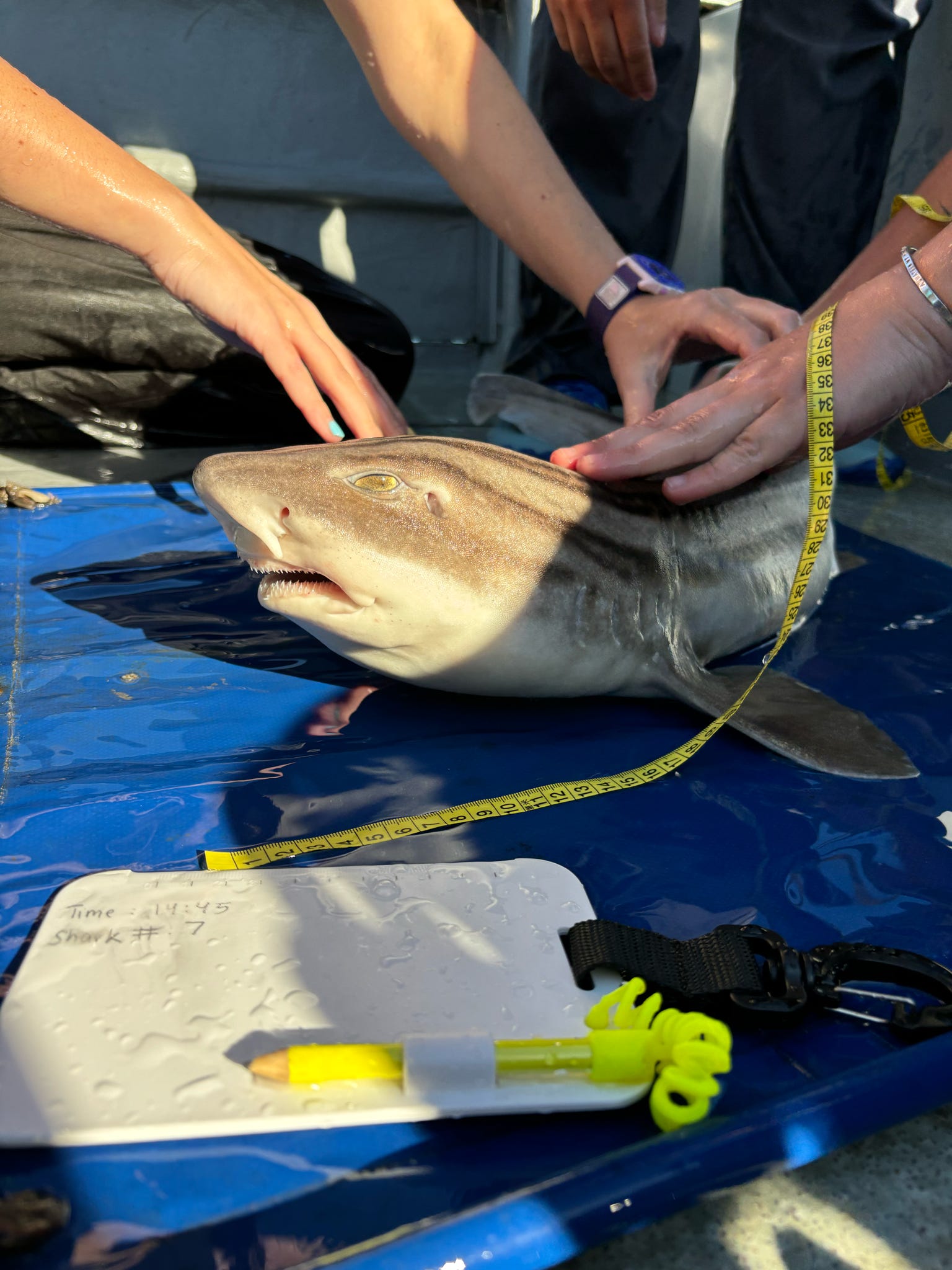
There are a wide array of issues harming the endemic shark species such as overfishing, climate change, bycatch, habitat destruction, and poor enforcement on regulations. Overfishing leads to the populations being fished faster than they can be replaced and this does not just mean the sharks themselves but also the fish they feed on. Climate change harms the population by also contributing to the loss of their habitats by warming waters which cause them to migrate to cooler waters. The primary fishing method in South Africa is bottom trawling which is when a weighted net is dragged across the bottom of the seafloor to catch bottom dwelling species. Not only is this method incredible damaging to the ocean floor but it also has very high levels of bycatch. Fishermen are instructed to throw the bycatch back into the ocean, especially the endemic species which are endangered such as the Puffadder Shyshark. The issues are bad enough on their own but are made much worse by poor enforcement on the regulations that are put in place to protect these animals.
There is only one boat allowed to catch certain sharks in South African waters: the Zanette. In June of 2025, Enrico Gennari, a shark conservation marine biologist, set out with his interns and caught the boat participating in illegal practices such as not deploying their tori lines which prevent seabirds from getting caught on hooks as well as not landing sharks with both head and fins attached. Gennari and the interns observed something truly horrifying: bins filled with shark heads and fins aboard the boat. Gennari brought his concerns and his proof to the Department of Forestry, Fisheries and the Environment which charged the skipper, Marius Verwey, with the unlawful landing of sharks without heads. He was given a fine of 2500 rand which amounts to about $145.

It is a very frustrating situation. Sharks being harmed and there is proof of it yet the government agency in charge of protecting these species thinks a small fine is enough to deter the criminals from doing it again. It begs the question: what can be done?
First, ensure that you are supporting companies which participate in legal fishing and do their best to fish sustainably. Second, support NGOs such as the South Africa Shark Conservancy or Sharklife Conservation Group. Third, advocate! Advocating for research, for sustainability, for education and especially for government agencies to enforce the regulations that are put in place to protect these animals. As scientists, students and inhabitants of Earth, it is our duty to protect our oceans and advocate for animals that cannot advocate for themselves.