Many animals are injured each year and while some of these injuries are caused by humans, humans are also here to rescue these animals and allow them a second chance at life. Though wildlife encounters can feel like a dream, these important interactions can also present wildlife in need of help. Although some may want to intervene, it is best to contact trained professionals. This ensures that the individual receives proper care from trained professionals on a wildlife response team. Wildlife rescue and rehabilitation is a careful process that ensures the best outcome for the wildlife. To better understand this process, it is important to first consider how these situations arise in the wild.
Seeing animals in the wild can be beautiful; however, some wildlife may be in distress. The individual could be sick, injured, entangled in debris or even dead. When seeing an animal in distress, many people may want to intervene immediately, but that is not always what is best for the situation. Reporting wildlife to trained professionals is the best option so that they can take care of the situation properly. A team of both volunteers and staff is dispatched as quickly as possible when animals are reported to a hotline or rescue facility. After assessing the situation, they will determine what is best for the individual – whether that is being rescued or staying where they are. Once a situation has been reported, the next step involves determining how the rescue will be carried out.
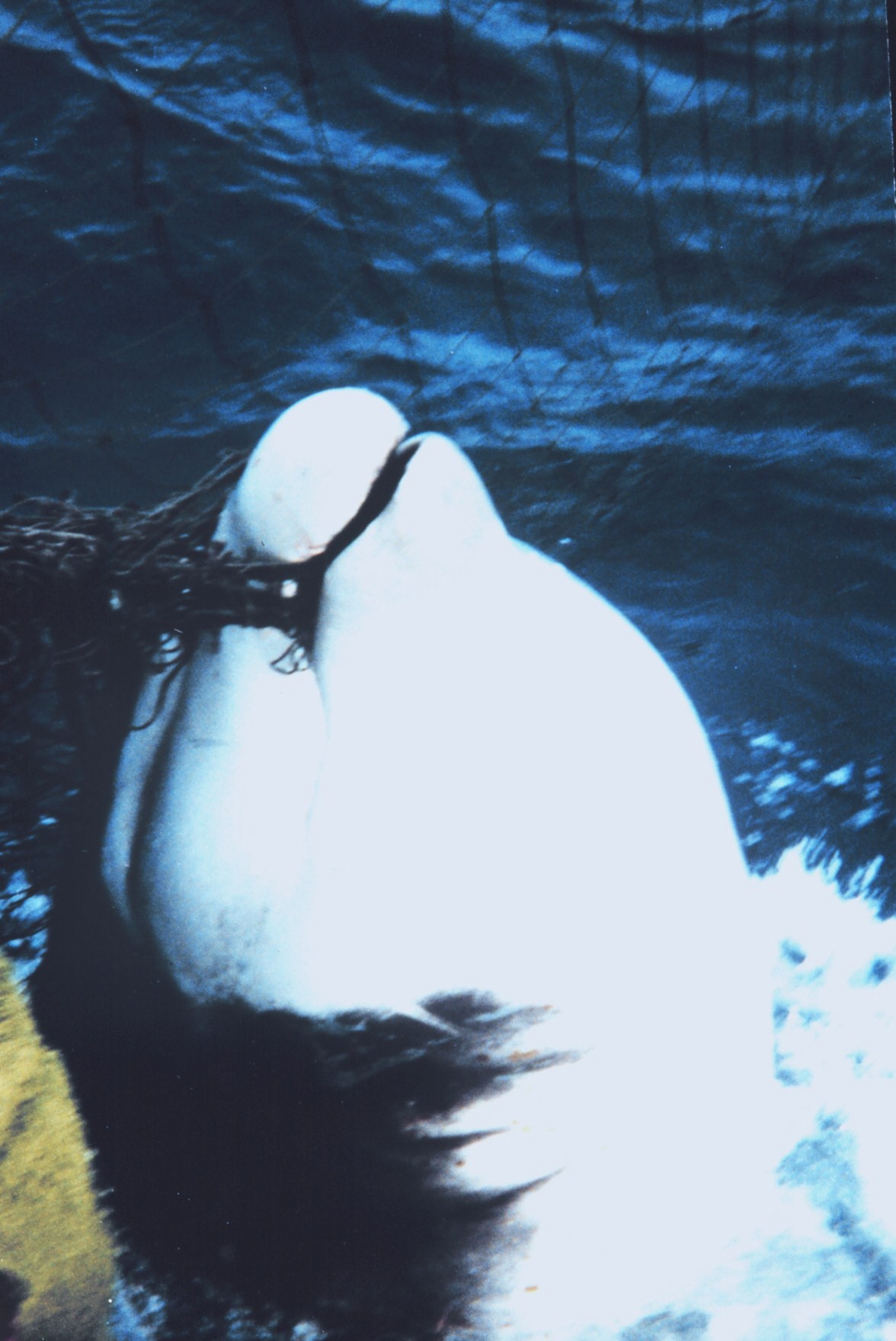
A marine mammal entangled in what appears to be a fishing net (Credit: NOAA).
Each rescue is different and thus each situation requires different techniques. Teams trying to rescue an animal must effectively plan what is best for the individual and communicate what needs to be done as it is happening. In order to successfully carry out these plans, trained professionals must rely on medical expertise.
Many rescue teams will send a veterinarian to the rescue site to assess the health of the animal. They can remove entanglements or treat injuries. Some individuals may be released at the scene of the rescue. Others may need to be relocated for further veterinary care. The National Oceanic and Atmospheric Administration (NOAA) generally requires that animals be released back into the wild within six months, with some exceptions. However, not all individuals can meet the conditions for release.
Certain animals are deemed unreleasable after being assessed by the care team. These assessments are done as soon as possible when the individual is brought into captivity as the goal is always to release an animal. Wildlife can be deemed unreleasable due to age, behavioral, ecological, or medical reasons that would prevent them from surviving in the wild. Examples include individuals that are blind, too young, or orphaned and who require maternal care. For those that are able to recover, the final stage of rehabilitation is being released back into the wild.
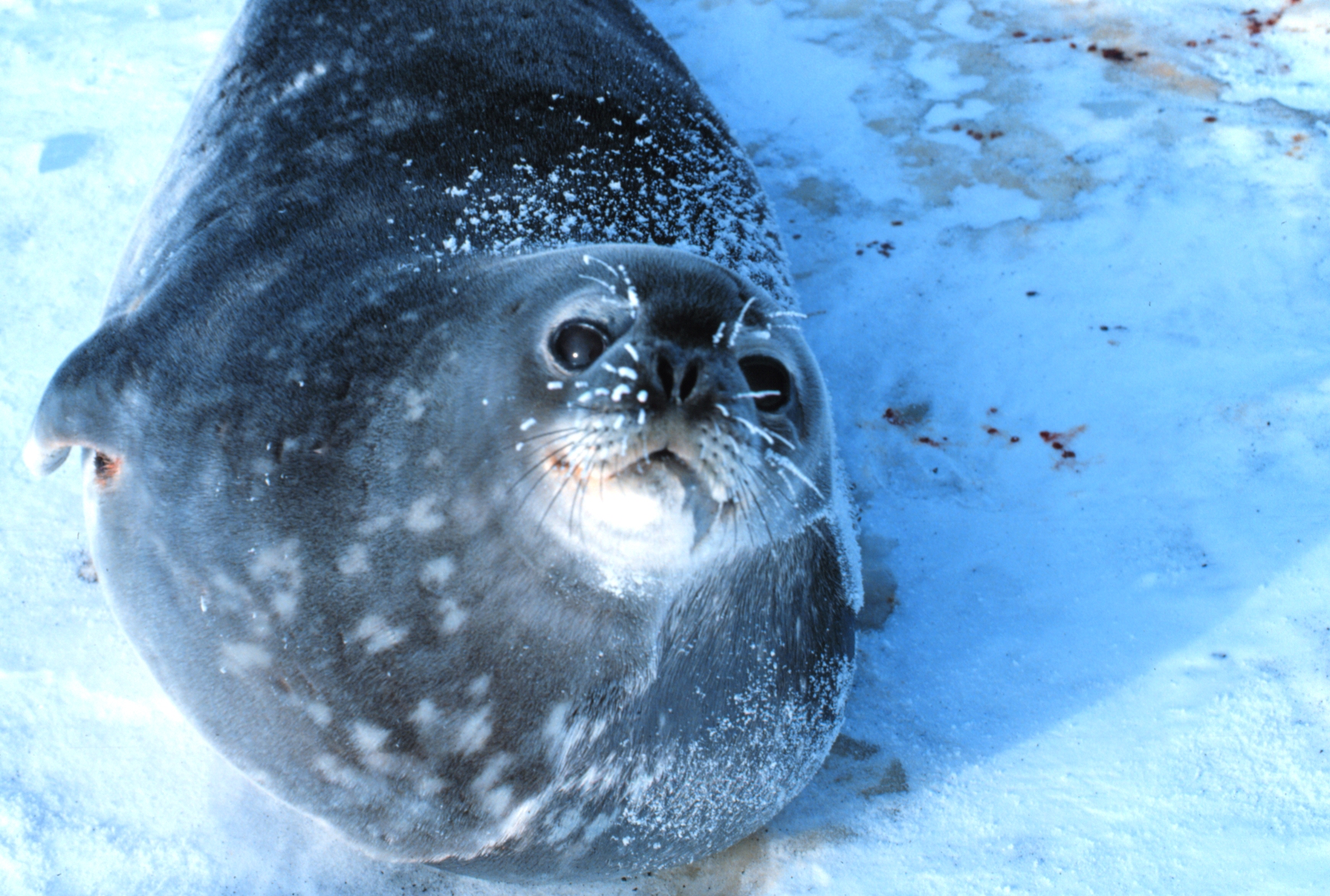
Commander John Bortniak, A Weddell Seal dusted with snow sitting on the ice looking up at the camera (Credit: NOAA).
When it comes to releasing animals, they are returned to their original location whenever it is safe to do so. This gives them the best opportunity for survival. When young wildlife is being released, they are tested to confirm that they have the proper skills to ensure they can survive in the wild. Once the animal’s treatments are completed and the animal has proven it can survive in the wild, it can be released. Being released into the wild gives the animals a second chance at life. Overall, this entire process highlights the complexity and importance of wildlife rescue efforts.
Wildlife rescue is a complicated process that prioritizes the health, safety, and survival of the animal. It starts with the initial report and assessment which leads to treatment and hopefully release. All the steps require coordination, teamwork, and communication. Unfortunately, not all individuals are able to be released back into the wild. Despite this, the ultimate goal is always to give the animal the best life it can have based on its condition and circumstances.
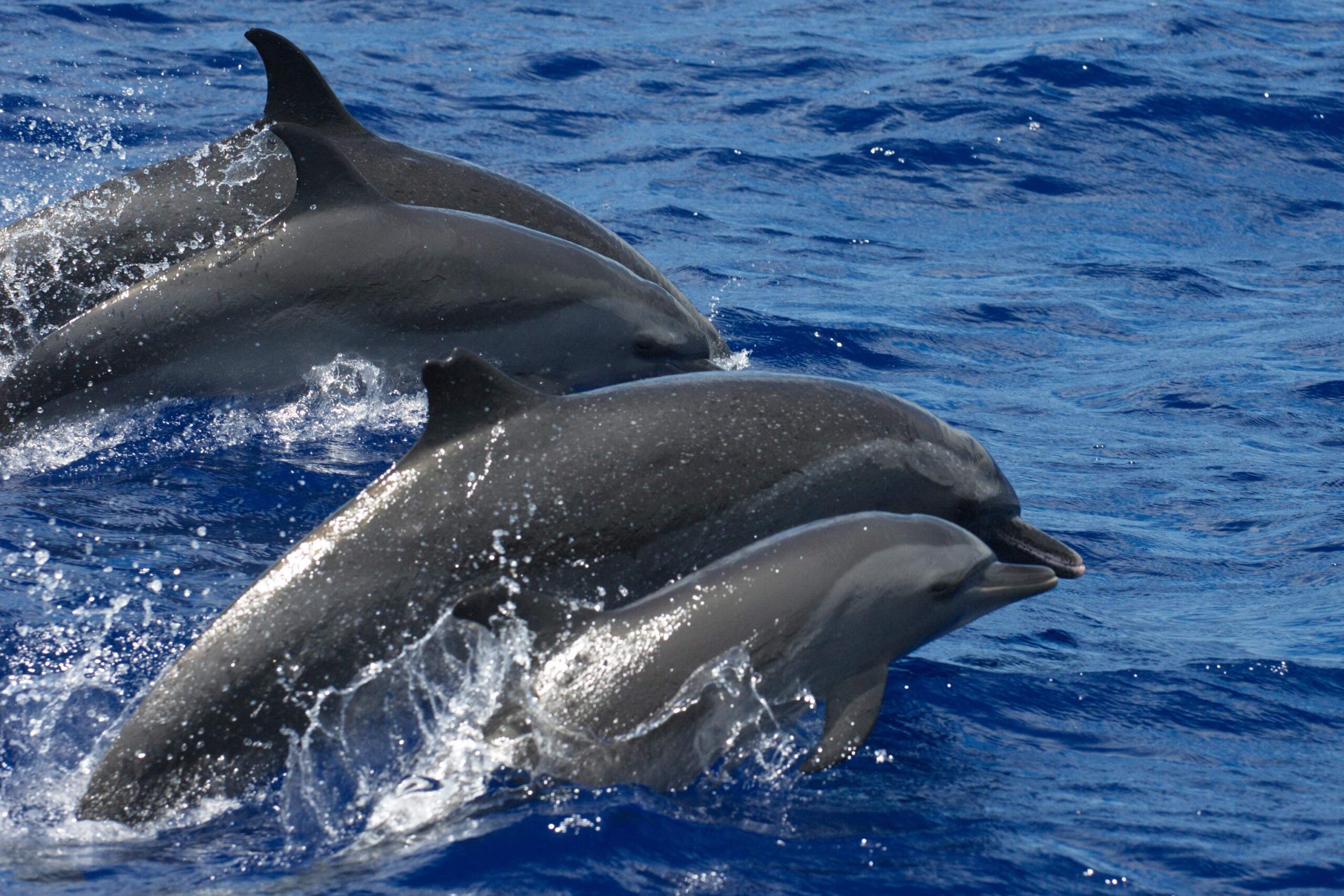
Pacific Islands Fisheries Science Center Blog 2015 08 21, Two spotted dolphins breaching the surface of the ocean. One of the dolphins is missing the top part of its dorsal fin (Credit: NOAA).