What is ocean acidification? Ocean acidification is one of the many side effects of climate change which has been a problem since the start of the Industrial Revolution. The acidification is caused by the increase of carbon dioxide released into the atmosphere. This release has led to a significant decrease in pH on the ocean’s surface- which means an increase in acidity.
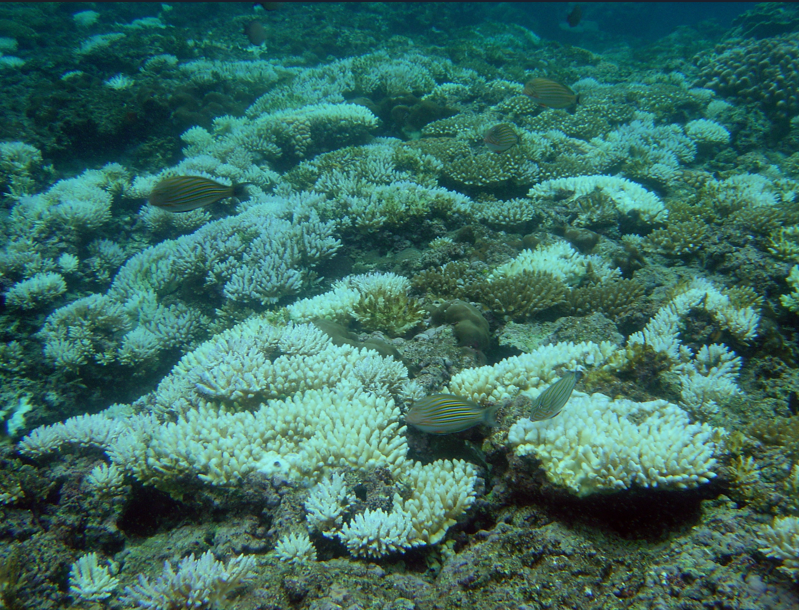
The acidification of the waters is incredibly unfortunate for the ocean’s carbonate using species- such as coral and oysters. This is because the carbonate (CO3^2-) they use to create their shells bonds with the extra hydrogen from the acidification which results in bicarbonate, not the needed carbonate for shell and skeleton development. So the acidification of the water does not directly bleach the corals, the damage is done through the reduced calcification. The more acidic the ocean gets, the lower the pH and worse the conditions get. These worsening conditions can eventually lead to the dissolving of shells and skeletons.
Acidification Effect on the American Lobster
The Homarus americanus or more commonly known as the American Lobster is a species presenting negative effects from ocean acidification. This shell building species is a highly valued delicacy, especially in New England where it is often featured as a seafood special in many high end restaurants.
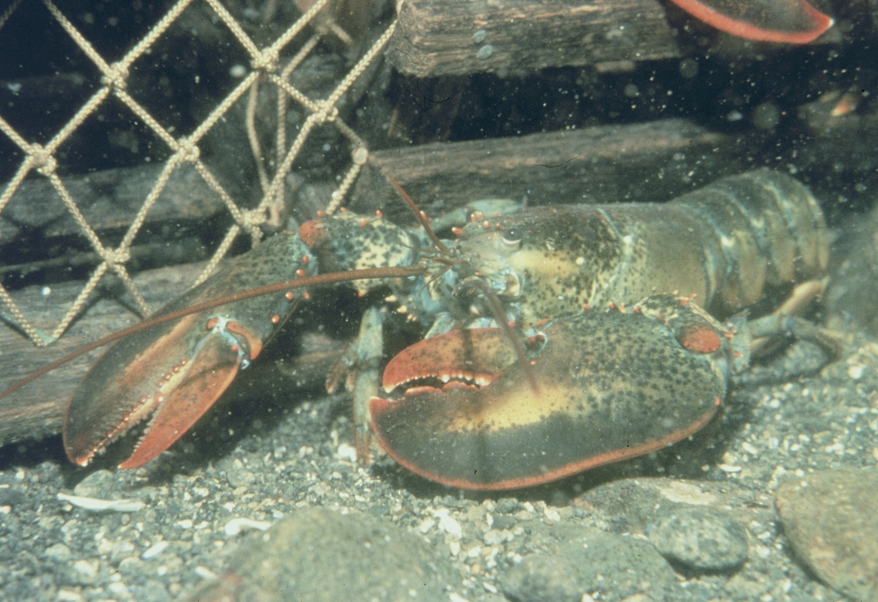
The warming of waters leads to genetic stressors, such as causing the deformation of its shells. With some lobsters already having deformed shells, the reduction of carbonate ions caused by acidification makes the conditions of the shells even worse.
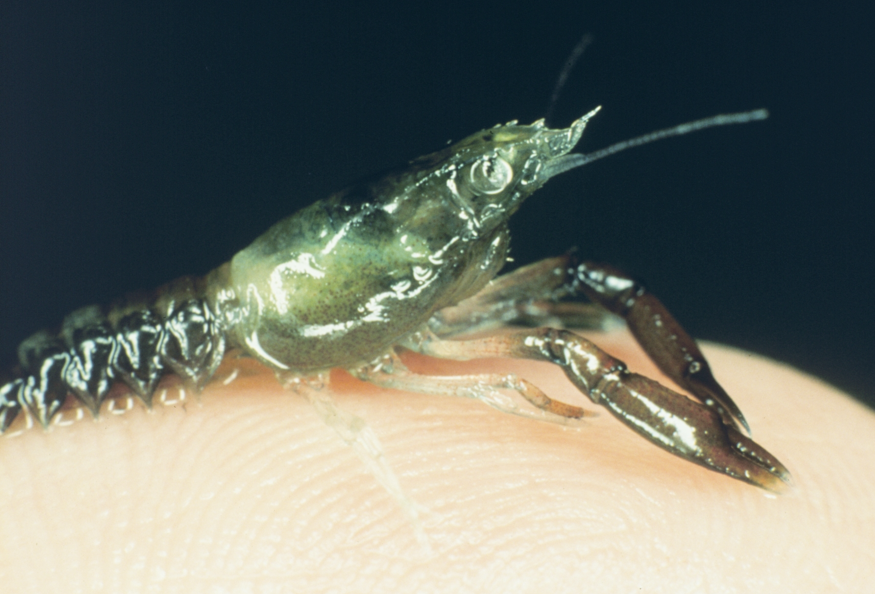
The thinner shells are not only affecting juveniles, when mature lobsters molt their shells, the decreased amount of carbonate ions available makes it harder for the building of their new shell.
With the loss of sturdy shell, lobsters are left vulnerable to predators. This allows them to be eaten and lowers survival rates. In an attempt to survive, the American Lobster will start to migrate towards more stable waters. This is detrimental for ecosystems as it results in a loss of secondary consumers, as well as for fisheries who depend on this species.
Ocean acidification is a significant consequence of climate change. The reduced availability of carbonate ions needed for shell formation is a detrimental side affect that will harm and eventually eliminate species. As these effects continue to grow with climate change becoming more aggressive, ecosystems and fisheries will be driven into dangerous conditions.