An in-depth look into the life of an Octopus
8 arms, 3 hearts, blue blood, and one of the most complex nervous systems in the animal kingdom. Most people have probably seen or at least heard of one of the ocean’s coolest and most complex critters, the octopus. But what is it really like for these creatures in their day-to-day life?
Found in every ocean on the Earth, octopi are some of the most adaptable creatures in the world. Belonging to the phylum Mollusca, octopi are most closely related to their cephalopod companions, squid and cuttlefish. This category of animal is classified by their lack of bones, bilaterally symmetric bodies, beaked mouths, and complex nervous systems, which include the octopus’s multiple brains. There are 300 known species of octopus worldwide, with likely more to be discovered in abyssal (deep-sea) habitats. From intertidal all the way to the deep sea, octopi have found ways to adapt and survive. The size of different species of octopi greatly depends on the habitat or niche that they inhabit. The largest species of octopus is the Giant Pacific Octopus, which can have a wingspan of over 9m and can weigh in at around 71 kg. Whereas the smallest species of octopus, the Octopus Wolfi, is recorded to cover a wingspan of just 2.5 centimeters and weigh in at less than 1 gram! The different species of octopus all possess similar body structure and will use that body, along with their smarts, to navigate and survive.
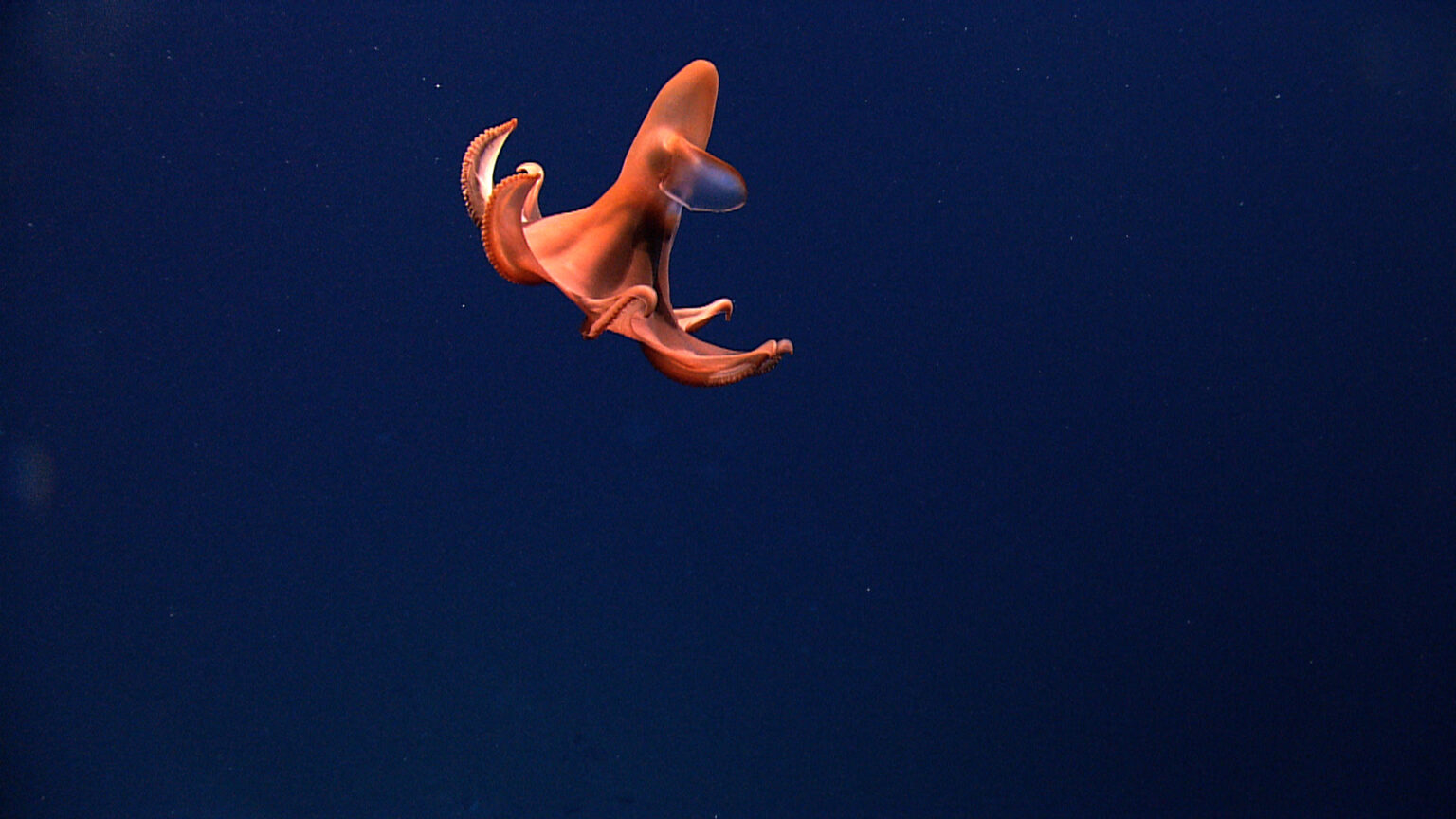
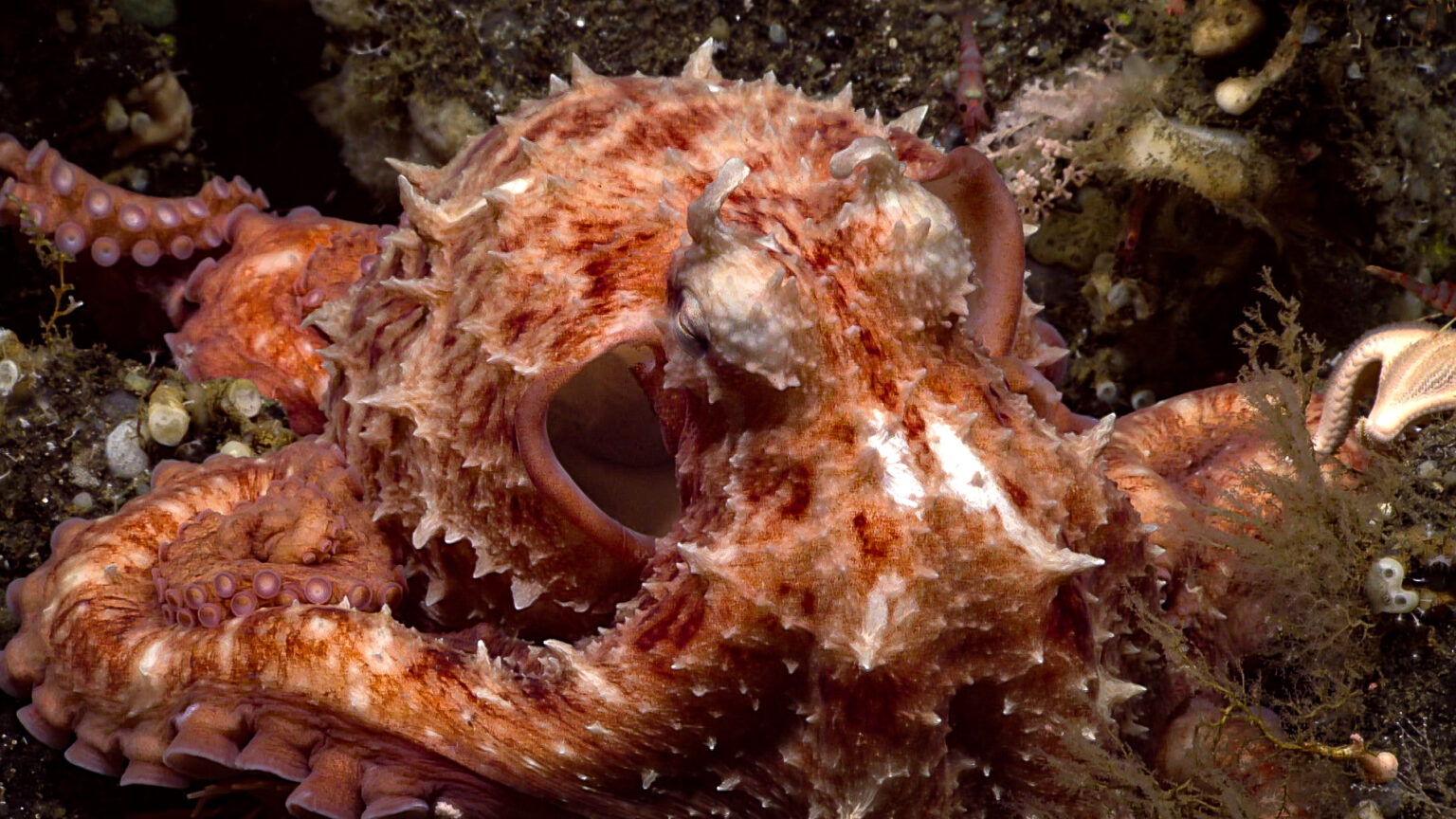
Octopi are bilaterally symmetrical, meaning that if an invisible sheet separated an octopus in half, each of those halves would be identical. They possess two eyes, 8 suction cup-lined arms, and a beaked mouth responsible for chewing up different prey items. Octopi come in all sorts of different colors, some even containing extremely poisonous compounds like the skin of the Blue Ringed Octopus found in Australia. The skin of these creatures is soft, and their bodies are squishy due to their lack of bones (except the hard beak mouthpiece mentioned earlier). This skin, called the epididymis, has an incredible ability to change color and texture in the blink of an eye, thanks to specialized cells called chromatophores. Controlled by the nervous system, the octopus can basically see its environment through both its eyes and skin. This allows the octopus to spontaneously match its surroundings and demonstrate some of the most sophisticated examples of camouflage in the animal kingdom.
Octopi have 8 arms that are extremely muscular. They use these arms to navigate their environment, prey on their food, and even fight off attackers or other octopi. Each of these arms even has the capability to individually respond to stimuli in their environment, which is why octopuses are sometimes said to have more than one brain. Along with their arms, octopuses utilize a cyphon to propel their bodies through the water column. Octopuses exhibit excellent body control and are extremely flexible. This allows them, with the help of their cyphon and arms, to zip, crawl, squeeze, and wedge themselves into just about anywhere they want to be.
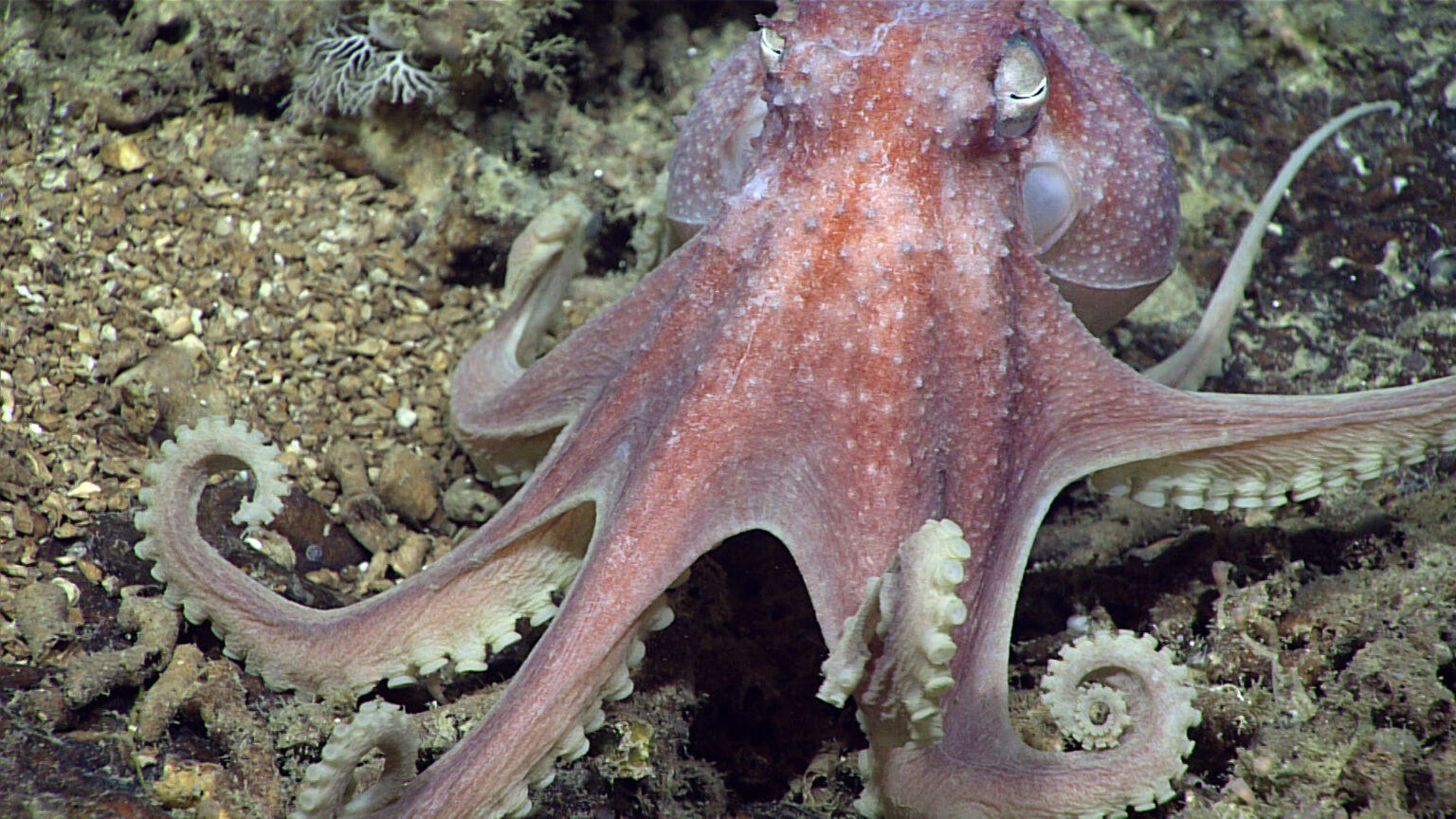
An octopus’s nervous system, containing the brain, is one of the most complex among all molluscs. Octopi can have over 500 million neurons, which are mainly located in the central brain and the 8 arms of the organism. They use their two camera-like eyes to survey their environment; however, octopi are acutely collor blind, which makes their ability to perfectly replicate their surroundings even more astonishing. Octopuses are equipped with another incredible ability. They use their arms almost like an external mouth and can actually taste their surroundings. Using another specialized cell called chemoreceptors, an octopus can identify different variables within their environment just by touching them. This incredible nervous system allows the octopus to explore, hunt, and even play in their environment.
An octopus’s life cycle starts with a larval stage where a planktonic octopus rides the currents and feeds on shrimp and other planktonic prey. Eventually, the larva settles on the ocean floor, ready to begin its adult octopus life. Octopus maturation is on many factors (some biotic, others abiotic) such as light, temperature, and overall nutrition of the organism. Once mature, one male and one female octopus will mate. This will conclude the lifecycle of these fascinating organisms for unknown reasons. In some species, the female octopus actually displays an intense parenting phase where she will literally starve herself while guarding her unborn eggs. Once the eggs hatch, the life cycle of the octopus begins again.
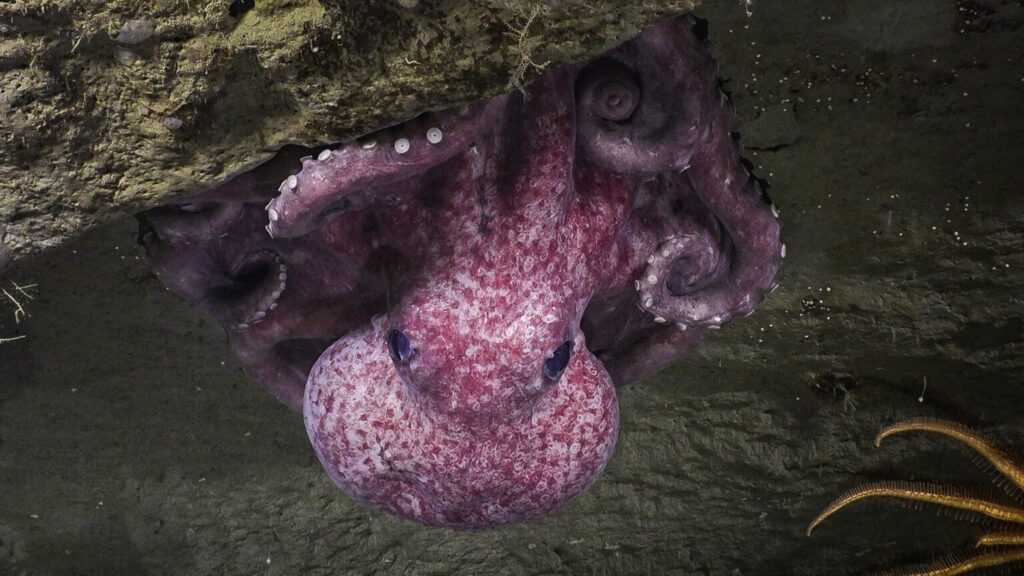
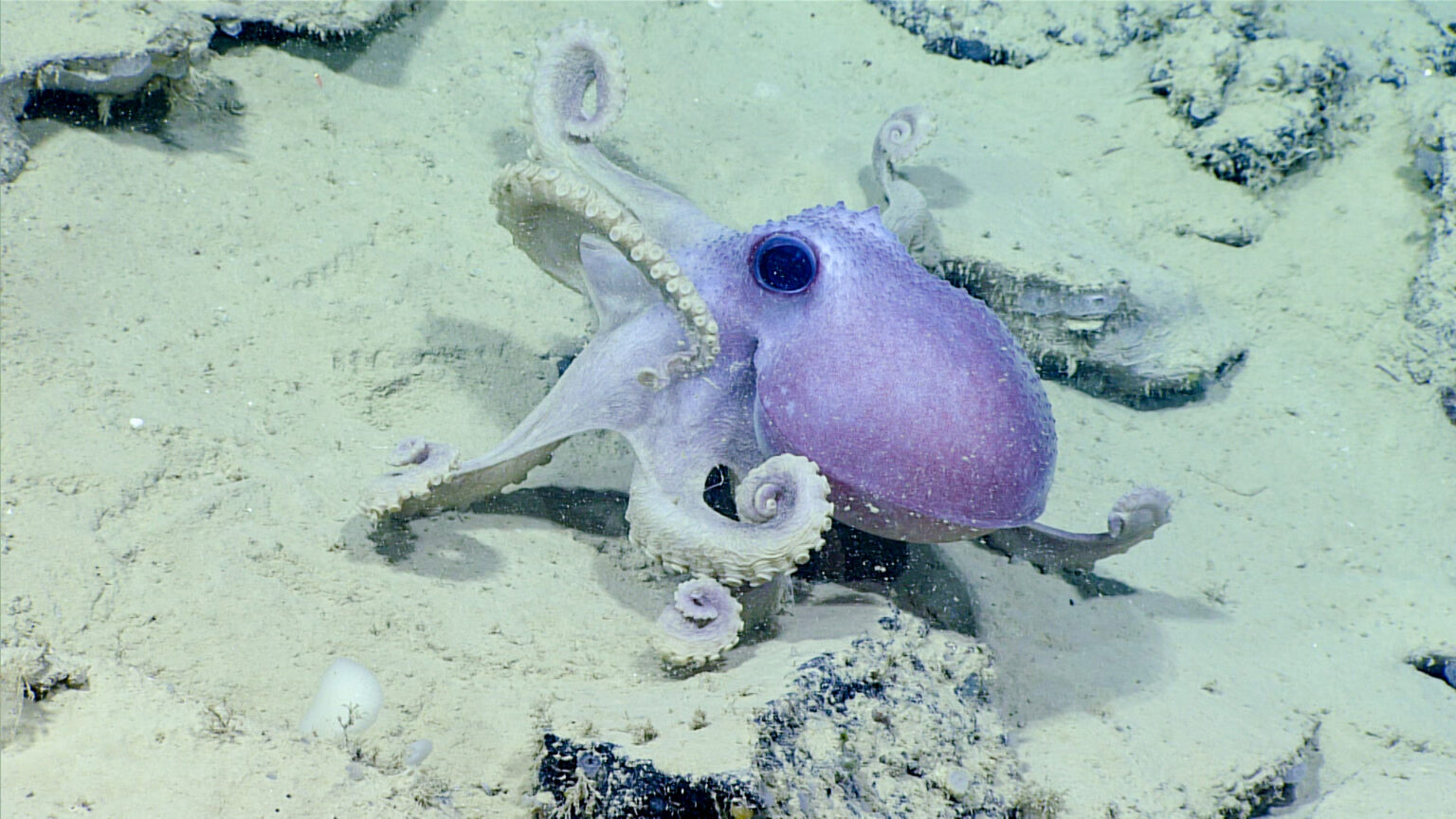
Featured Image: Taken during the Windows to the Deep Exploration of 2019. A smaller species of octopus explores a sandy bottom. Researchers nickname this species the “watery octopus“. This octopus is another example of a species that inhabits the deep ocean.
Sources:
https://animals.howstuffworks.com/marine-life/why-is-octopus-blood-blue.htm
https://en.wikipedia.org/wiki/Octopus
https://www.diversdirect.com/w/octopuses-weird-and-wonderful-ocean-dwellers
https://www.divescotty.com/underwater-blog/how-do-octopuses-camouflage-and-why.php
https://pmc.ncbi.nlm.nih.gov/articles/PMC6971404
https://www.vedantu.com/biology/octopus-life-cycle
https://www.nhm.ac.uk/discover/octopuses-keep-surprising-us-here-are-eight-examples-how.html
https://oceanexplorer.noaa.gov/multimedia/daily-image-media-20201106/