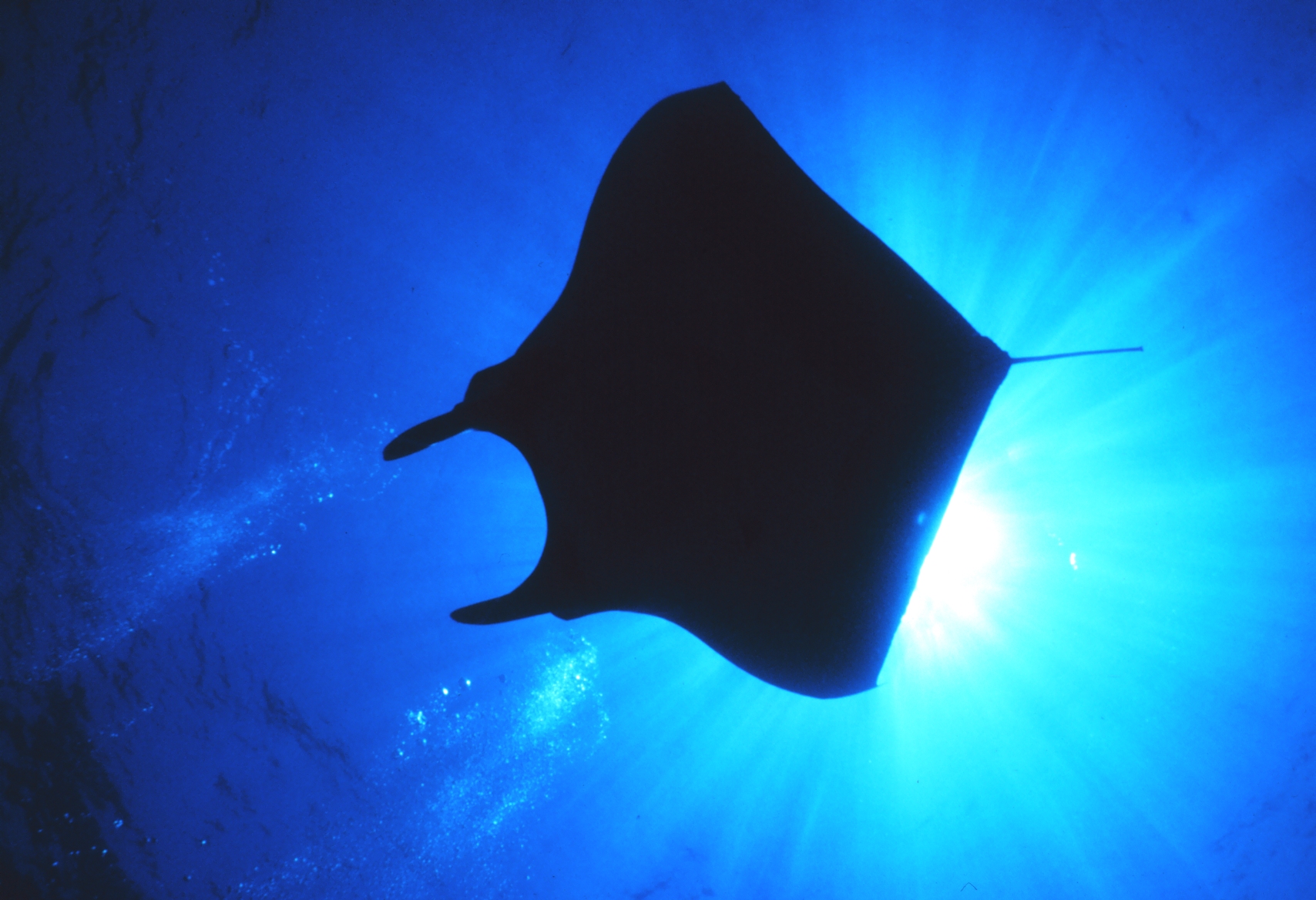
Manta rays are one of the most unique animals on the planet. The only other group of animals that resemble the manta rays are normal stingrays. However, these sting rays are only a fraction of the size of these majestic manta rays. Manata rays can grow up to 12-14 feet long and have a gigantic wingspan of 2-3 feet. This is almost the size of most cars seen on every road. However, despite their gigantic size, they are described as gentle giants.
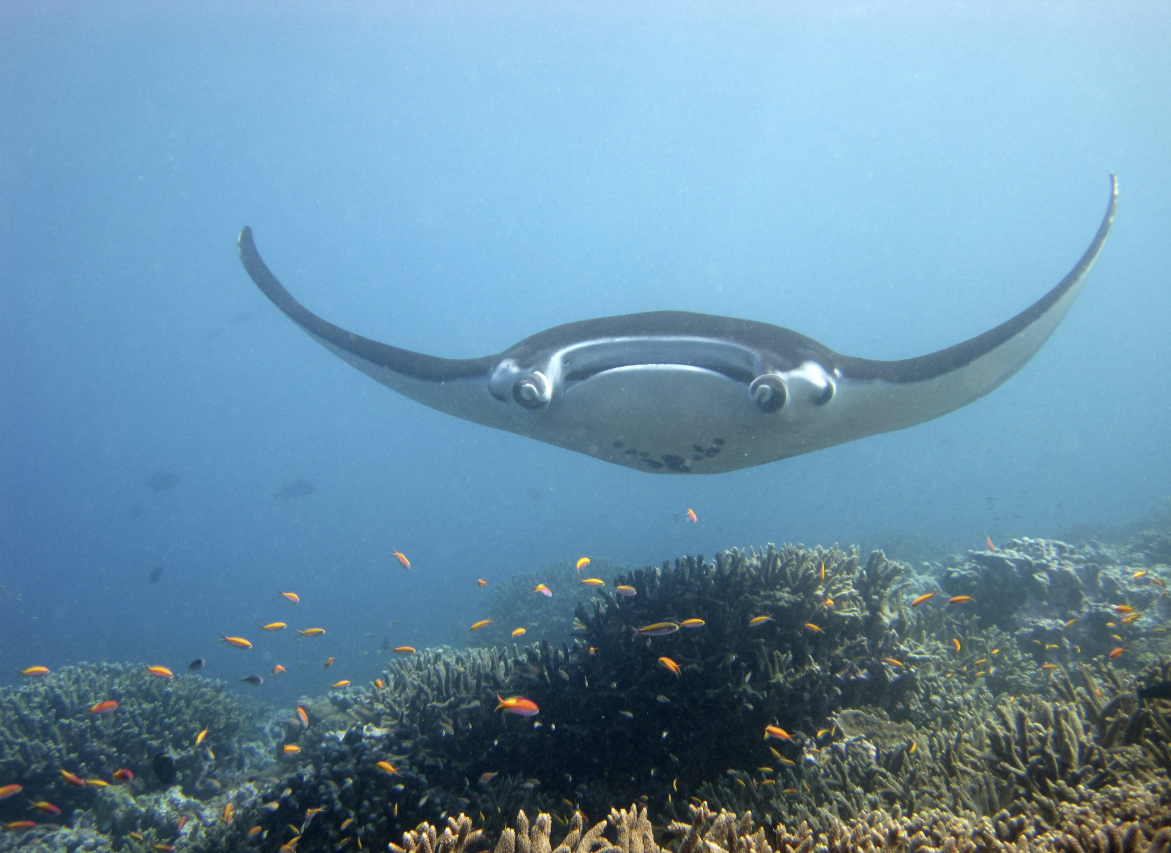
Manta rays are found across the world, mainly in temperate or tropical oceans. These manta rays prefer shallower waters rather than the open ocean. They are found in both the Atlantic and Pacific oceans, as well as the Indian Ocean, close to the coasts of Sri Lanka. Their habitat consists of coral reefs or seagrass beds. This is because the manta rays need a lot of food in order to maintain their homeostasis of such a large body. However, since these rays are not apex predators, their diet consists mainly of zooplankton. They are known as filter feeders and consume millions of zooplanktons a day. They do this by swimming amongst the heavily populated waters with their mouths wide open and letting zooplankton filter into their systems. This is a popular feeding technique for large marine animals, also seen in whale sharks and basking sharks.
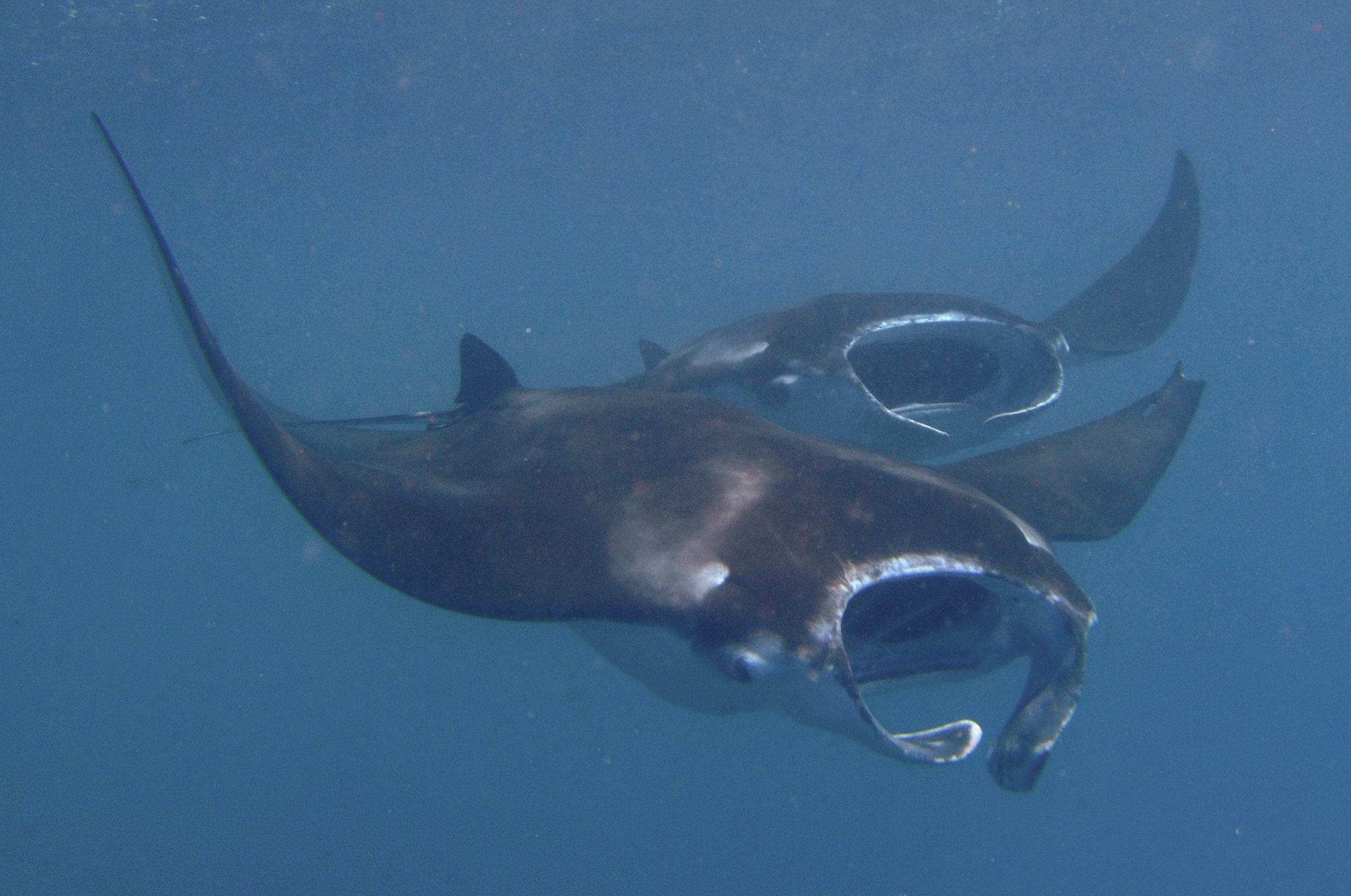
These majestic rays play more of a role than just being an amazing sight. They impact the ecosystem around them in many different and important ways. The main impact of these manta rays is that they are great nutrient cyclers. This is a process called nutrient translocation, and it is directly related to how the manta ray feeds. As stated previously, manta rays consume a gigantic number of zooplankton as their main source of food. The areas where these zooplankton live contain a lot of nutrient-rich environments. Since manta rays are filter feeders, they end up consuming these nutrients with the intention of eating zooplankton. After these nutrients are digested, they are released as fecal plumes into environments that are less nutrient-dense than where the manta ray consumed them. One important location where these fecal plumes are released is coral reefs. Coral reefs are extremely essential to thousands of organisms that live within them. Therefore, there needs to be an excess of nutrients in this area for organisms to thrive.
This increase in nutrients also helps to boost primary productivity, especially in coral reefs. This increase in primary product will directly help remove carbon dioxide from the atmosphere and oceans. Removing carbon dioxide from the atmosphere helps to decrease climate change and global warming as a whole. And behind this change is the manta ray helping supply those ocean plants with nutrients that they would not have without the manta ray. This indirect interaction is a gigantic reason why manta rays are more important to this planet than expected.
How do manta rays affect the environment? – The Institute for Environmental Research and Education
Get to Know the Majestic Reef Manta Ray – Manta Ray Advocates Hawaii