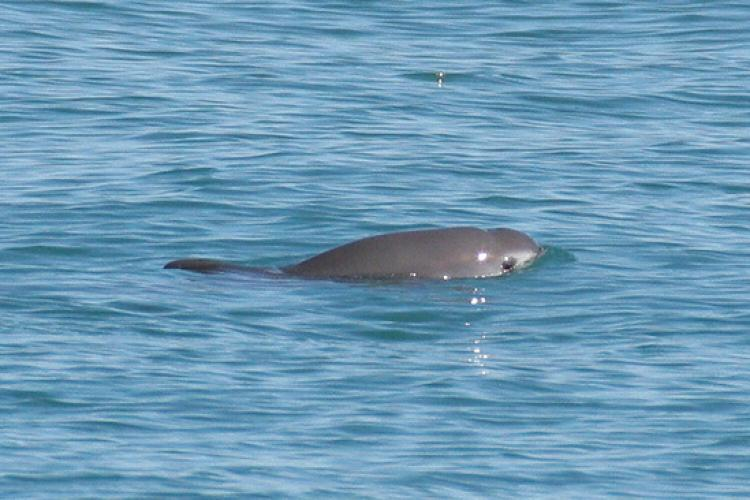
The vaquita (Phocoena sinus) is the smallest and most endangered marine mammal in the world. This small porpoise is only found in the northern Gulf of California, Mexico. Because its range is so small, it is especially vulnerable to fishing impacts. Vaquitas are shy and hard to spot, so even when there were more of them, they were rarely seen. In recent years, it has become a symbol of how bycatch within commercial fisheries can push a species to the edge of extinction. Today, the vaquita’s survival depends almost entirely on finding ways to stop bycatch.
Bycatch is the capture of non-target species in fishing gear, and in this case, it is fatal because the porpoise becomes entangled and can’t surface to breathe. Gillnets are especially dangerous because they are hard to see underwater and are often lost or abandoned, becoming ghost nets. Gillnets have some of the highest bycatch rates in the fishing industry and are often miles long, known as “curtains of death”.
Stakeholders in this issue include local fishers, coastal communities, the Mexican government, and conservation groups. Many fishers depend on gillnet fishing for shrimp and other fish to make a living. This creates a difficult situation because while fishing supports communities, it also puts the vaquita at serious risk. The illegal totoaba fishery makes things even worse. Totoaba are targeted for their swim bladders, which are sold for very high prices. The same nets used to catch totoaba also entangle and kill vaquitas. Even though gillnets have been banned in the vaquita’s habitat, they are still being used illegally. Enforcement is weak, with minimal funding and little effort from local authorities. This has made it very hard to reduce vaquita deaths.
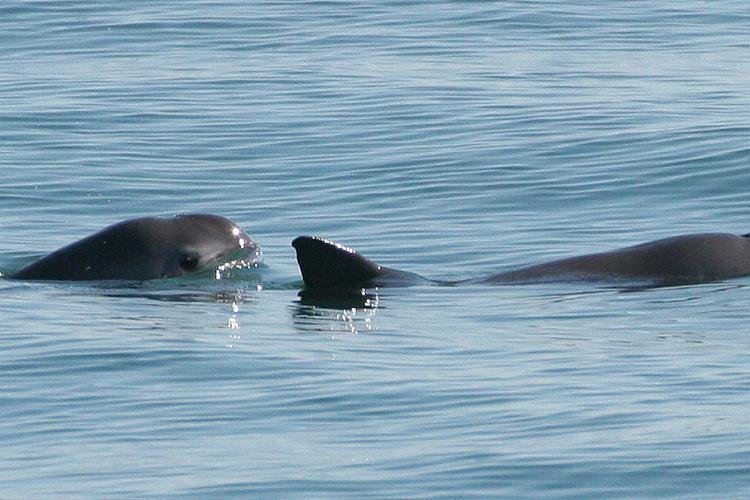
The impact of bycatch on the vaquita population has been catastrophic. In 1997, there were around 567 vaquitas. By 2015, that number dropped to fewer than 60. Now, scientists believe there may be fewer than 10 individuals left, with an estimate of 8-9. This is more than a 99% decline in just a few decades. At one point, the population was shrinking by more than 30% each year, which is why scientists say the species is on the brink of extinction.
One important thing to note is that the vaquita could still recover if bycatch were completely stopped. Some studies show that even a very small population can grow again if the main threat is removed. However, this would require strict enforcement of fishing regulations, better alternatives for fishers, and stronger action against the illegal totoaba trade. The situation with the vaquita shows how damaging bycatch can be. Even though the species is not being directly targeted, it is still being driven to extinction by fishing practices. If stronger action is not taken soon, the vaquita could disappear completely. At the same time, it shows that with the right changes, there is still a small chance of saving the species.