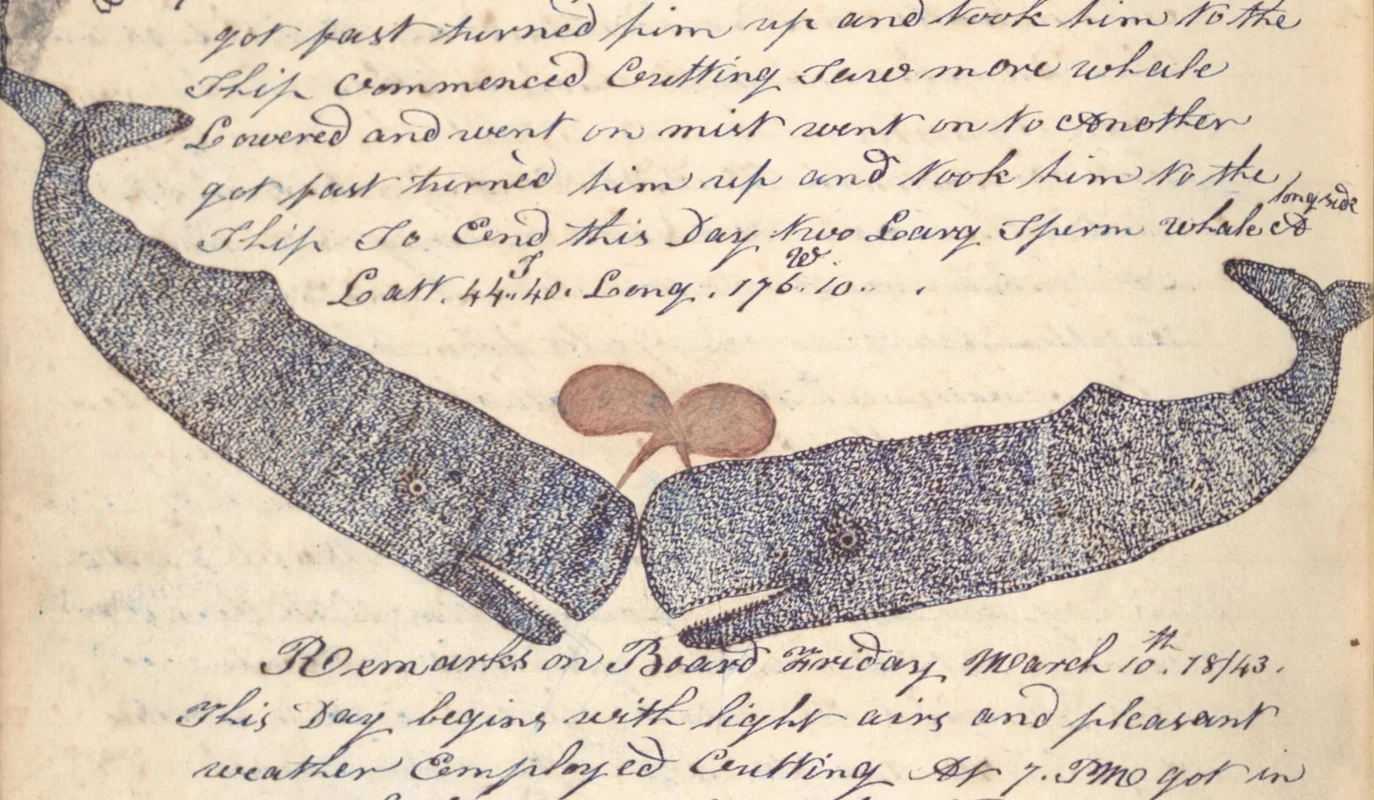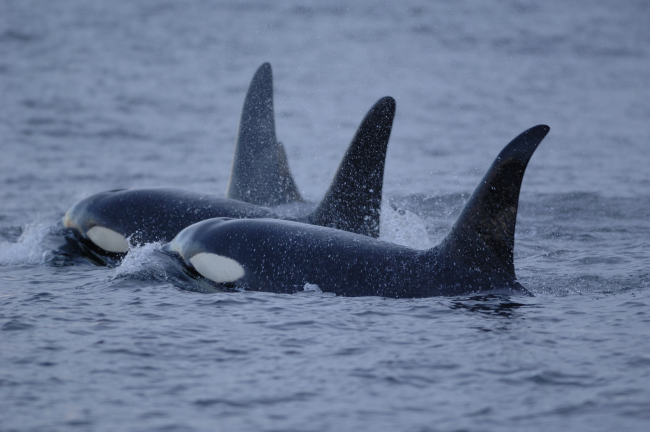
Whales, who doesn’t love them? These fascinating animals are highly social creatures. They travel in pods and place a strong emphasis on family care, often staying close to one another for long periods of time. Whales also use complex sonar communication systems, helping them coordinate behavior and keep in contact even when they are far apart. All of these traits point to rich social lives and raise the question of whether the relationships they form outside of kin can be considered friendships.
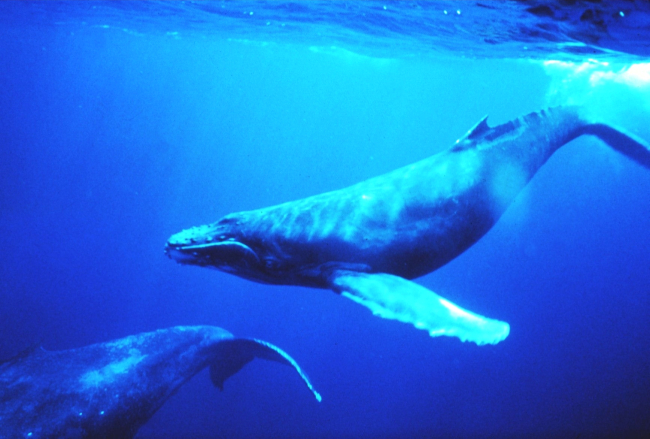
Toothed whales are especially known to engage in physical contact such as nose-to-nose touching, flipper slaps, hugging, synchronized breaching, and coordinated hunting behavior. These social reinforcement behaviors are similar to those seen in humans and chimpanzees and may have evolved for similar reasons. When individuals form in-groups, they tend to share resources and protect one another, increasing survival. While these behaviors are often explained by kin selection and indirect gene transfer, whales frequently display them toward unrelated individuals.
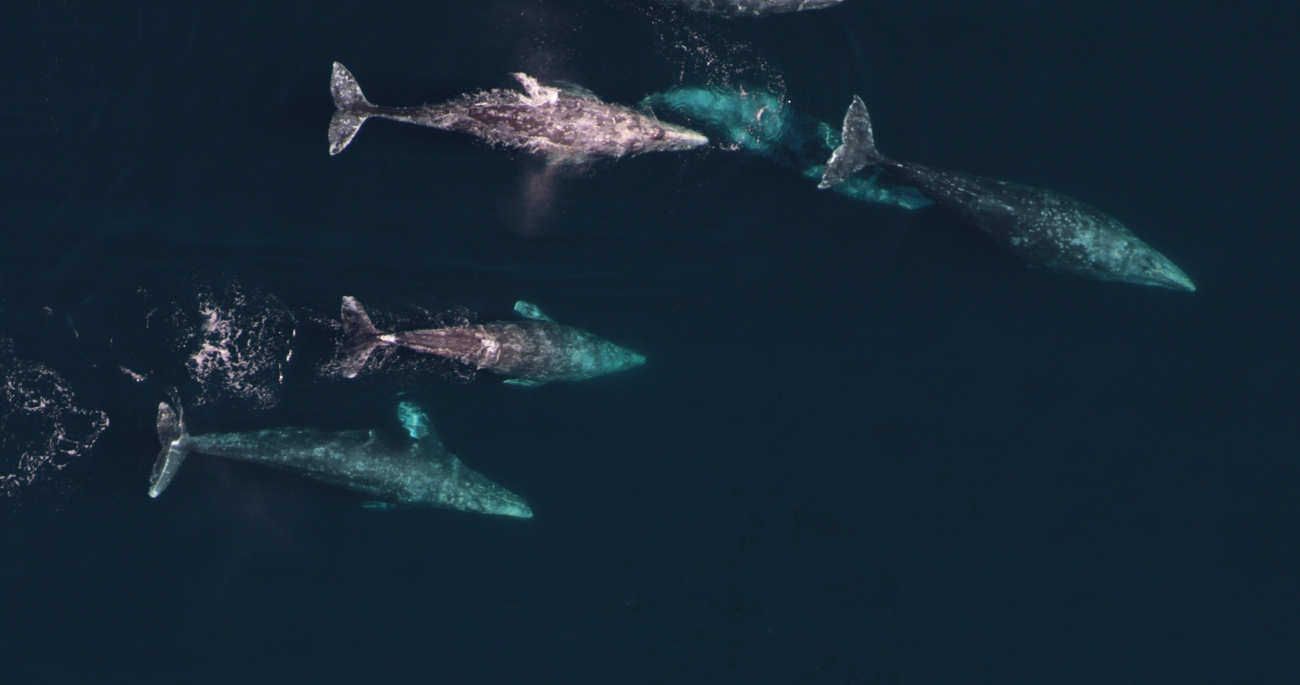
The associations whales form appear to reflect individual preferences rather than purely group survival, often extending across different pods. Behaviors that could point toward friendship include playing, resource sharing, and close association “buddying up” between unrelated individuals. Whales show preferences for certain companions within their social group and between groups during migratory meetups. Some juveniles temporarily join other social groups before returning to their natal pod, which may support social learning or further reflect individual preference. Whale associations also change over time, becoming closer or more distant, similar to how human social relationships evolve as time progreses.
While it is difficult to say that whales have friends in the same way humans do, their associations appear to serve similar roles. These relationships can provide social support, learning opportunities, and cooperative advantages such as shared foraging or protection. Whales repeatedly associate with the same individuals, suggesting stable bonds rather than temporary groupings. Although we should avoid anthropomorphizing their behavior, the evidence suggests that whales do indeed form friendships.