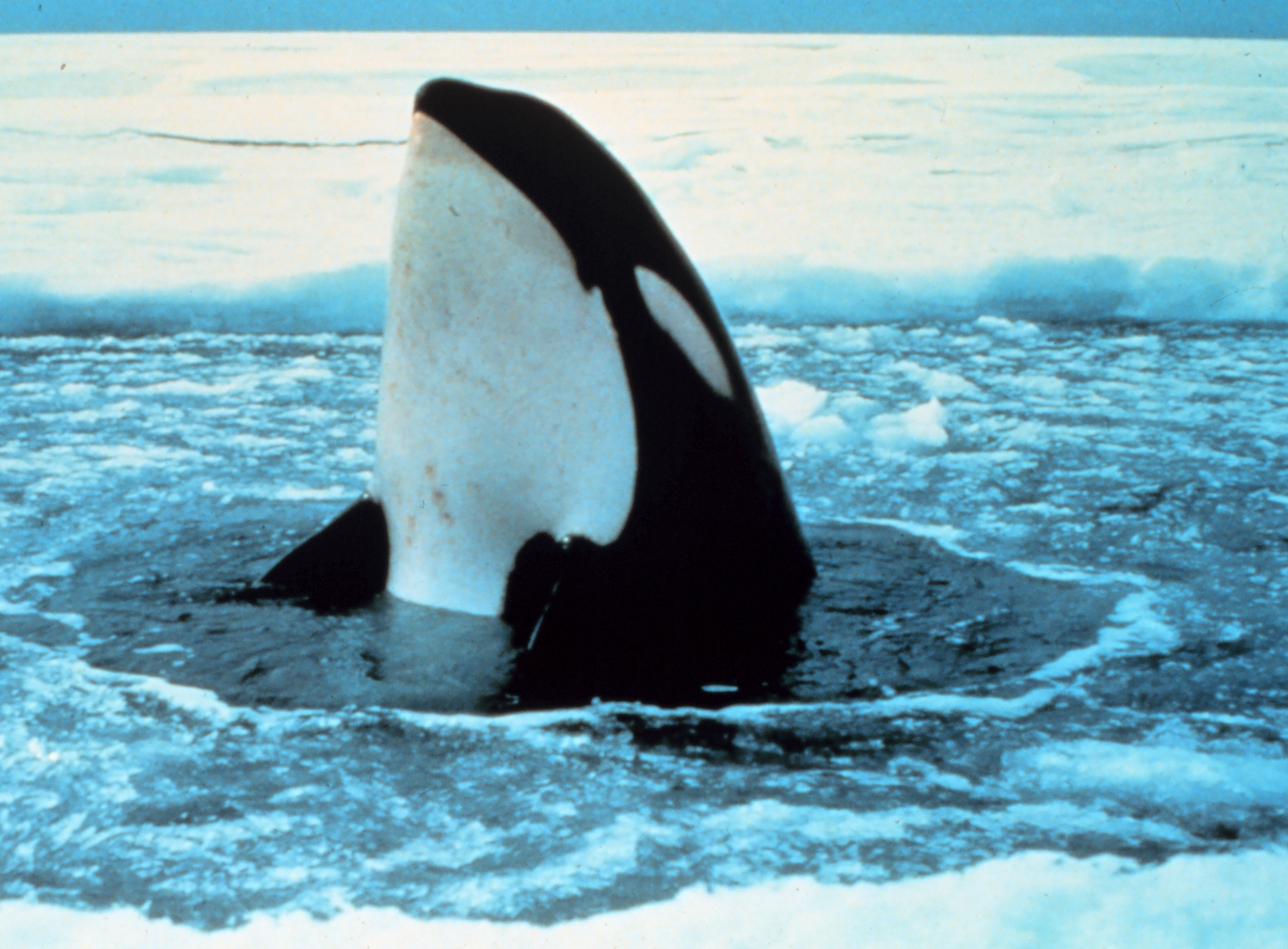
Cetaceans are known for being highly intelligent mammals, with their very complex social dynamics, large brains, and their effective “sixth-sense” in the form of echolocation. As intriguing and wonderful as whales and dolphins, let us take a deeper dive into how truly intelligent orcas are. Now a good amount of the behaviors and features that I describe in this post are not exclusive to orcas, however, I chose orcas specifically due to how they use all of the biological tools they have best. Because frankly, Orcas are the most badass in the Ocean.
Okay now onto the awesome social dynamics that orcas orchastrate. Above most everything else that orcas do, the way that they hunt, is what makes them the greatest predators in the seas. First of all, Orcas have a incredibly powerful body. Shaped incredibly aerodynamic, with plenty of size and musculature, they’re already enough to be one scary son-of-a-gun. However, Orcas also form pods based upon their families, most often the eldest female taking the biggest role leading the pod. The reason why these pods are so effective is because of the ways that they communicate with one another. Orcas use a series of clicks and chirps, with variation in pitch and length to differentiate between “phrases”. These clicks and chirps are so complex that biologists are currently attempting to translate what the orcas are saying to one another. However, the most spectacular thing found about how orcas communicate, is that they have differing dialects and accents depending on where they are located and what other orca groups they have come in contact with.
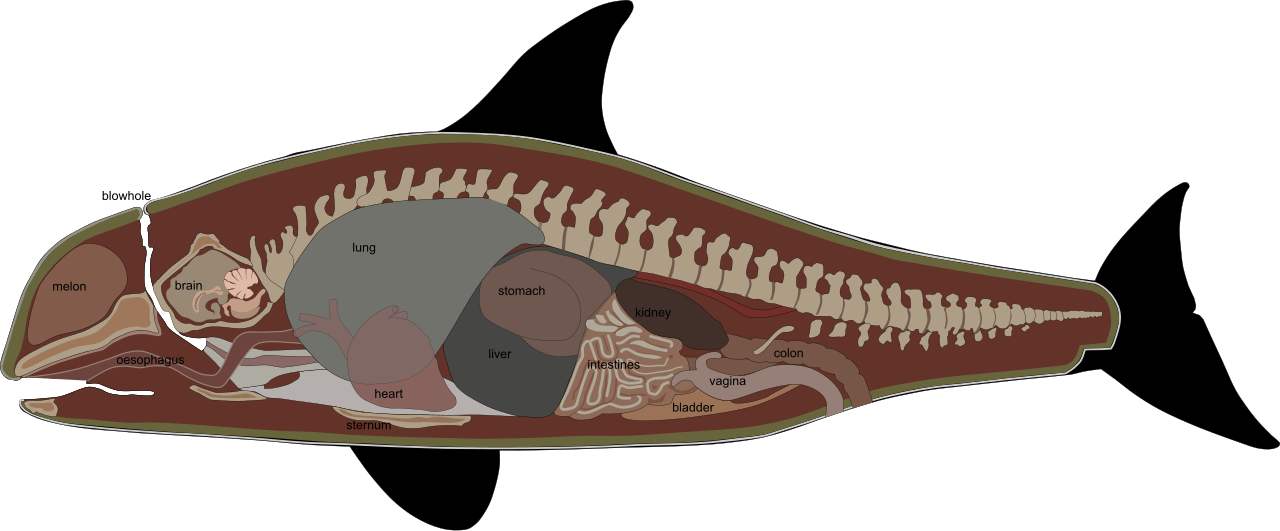

However, that’s not the only thing that changes based on pod and location, their diet changes as well. Some orcas and various pods will only go after a specific favorite prey, even so far as a specific species of prey. They’ll occasionally actively avoid other feeding opportunities in favor of getting their favorite meal. Their echolocation helps support this feeding style as it can pinpoint different species based on miniscule biological differences between those species.
The way that they hunt their prey simply just goes to show how intelligent these creatures are. Orcas have developed specific ways of catching prey based upon the ecosystem their prey inhabits. Orcas have been spotted creating waves to throw seals off of their safe chunks of ice into the water. Alongside that, Orcas have been spotted circling White Sharks and proceeded to ramming them and then flipping the shark upside down. For those who don’t know, if sharks are turned upside down they enter a state called tonic immobility, which immobilizes the shark long enough for the Orca to gouge out just the liver, and leave the rest of the corpse. The reason that Orcas only go after the liver is that somehow, they know that th liver of a shark is by far the most nutritious. They’ve also been spotted beaching themselves in order to grab terrestrial prey and drag them into the water. Showing that nowhere is truly safe from orcas. In fact what is so interesting about this behavior, is that it is entirely learned from the eldest to the pups. The eldest will throw a strand of seaweed onto the shore and have the pups beach themselves, grab it, and then bring it back.
And if you would believe it, orcas have exhibited another trait similar to humans: fashion. A female orca was spotted one day sporting a dead salmon balanced on her head. Throughout the next week every individual in the pod started balancing dead salmon on their heads. This fad eventually faded, but the way that it shows complex social dynamics are very thought provoking.
Honestly, there are far more peculiar things about social behavior in Orcas, and a further dive into it is heavily encouraged. Nonetheless, with what information you have been provided. That information being their overall body plan, their basic social structure, and happenstance orca observations. Ultimately you are most obviously left with the (correct) impression that Orca’s are the Oceans most badass creatures. Have a great night and make sure to drink some water.