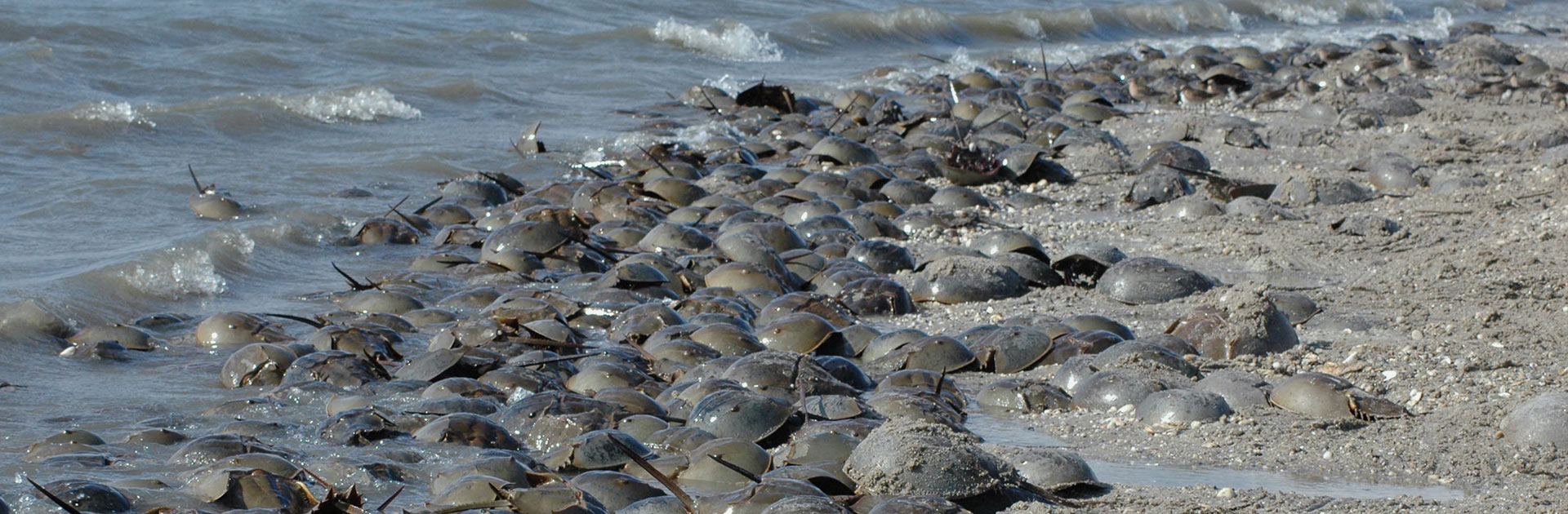
Picture in your head a creature so ancient that it was crawling along Earth’s shores before dinosaurs ever existed, yet you can still see them around today. You might be imagining a horseshoe crab. The horseshoe crab is an ancient marine animal most easily recognized by their hard, dome-shaped shell, long pointed tail, and unusual blue blood. With fossil records dating back to around 450 million years ago, they lived over 200 million years before the dinosaurs started to roam the land. Today, they mainly live along shallow coastal waters and come ashore to lay their eggs on sandy beaches.
.jpg)
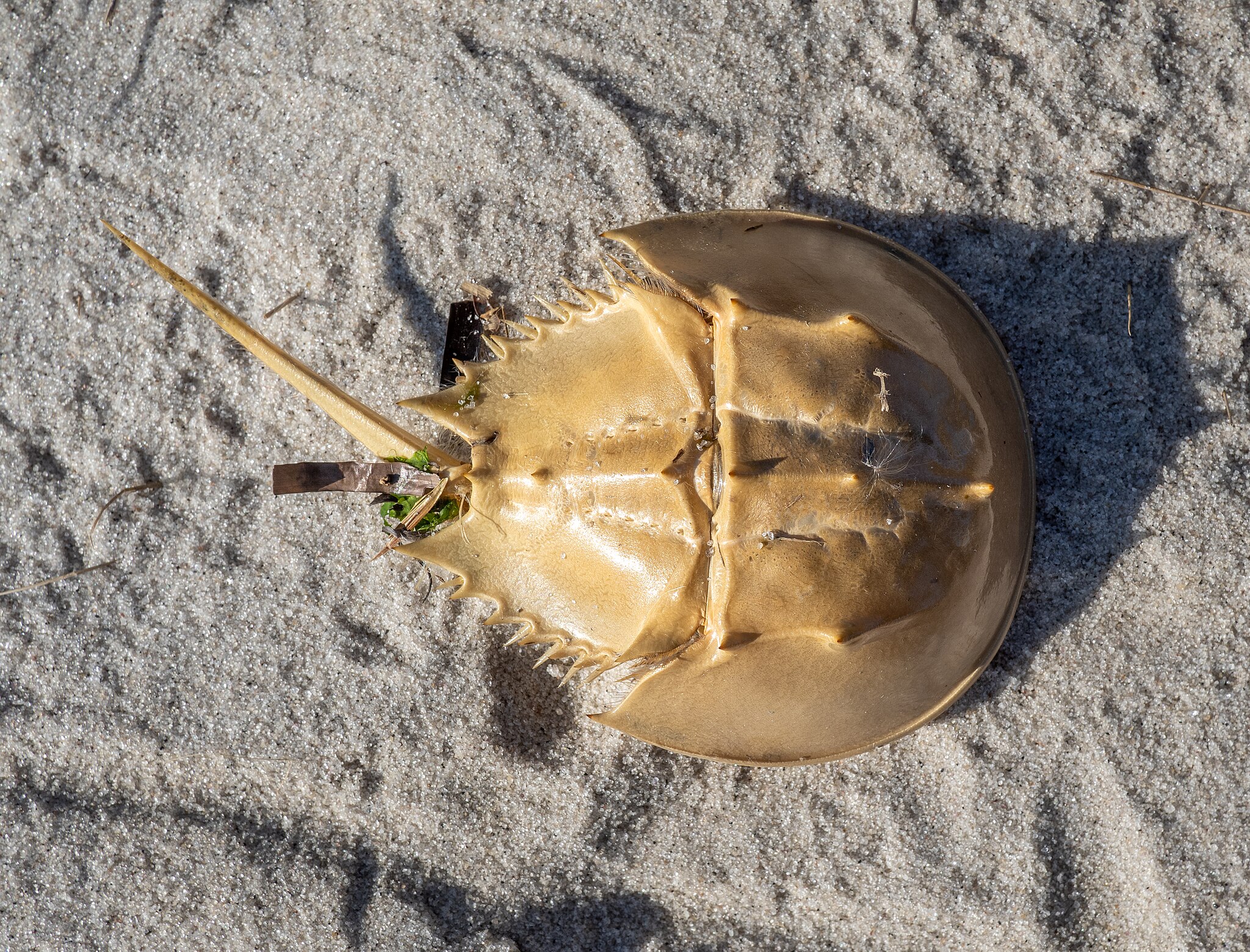
Despite their name, horseshoe crabs are not actually crabs. They are more closely related to scorpions, spiders, and ticks, which makes them part of the phylum arthropoda. Due to modern horseshoe crabs looking very similar to the fossils of ancient ones, they have been commonly called “living fossils”. This has led many people to believe that horseshoe crabs don’t evolve, however, this idea is not completely accurate. Horseshoe crabs are certainly capable of evolving, but they evolve very slowly in comparison to other species.
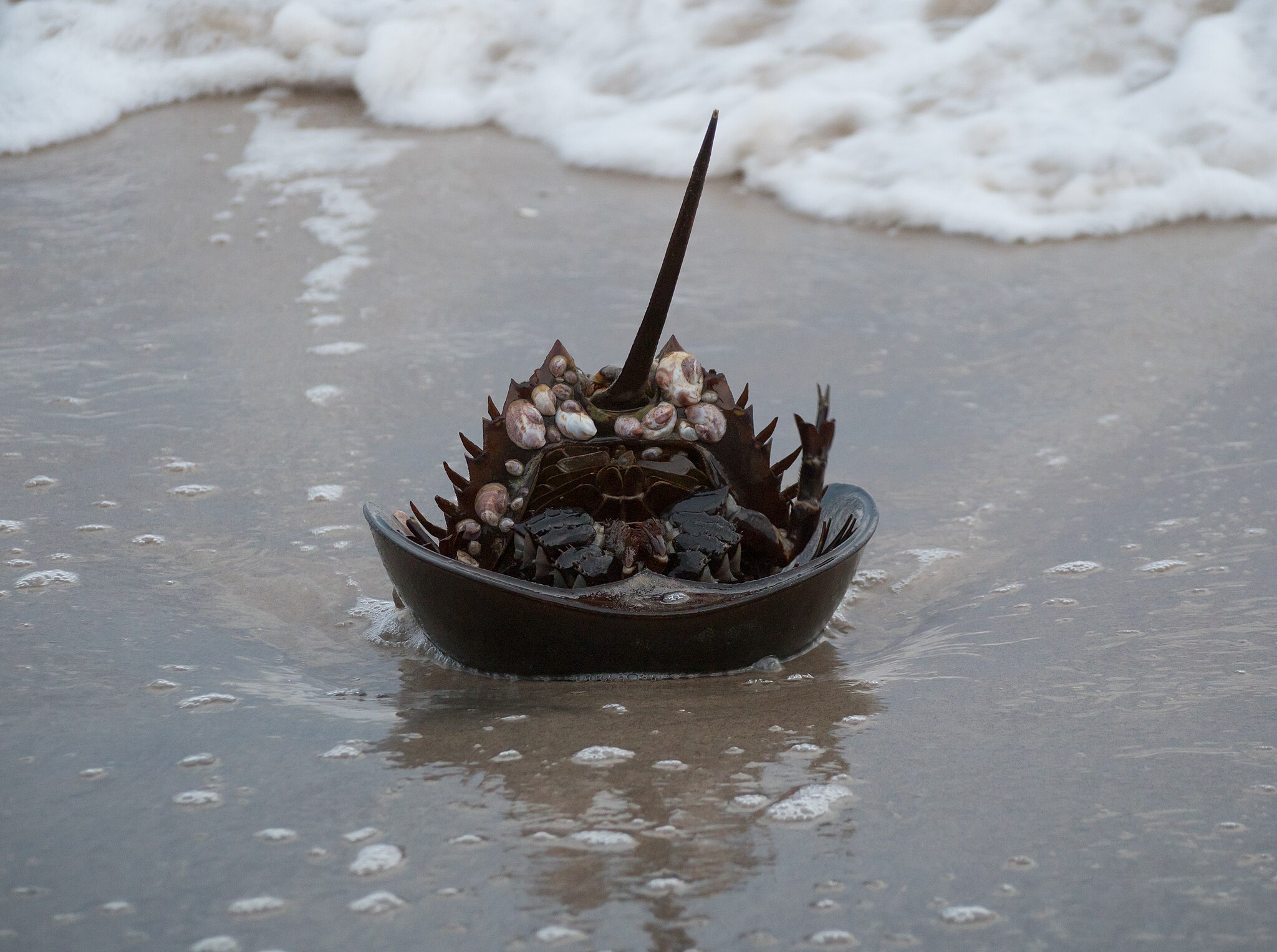
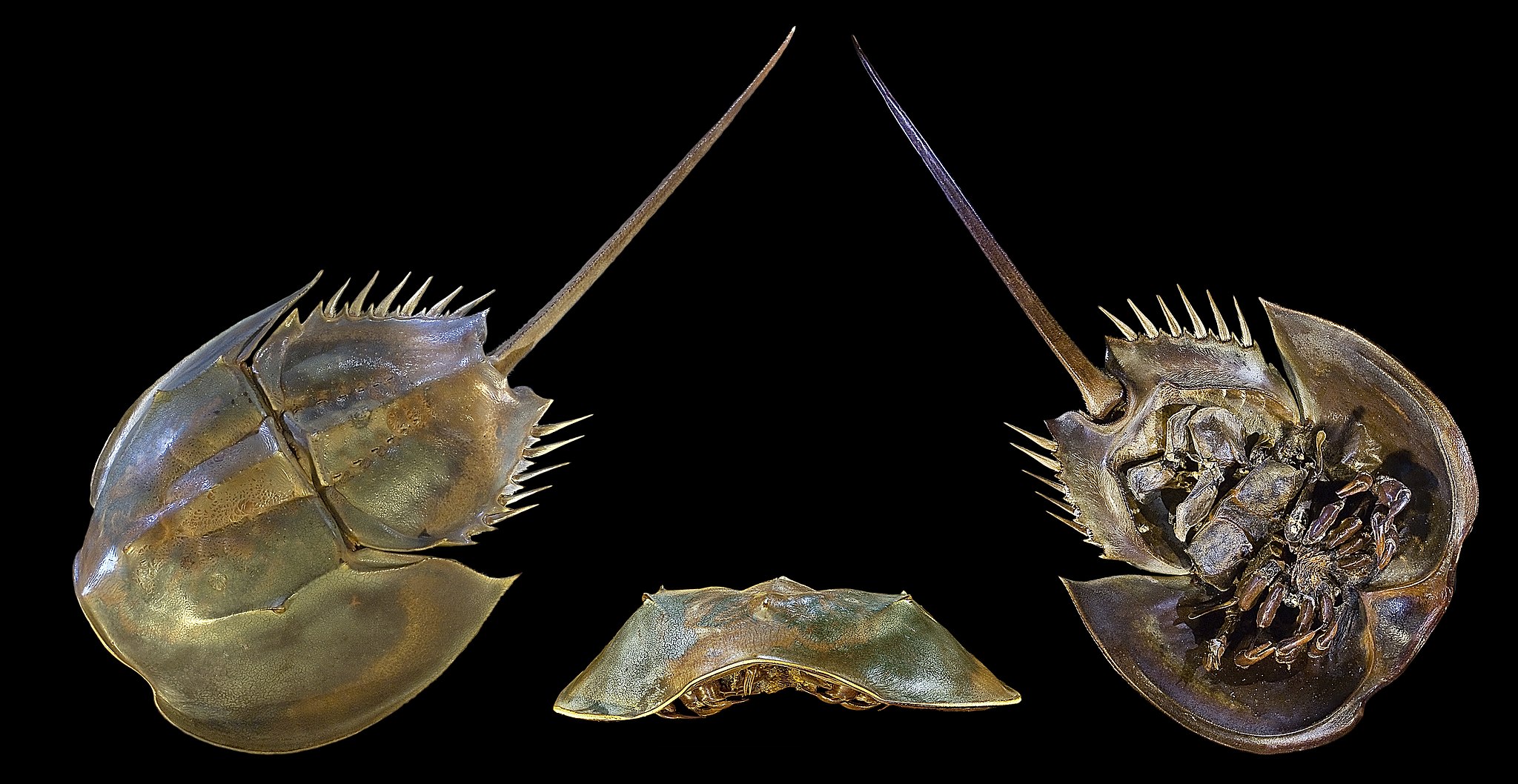
Everybody knows that evolution happens through changes in an organism that helps them survive and reproduce in their environment. This leads us to the question, why hasn’t the horseshoe crab gone through any significant changes? The reason for this is because they live in very stable habitats and don’t require much change over long periods of time. Their hard shell is already a good enough form of protection against predators, their six pairs of legs they use for moving and feeding don’t require much improvement, and their telson, or tail, helps them flip themselves over if they’re ever stuck upside down.
.jpg)
Moving past their lack of evolution, horseshoe crabs are also very important to modern science. Their blue blood contains immune cells that are sensitive to toxic bacteria which can be used to test vaccines and medical equipment for contamination. This has saved us from lots of unwanted diseases from vaccines. Additionally, horseshoe crabs are also very important to ecosystems because of their eggs, which provide a critical food source for migratory birds.
The horseshoe crab is much more than just an ancient-looking creature from the past. Their long history shows how a species can survive for hundreds of millions of years simply by being well-adapted to a stable environment. At the same time, they continue to play a vital role in the present through supporting migratory birds and protecting human health through modern medicine. By understanding horseshoe crabs, we understand a little bit more about earth’s past as well as their importance today.

Cover image: Spawning aggregation of horseshoe crabs (Image from NOAA)