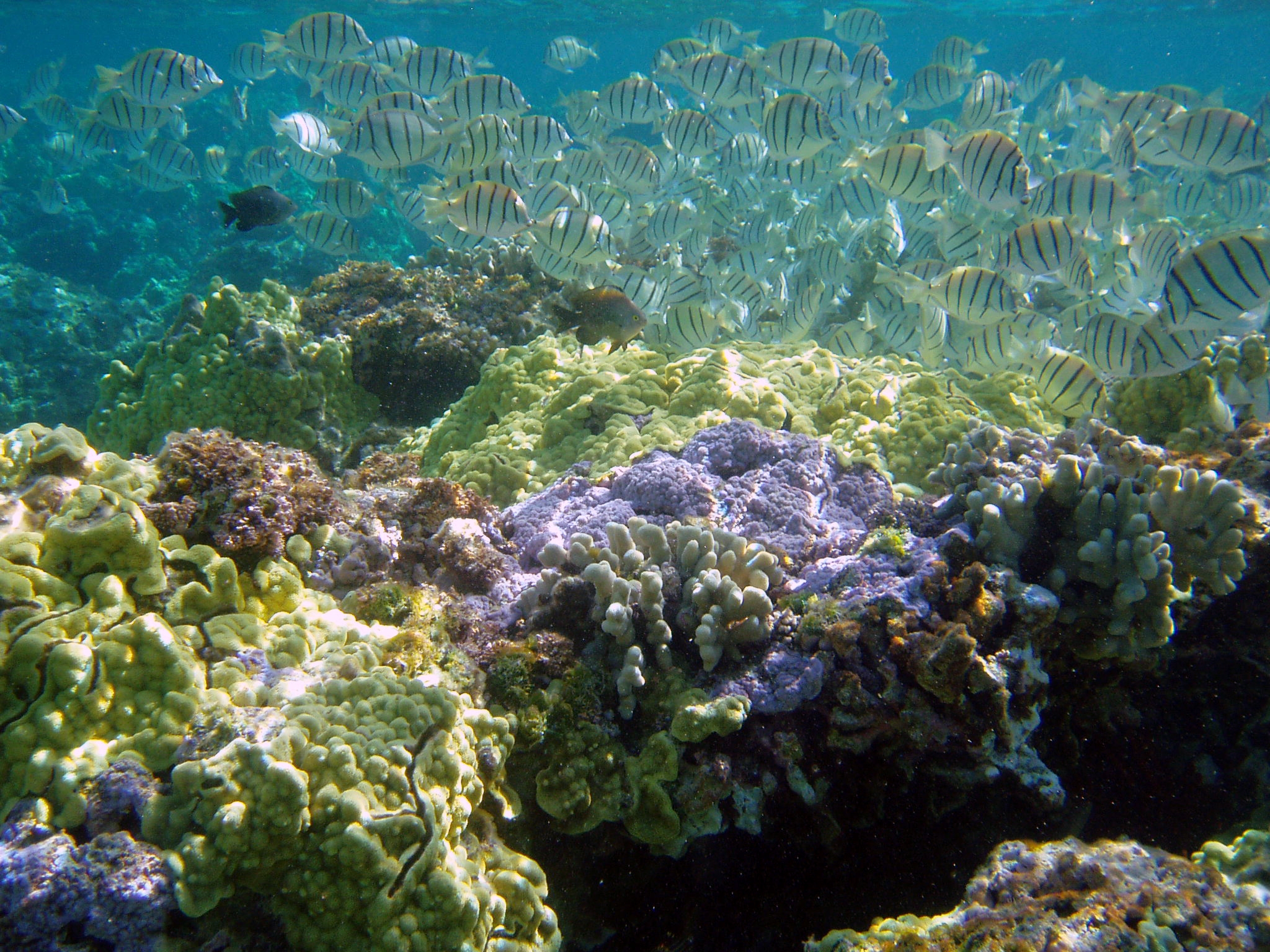
On June 15, 2006 U.S. President George W. Bush established Papahānaumokuākea Marine National Monument, and on August 26, 2016, President Barack Obama significantly expanded the monument under the Antiquities Act of 1906. President Obama quadrupled the managed areas from around 225,000 square kilometers, to 1.2 million square kilometers of water and submerged land. Marking this Marine National Monument as the largest conservation area of the United States and one of the largest in the world.
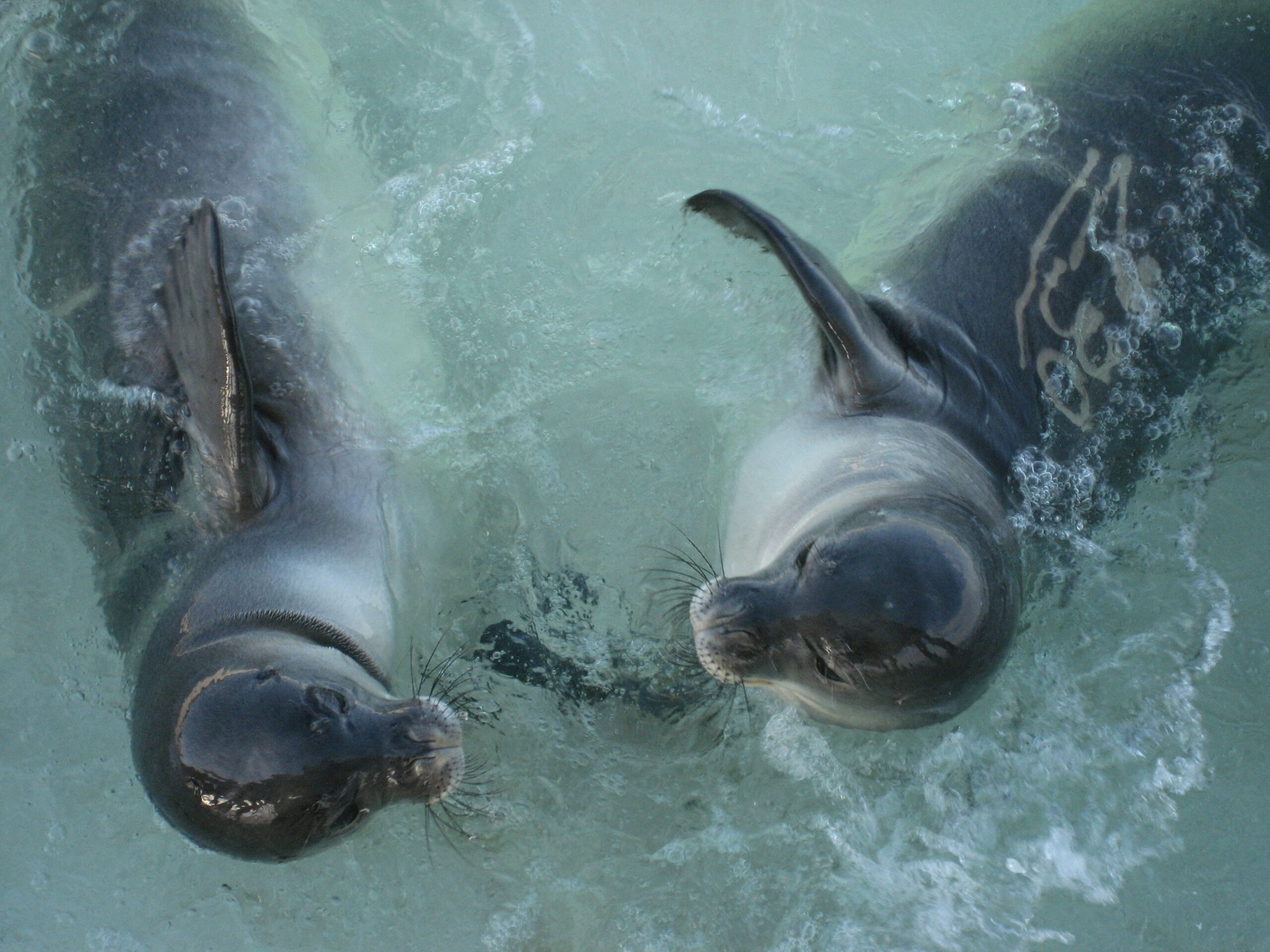
This monument is located in the Northwestern Hawaiian Islands which is recognized for its cultural and natural significance. These areas are valuable in Polynesian societies as a pathway of connection and a preservation of their cultural traditions. Papahānaumokuākea is home to several unique geological formations like its hotspot of volcanism, large presence of atolls, and chains of seamounts. Biologically, Papahānaumokuākea is home to several threatened and endangered species, ranging from the Hawaiian monk seal to the green sea turtle.
However, this area has been deeply affected by human impacts, leading to multiple species and habitats being essentially wiped out. Long-line fishing has proved to be one of the most destructive anthropogenic activities, specifically in this area. High numbers of more than 250,000 sharks have been caught as bycatch in the Northwestern Hawaiian Islands in the past 25 years. By limiting the amount of commercial fishing, this reduces the risk of bycatch, vessel strikes, and ghost lines. In addition, deep water trawling, and deep-sea mining makes irreversible damage to these geographic structures, and harms what we have discovered and even habitats that have not yet been discovered.
These challenges have prompted a call to action, highlighting the need to establish marine protected areas where ecosystems are mapped and managed to regulate anthropogenic activities. The management of this PMNM is structured between the National Oceanic Atmosphere Administration through the Department of Commerce, the U.S. Fish and Wildlife Service, and the Department of Land and Natural Resources for the state of Hawai’i. Together, these organizations are responsible to protect the area from commercial activities, like fishing and deep-sea mining, and limited activities with a permit; recreational fishing and the removal of resources for cultural practices and scientific purposes.
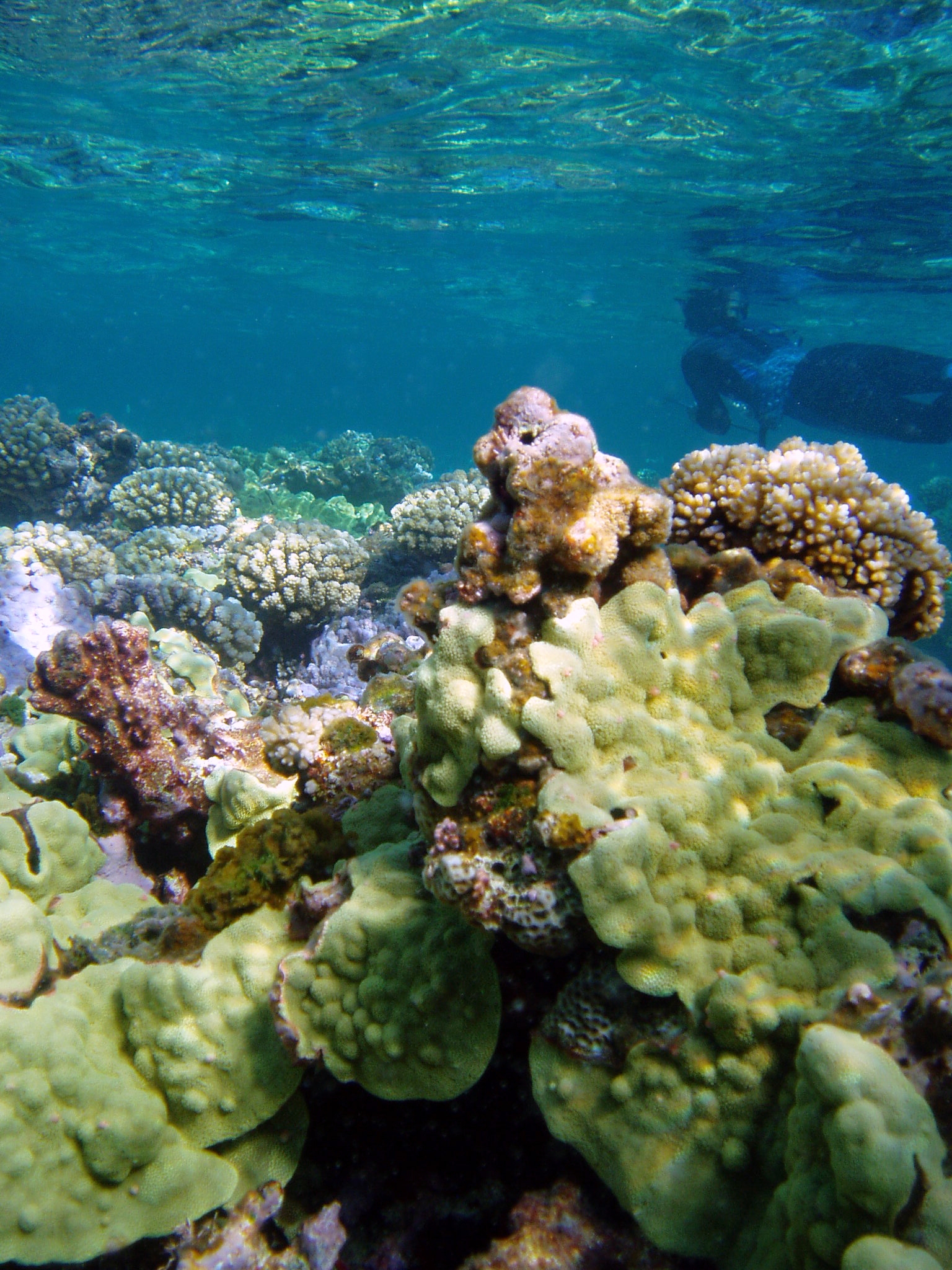
Overall, this groundbreaking MPA has created a model for the effectiveness of protection. Surveys have shown that Papahānaumokuākea is the healthiest and least disturbed coral reef in U.S. waters, due to the decrease in coral disease. The waters have bounced back with a high abundance of top predators, around five times as much fish biomass, and around fourteen more shark biomass, specifically compared to fished areas. Populations of marine mammals, turtles, and seabirds have been positively monitored, and even increases in migrational species. Fecundity has increased, as female fish are studied to be larger and older, creating more and higher quality eggs. Biomass is projected to continue exponentially increasing for decades to come.
In conclusion, while the effects of climate change seem daunting and inescapable, seeing positive restorations is hopeful. The Papahānaumokuākea Marine National Monument proves that the ocean is resilient and furthermore reinforces the world wide initiative of preserving 30% of the ocean by 2030.
Featured Image: Convict Tang (Image Credit: Clare Fackler NOAA Image Collections)