Pearls are some of nature’s most beautiful creations, organic gemstones that have become a timeless staple in the jewelry industry. For centuries, pearls have been seen as a symbol of elegance and class. Unlike silver or gold, pearls are formed under water by mollusks such as oysters and mussels. Mollusks, belonging to the phylum Mollusca, have soft bodies covered in a mantle that helps produce the shell. Mollusks can ingest foreign objects such as grains of sand or pieces of shell while eating or during respiration. This object lodges itself in the mollusk’s mantle, irritating it. To protect itself from irritation, the mollusk emits nacre, an iridescent substance also known as mother of pearl. This substance coats the irritant. The process repeats over time, creating more and more layers, gradually forming the pearl, determining its value and size.
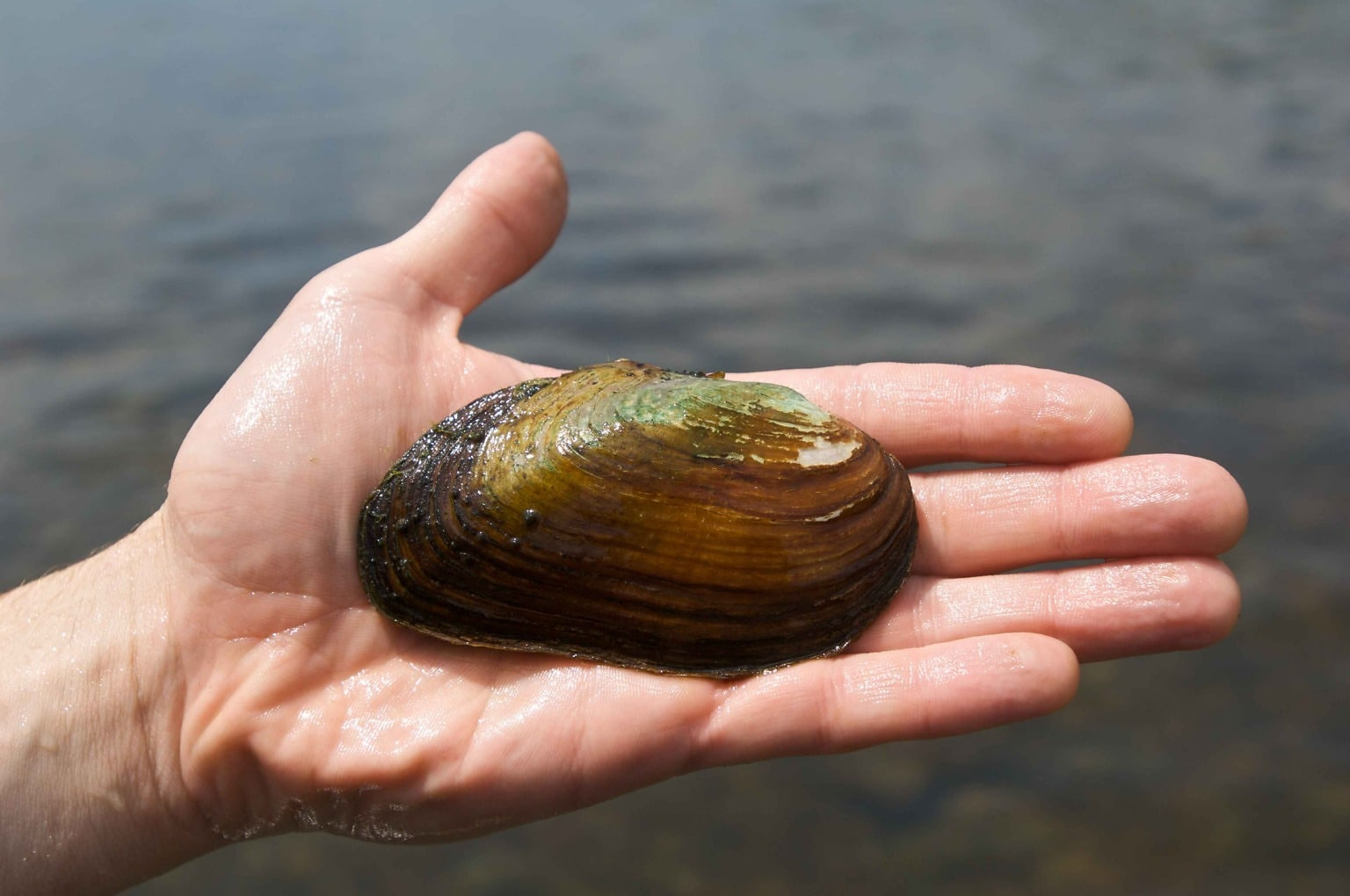
Pearls can either form naturally in the wild or are cultured with human assistance. Natural pearls are very rare and valuable, which is reflected in their high price. To produce cultured pearls farmers implant a nucleus into the mollusk, which is typically in the form of polished beads made from shells. The mollusk responds the same way it would to a natural irritant, covering it in layers of nacre over time. The process is started by humans, but finished naturally by the mollusk.
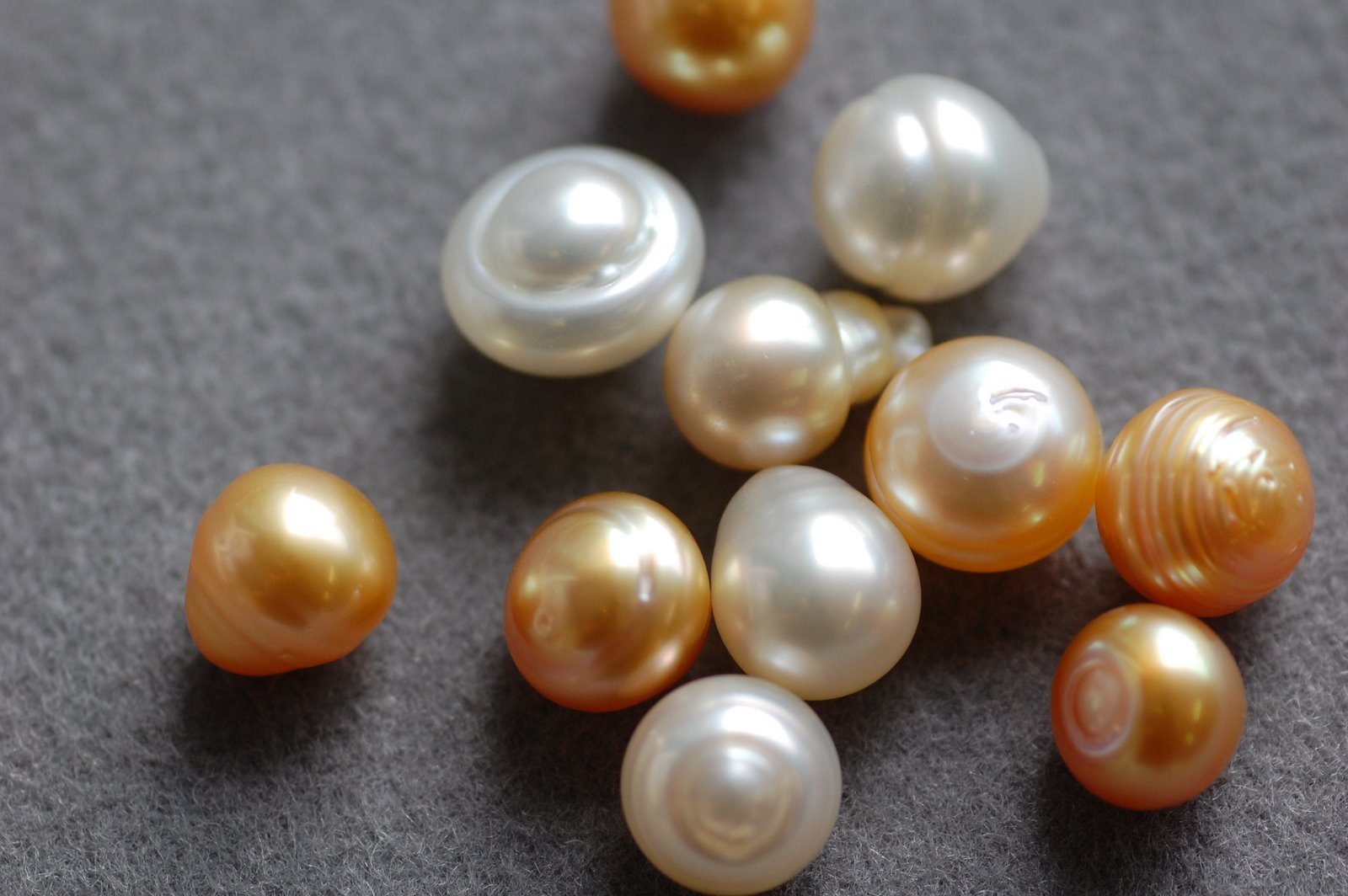

Cultured pearls come in several varieties, each formed in different environments and known for their unique characteristics. Freshwater pearls, as the name suggests, are grown in ponds and lakes and are widely used in jewelry due to their large range of colors and sizes. Akoya pearls develop in saltwater and are also popular for jewelry, most commonly appearing in classic white and cream shades. Some pearls are valued for their darker tones, such as Tahitian pearls, which grow in the waters surrounding the islands of French Polynesia and are known for colors like grey, black, and brown. Another highly valued variety is the south sea pearl, a salt water pearl that is rarer due to its limited growing conditions. Because of this rarity, south sea pearls are typically more expensive and often recognized for their white, silver, and golden colors.
A pearl’s value is typically based on luster, size, and color. Nacre plays a crucial role in determining these factors. Nacre, or mother of pearl, is made up of aragonite crystal layers separated by proteins from the mollusk’s shell. The thickness of each aragonite crystal layer determines how light reflects through the pearl, creating a distinct color. Because a pearls color has an extremely large range, a method was created to record the average thickness of aragonite crystal layers in pearl farming to better control the color of cultured pearls. This method isn’t exact, but it does help predict and determine the color of cultured Akoya pearls.
Pearls demonstrate how biological processes combined with time can turn a minor irritant into something incredible. From the gradual layering of nacre, to the wide variety of colors, pearls highlight the complex yet beautiful processes beneath the sea.