Otters are some of the most playful and well-known mammals that exist on planet Earth. They tend to grow around 2-6 feet and be found in fresh or salt water, depending on the genus. They can be identified by their brown fur and webbed feet and are most commonly found in lakes, rivers, and wetlands, while sea otters are found in saltwater environments.
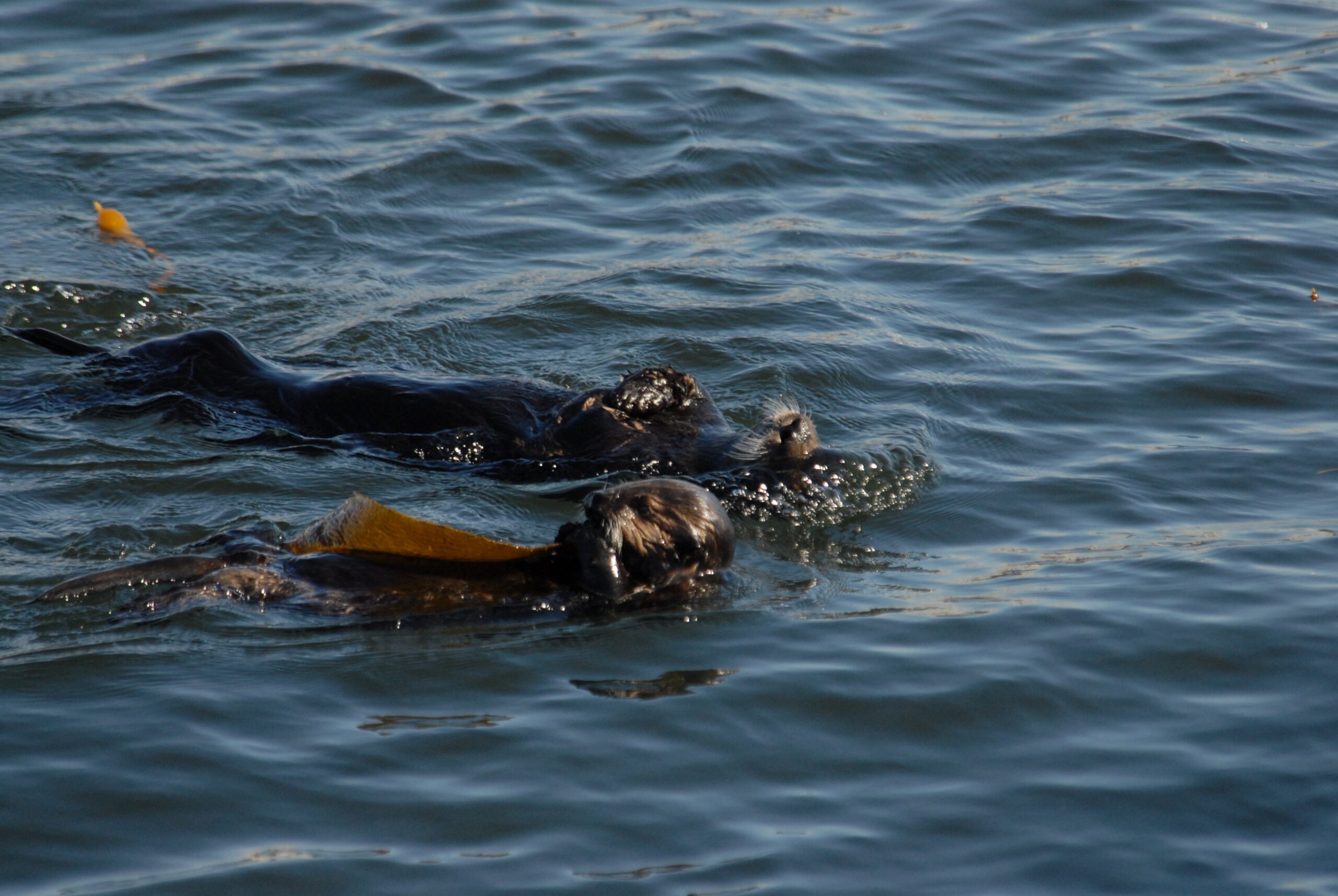
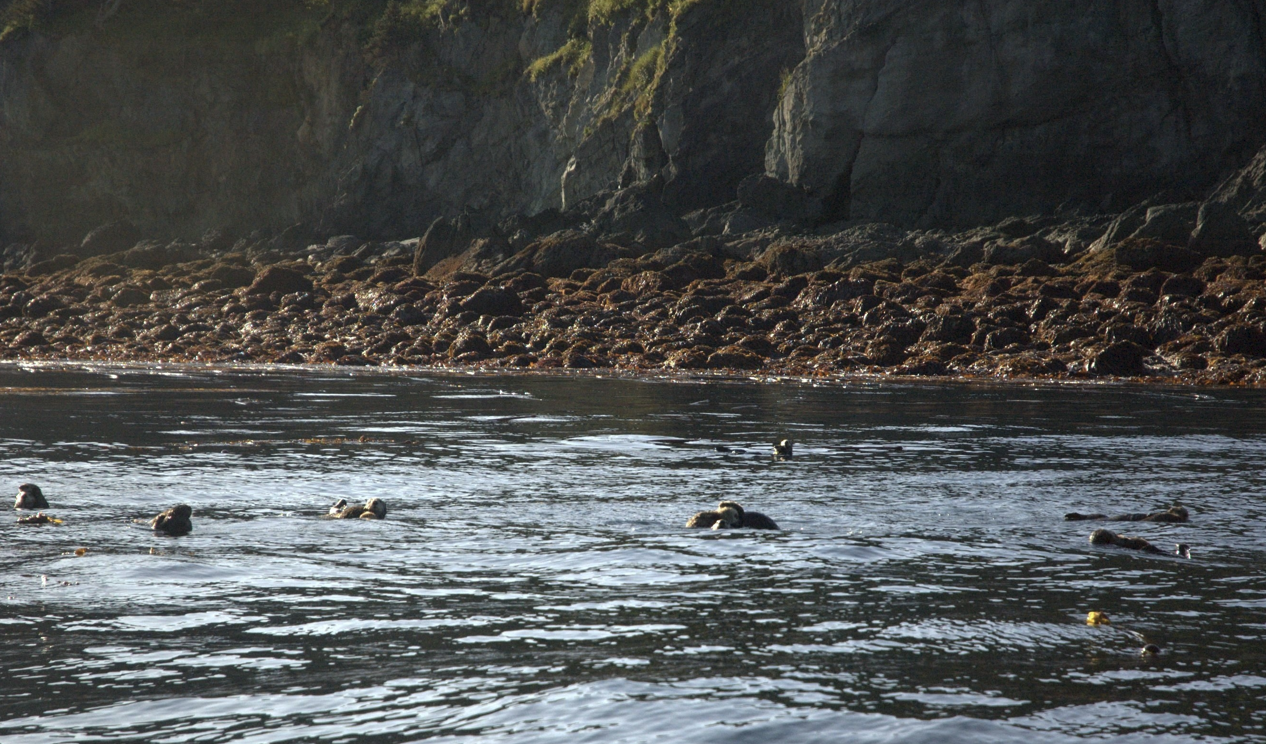
Otters are found on every continent except for Australia and Antarctica, making them very common. These mammals are semi-aquatic, which means they need to live relatively close to land. They are expert swimmers but still rely on land for rest. Their diet consists mainly of fish, but they can also feed on various crustaceans such as crabs. Besides being carnivorous hunters, otters tend to be very sociable and playful animals. They can be seen making water slides and playing with small stones for entertainment. They are active hunters and tend to chase after their prey before catching it. They tend to live around 10-16 years and will build dens for their mating season. They will then raise this litter of 1-6 pups for around a month. After this time period, they are ready to leave their den. Otter predators depend on their location, but the most common are wolves or large birds like eagles on land and sharks or killer whales at sea. The important thing about this seemingly ordinary aquatic mammal is that they play the role of a keystone species in their specific ecosystem.
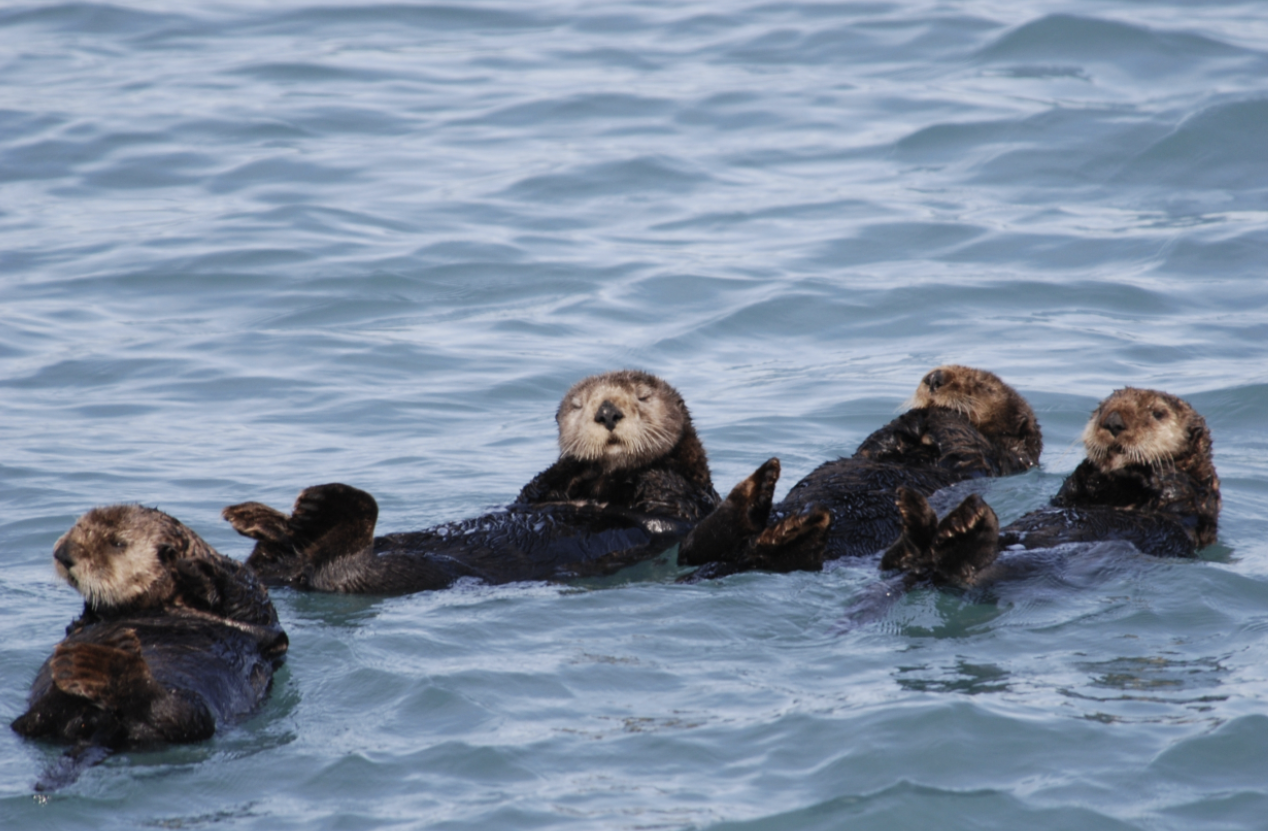
Group of Otters Swimming. Photo Credit: NOAA Photo Library
A keystone species is an organism that is extremely important to its trophic cascade. This means all the species that interact with their ecosystem heavily rely on the keystone species’ presence. One example of this in real life would be the sea otters’ impact on the kelp forests of the coast of California. These kelp forests are some of the most biodiverse ecosystems on the planet, being home to thousands of different marine organisms. At the top of this trophic cascade are sea otters, who are the dominant hunters. This being said, they keep the ecosystem in check by limiting herbivore populations, therefore allowing kelp populations to remain stable.
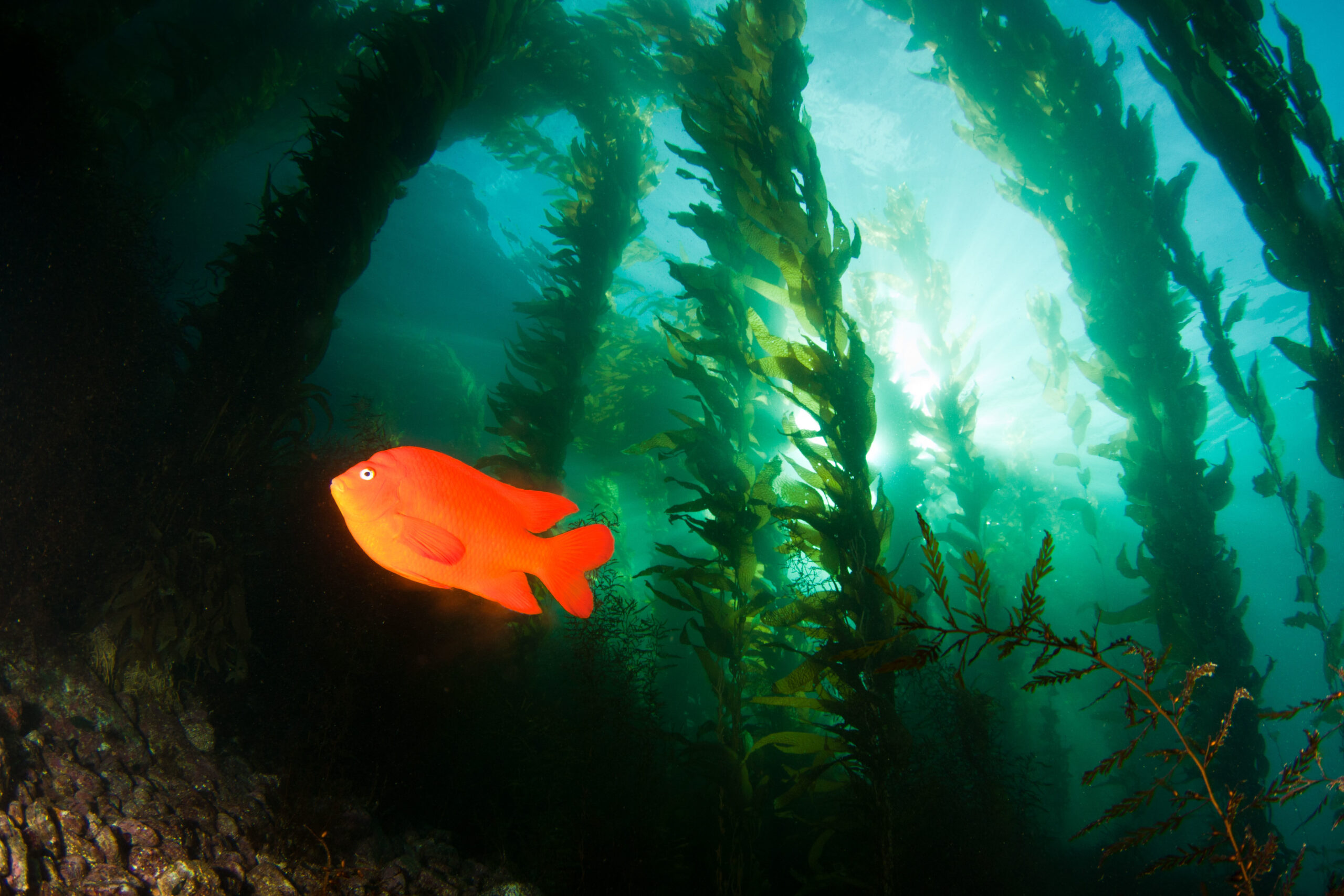
Kelp can grow up to 175 feet in length and is one of the best primary producers in the world, removing 268 megatons of carbon per year. However, when herbivore populations are left unchecked, they can demolish kelp populations to the point of no return. This is what makes the sea otter’s presence so important because they are the ones who will directly limit how many herbivores are in said ecosystem. Along with keeping kelp populations strong, sea otters can also fight against climate change. As mentioned before, kelp forests are strong contributors to primary production, which is driven by photosynthesis. This process is where plants convert carbon dioxide and sunlight into atmospheric oxygen to get energy. At the moment, there is too much atmospheric carbon dioxide on the planet, so keeping these populations high is essential to combating rapid climate change and, therefore makes sea otters so much more important than just being a keystone species.
Otters – Types, Size, Habitat, Diet, Lifespan, Predators, & Pictures
How Sea Otters Can Help Save the Planet | The Marine Mammal Center
Whitepaper: Giant Kelp, a Validated Marine Carbon Dioxide Removal Pathway – Kelp Forest Foundation