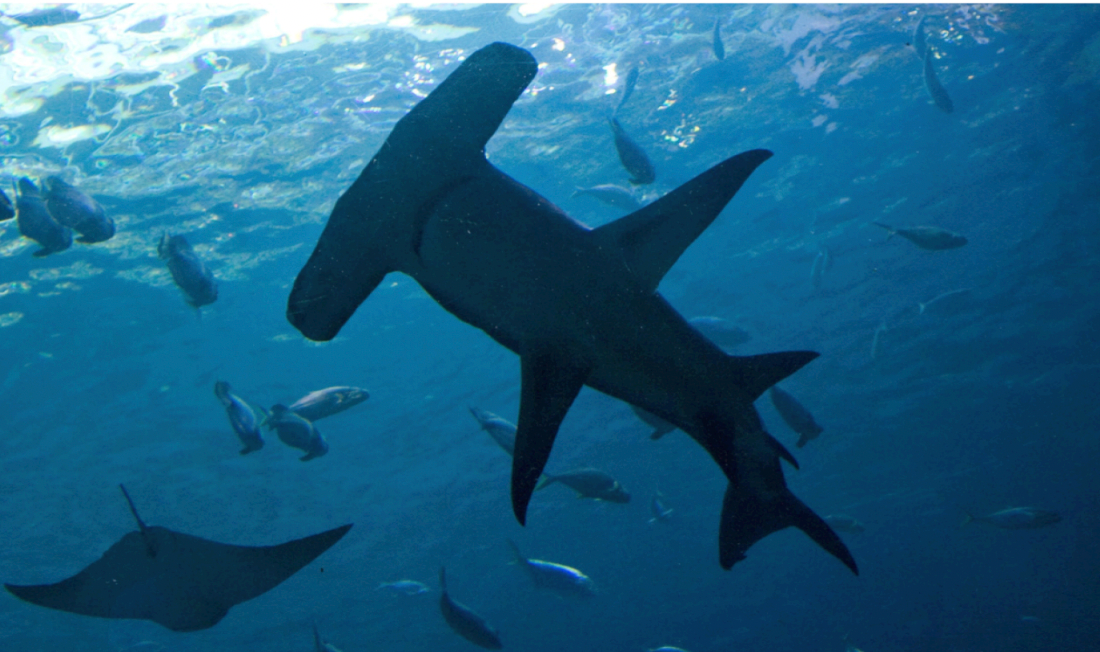
The Great Hammerhead Shark is one of the most iconic and recognizable species on Earth. They are a fascinating species with immense size reaching up to 20ft long and their unique flat elongated head shape known as a cephalofoil. This species is really a marvel of nature and an ecologically important species. They make up the top of the trophic ladder consuming middle-predators like rays which limit those population numbers and balance the trophic ladder. They do this throughout different marine ecosystems around the world which further contributes to their importance. Most importantly, the safety of their populations is at risk and they have been listed as some level of threatened across almost every single subspecies.
Conservation Status
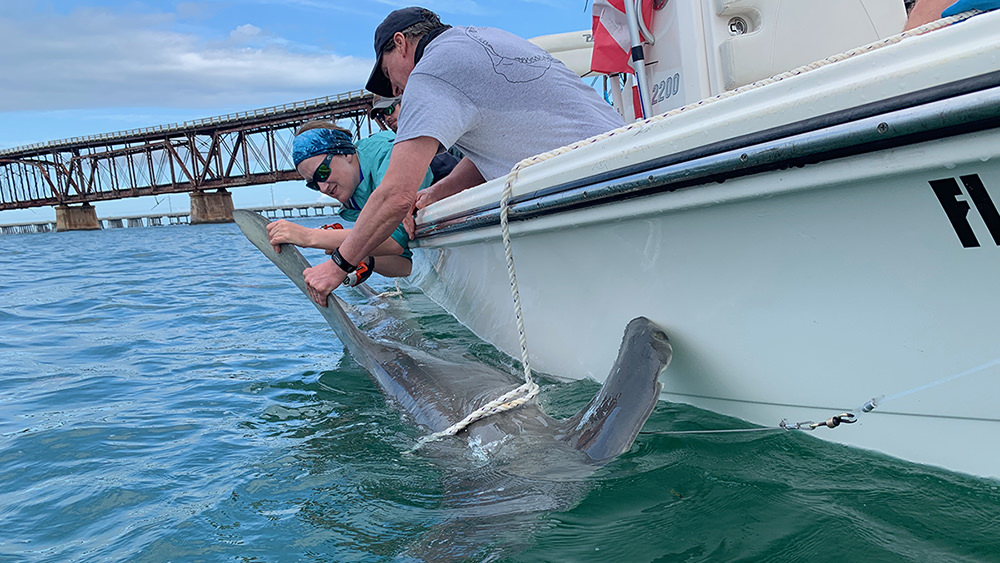
According to the IUCN this is a critically endangered species with huge population declines worldwide due to human activity. The IUCN also states that the population declines reach up to 80% in population size across their range. The conservation efforts for this species remain very difficult as they travel across international borders so it needs to be a worldwide effort. Their distribution has also decreased due to fishing pressure which makes sightings and also studying much more difficult.
Why Are They In Danger?
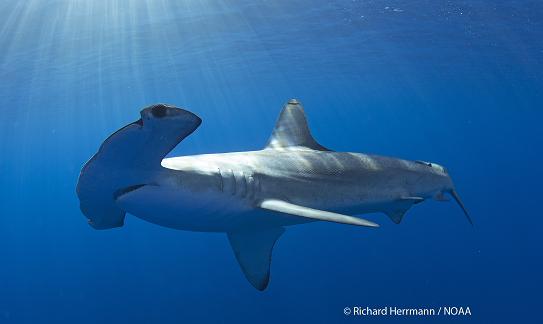
Speaking of fishing pressure, the shark fin trade is a huge part of the extreme fishing pressure this species experiences and greatly contributed to the decline of their population. Their large dorsal and high fin content make them a key target for delicacies like shark fin soup which is sought after in Asian countries. This in combination with bycatch typically from gill net and longline operations has severely depleted the population. This is because they swim in midwater which puts them right in the range for this type of fishing operation. Scientists have also found that even if they are released their survival rate after release is especially low which makes bycatch extra harmful for this species.
The Great Hammerhead also doesn’t rehabilitate quickly as like many other shark species with their large size and apex predator status they sacrifice reproductive rates. This is in reference to their slow grow rate and late reproductive maturity meaning if they are caught too young they never get the chance to help repopulate. This in combination with the long gestation periods and few reproductive events per female’s lifespan makes it difficult for them to keep up with a higher mortality rate.
Why Is This Important?
Finally, after learning all of this about Hammerheads it is crucial to also understand why they are so important. Despite usually being put into a box of scary predators they really hold the ocean together from the top down. They are apex predators making them the regulators of mid-level species across the world protecting producers from being eaten out of existence indirectly. Once we understand their role and how valuable they are the focus can shift to helping them survive. Protecting varying species on Earth is infinitely important to keep the ecology of the world in balance but why not start here with the marvelous Hammerhead Shark.
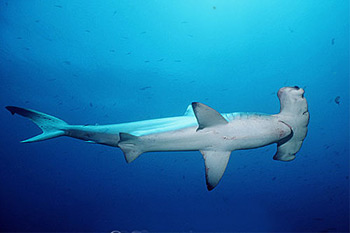
Source: Doug Perrine