
Whether it’s served as sushi, in a bowl, or smoked, salmon is a staple in cuisines around the world. However, many consumers are unaware of where their salmon actually comes from. Most of the salmon found in grocery stores is not caught in the wild, but instead raised in oceanic fish farms. While farmed salmon was originally introduced to minimize overfishing, it has created significant environmental consequences. Salmon farms can hold up to 16 pens, each containing 100,000 fish or more, concentrating large numbers of salmon in tiny cages. These farming techniques not only threaten the health of the species but also disrupt the surrounding marine life and entire ocean ecosystems. What was meant to be a solution has, in many ways, become a new problem.
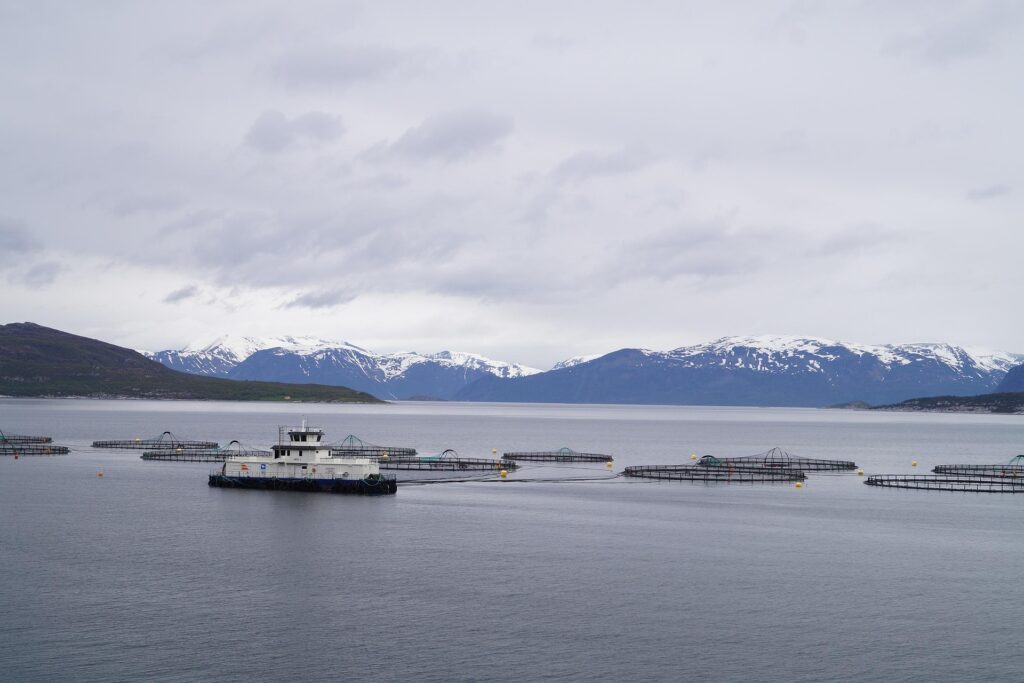
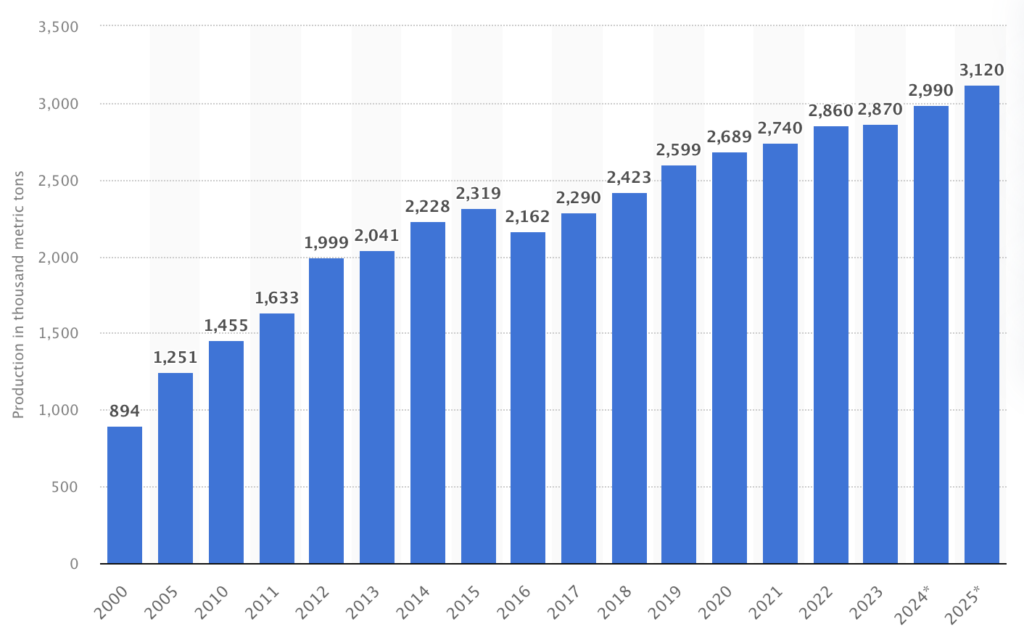
The beginning steps in the life of a farmed salmon start in freshwater, where juvenile salmon are raised. Saltwater is slowly introduced to the juveniles as they grow. Once adapted to saltwater conditions, the young adults are transferred to oceanic pens. This is where they survive the rest of their lives. When the salmon are a suitable weight for the market, they are starved for a week to empty the digestive system and then slaughtered. The slaughtered salmon are not numbered by the individual, but by the ton. In 2019, the global salmon market reached 2.6 million tons, and just six years later, it sprang to 3.1 million tons and is only expected to rise. The impressive quantity of salmon in the coming years will only lead to an increase in disease spread, microbial resistance, and waste input.
Salmon in the wild travel thousands of miles throughout their lifetime, while these caged fish live their lives stuck swimming in circles that are 50 meters wide and 150 meters deep. The cramped pens prevent salmon from exhibiting their natural behavior and often spread disease. Pathogens formed in the pens are treated with antibiotics, which is another problem in itself, contributing to antimicrobial resistance. Not only that, but technical mistakes result in thousands of untracked fish escaping into the wild, spreading disease to wild fish. In 2023, 50,000 salmon escaped into Machias Bay, Maine, and possibly damaged their critically endangered wild salmon.
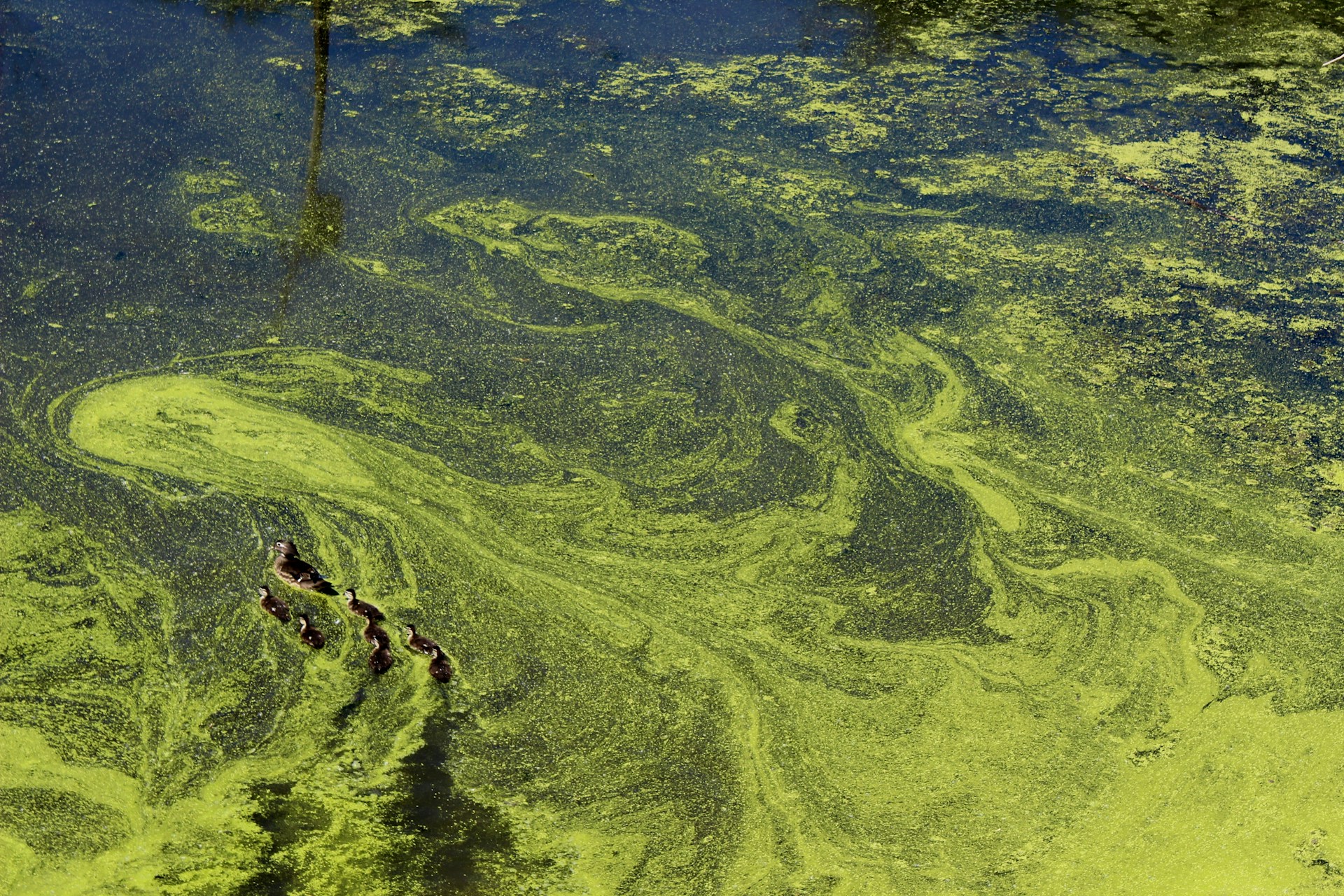
In addition to disease, the thousands of rapidly growing salmon also produce feces, and a lot of it. In fact, several thousand fish in the pens can produce one million pounds of waste annually. This waste is unregulated and untreated, which results in the feces sinking to the ocean floor. This is where it decomposes to release nitrogen and reduce the amount of dissolved oxygen. The waste also feeds algae, and too much waste increases populations exponentially. The algae use up all the necessary resources and eventually die off. Bacteria feed on the dead algae and plants, which use up the remaining dissolved oxygen. The increase in algae is known as a toxic algal bloom (Eutrophication). Blooms can cause die-off in fish, plants, crustaceans, and ultimately entire ecosystems. While some amount of nitrogen can be beneficial for the marine environment, the sheer amount of waste produced by these farms is extremely harmful to the surrounding ecosystem.
One example of salmon pens disrupting the environment is salmon farming in the state of Maine. Maine is a leader in marine waste production with minimal regulation in place. The permits for Maine’s pens don’t require companies to track or limit their waste input in the ocean. The Department of Marine Resources in Maine is the government office that is responsible for renting out locations to place the farms. In order to finalize a spot, the environmental conditions are supposed to be a certain way so that the impacts of the farm are minimized. However, the Department is currently failing to choose the right locations; they have approved farms that are too close to each other, in important fishing areas, and shallow water ecosystems in which the waste is more impactful. Another Department in Maine, the Department of Environmental Protection, doesn’t set any limits on the pollutants produced by the farms and doesn’t value monitoring how the pollutants affect the surrounding environment.
If the salmon farming industry is going to continue, it needs to make changes to their business procedures. Marine ecosystems, especially in Maine’s waters, will not be able to sustain the amount of waste dumped into the ocean. Loss of crucial plant species like eelgrass, local fish species, and even entire habitats will continue. Fortunately, many environmental advocates are fighting for the protection of our oceans and standing up against the negligent Departments. As advocates ourselves, we can purchase wild salmon instead of farmed, go to protests, sign petitions, and serve our part in the Earth’s ecosystem.
Featured image shows plated salmon sushi obtained from ran liwen on Unsplash