A pod of killer whales circles a gray whale calf. The ocean surface erupts with splashes as the calf struggles to keep up with its exhausted mother. Suddenly, a 30-ton humpback whale charges into the chaos, tail splashing and its massive pectoral fins striking the water in order to scatter the orcas. The calf survives.
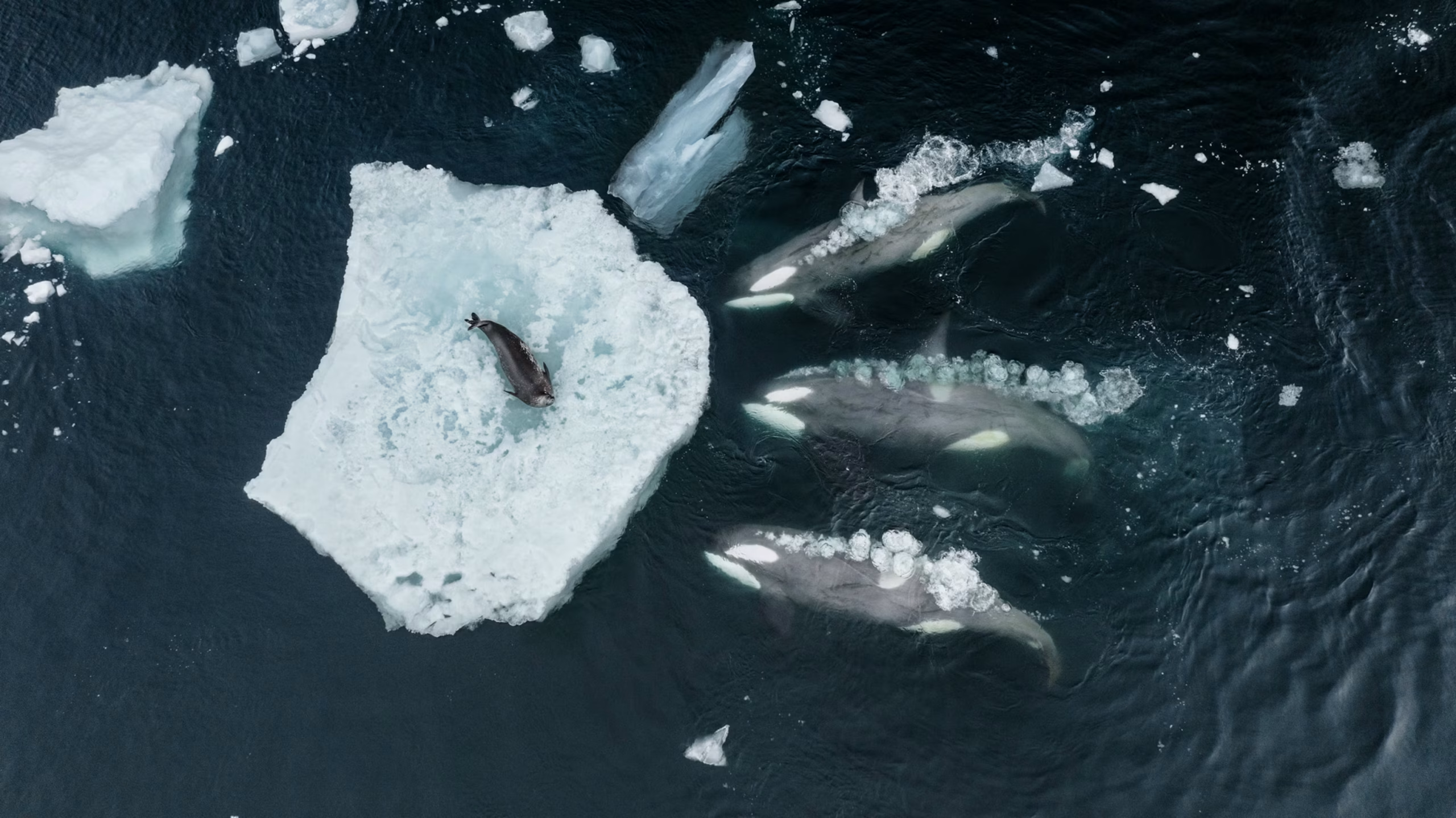
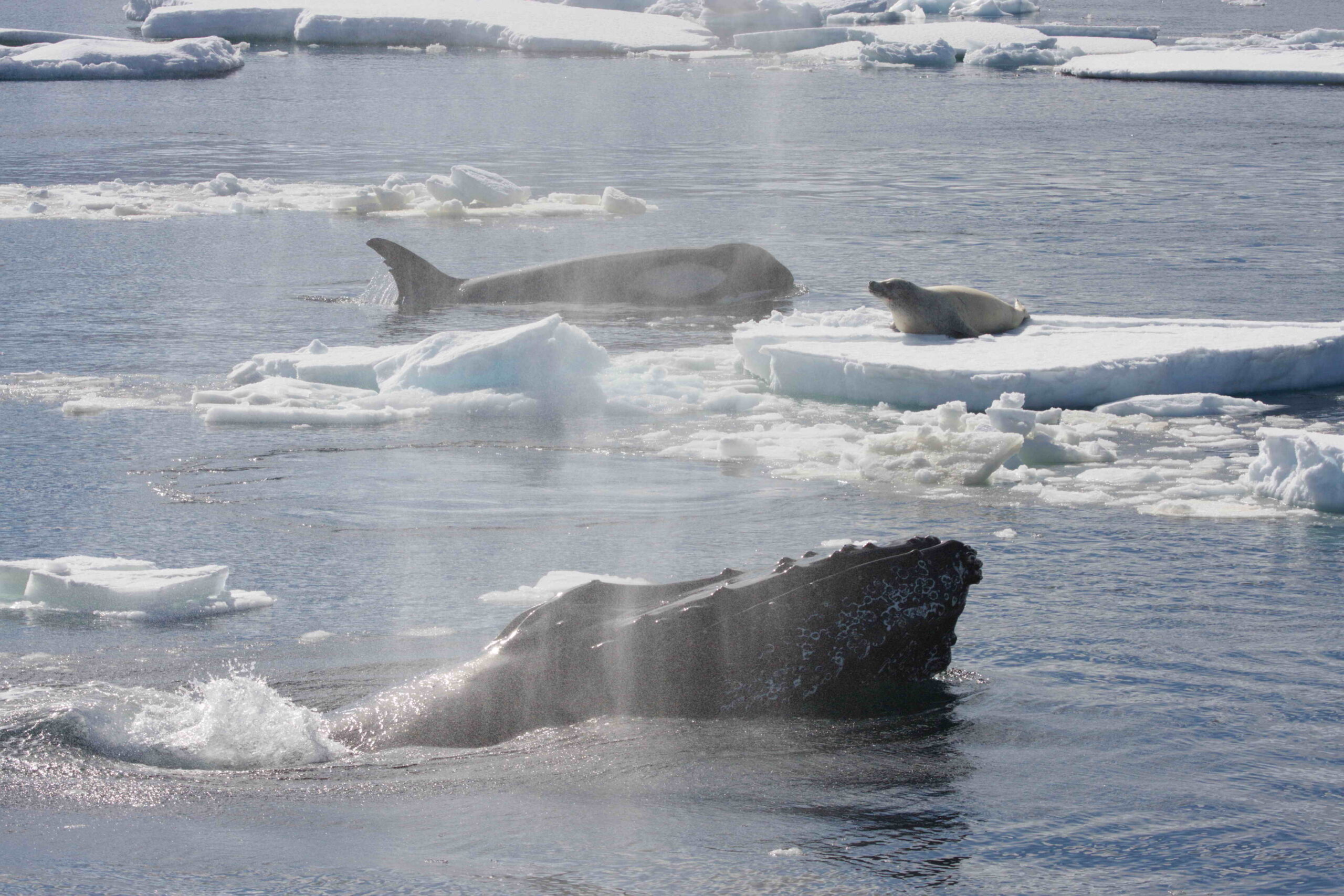
Encounters like this are not rare accidents. Scientists have documented over 100 cases of humpback whales intervening in hunts done by orcas. Humpbacks do not only defend members of their own species, but will go out of their way to protect other marine animals. Researchers have observed them disrupting attacks on gray whale calves, seals, and sea lions. Humpbacks will even position their bodies between the orcas and prey, occasionally even lifting the seals onto its chest to shield it while t1aking on bites and attacks.
It is tempting to call this heroism, but biology rarely works in moral terms. Researchers analyze these encounters and suggest the behavior may be something called “inadvertent altruism” (Discover Magazine). Humpbacks are known to aggressively defend their own calves from orcas, which are one of the few predators capable of killing young whales. Scientists believe that adults may be responding to the specific sounds and signals of orca hunting behavior. When those cues are heard, they approach and intervene, possibly assuming that a humpback whale is under threat. By the time they realize the target is another species, the defensive behavior is already underway. Others believe that humpbacks are protecting other species while they are in their weakest stage. It may be personal, they may have been attacked by orcas themselves when they were babies, and now are determined to protect others from the same fate.
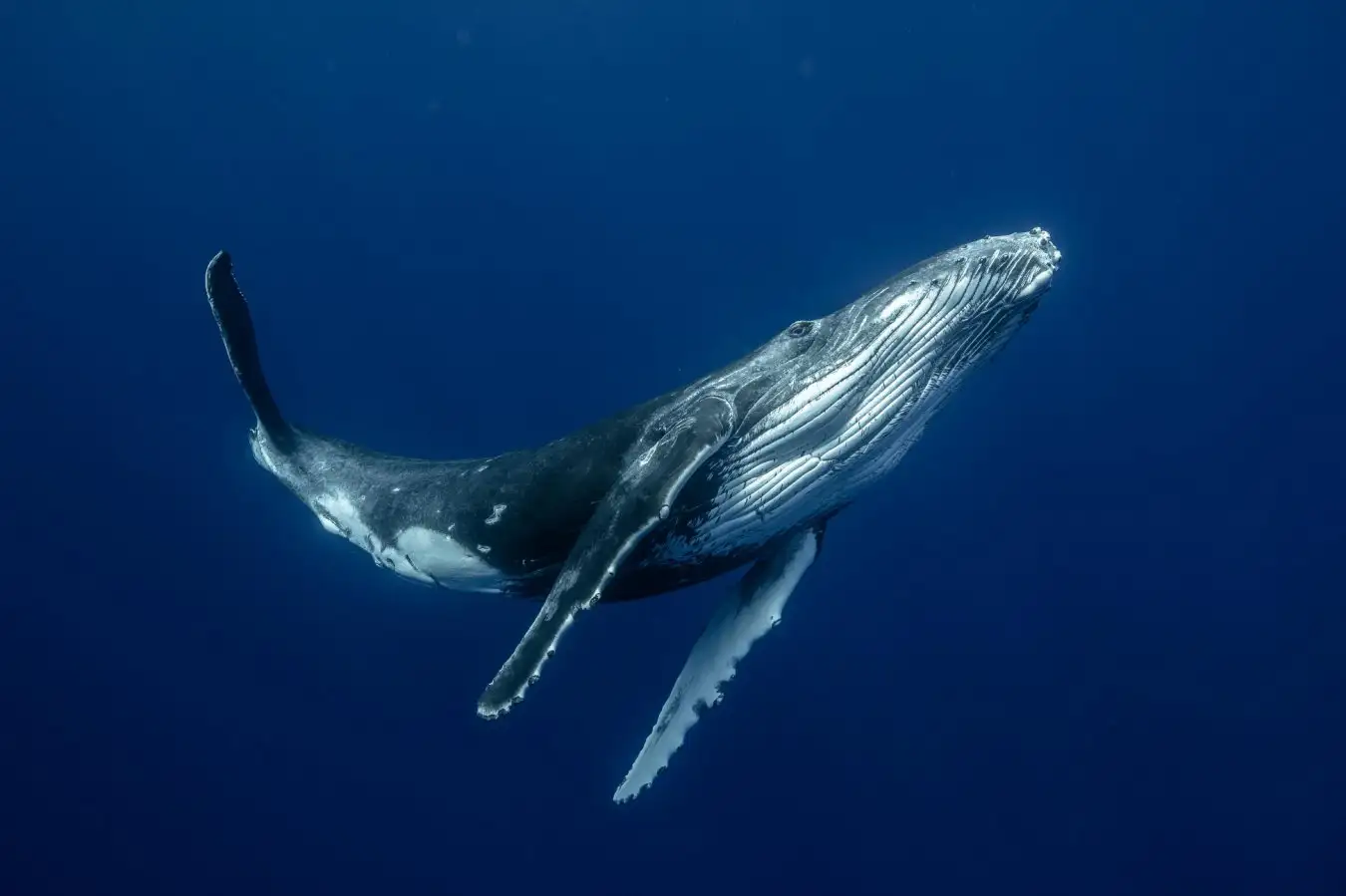
This reasoning makes sense in evolutionary ways. True selflessness, helping another species with no benefit, is extremely rare. Intervening in a hunt requires an incredible amount of energy and carries large risks. Some humpbacks have even been reported abandoning their feedings to travel and reach predation events. One hypothesis is that disrupting hunts reduces overall predation success for orcas in that region. Even if the immediate beneficiary is the seal, or whale calf, lowering orcas hunting efficiency ultimately reduces the risk to humpback calves. It could be a powerful anti-predator strategy shaped by natural selection instead of compassion. The outcome regardless is remarkable, marine ecosystems are often described in simple predator-prey terms, yet these interactions reveal something more complex. Large whales can influence top predators, altering hunting dynamics in ways that ripple through the food web. So humpback whales are not heroes in the human sense since they are not consciously rescuing strangers out of empathy. Instead, evolution has equipped them with a fierce defensive response to orca threats. Yet in protecting their own species, they save others as well whether they are heroic or instinctive.