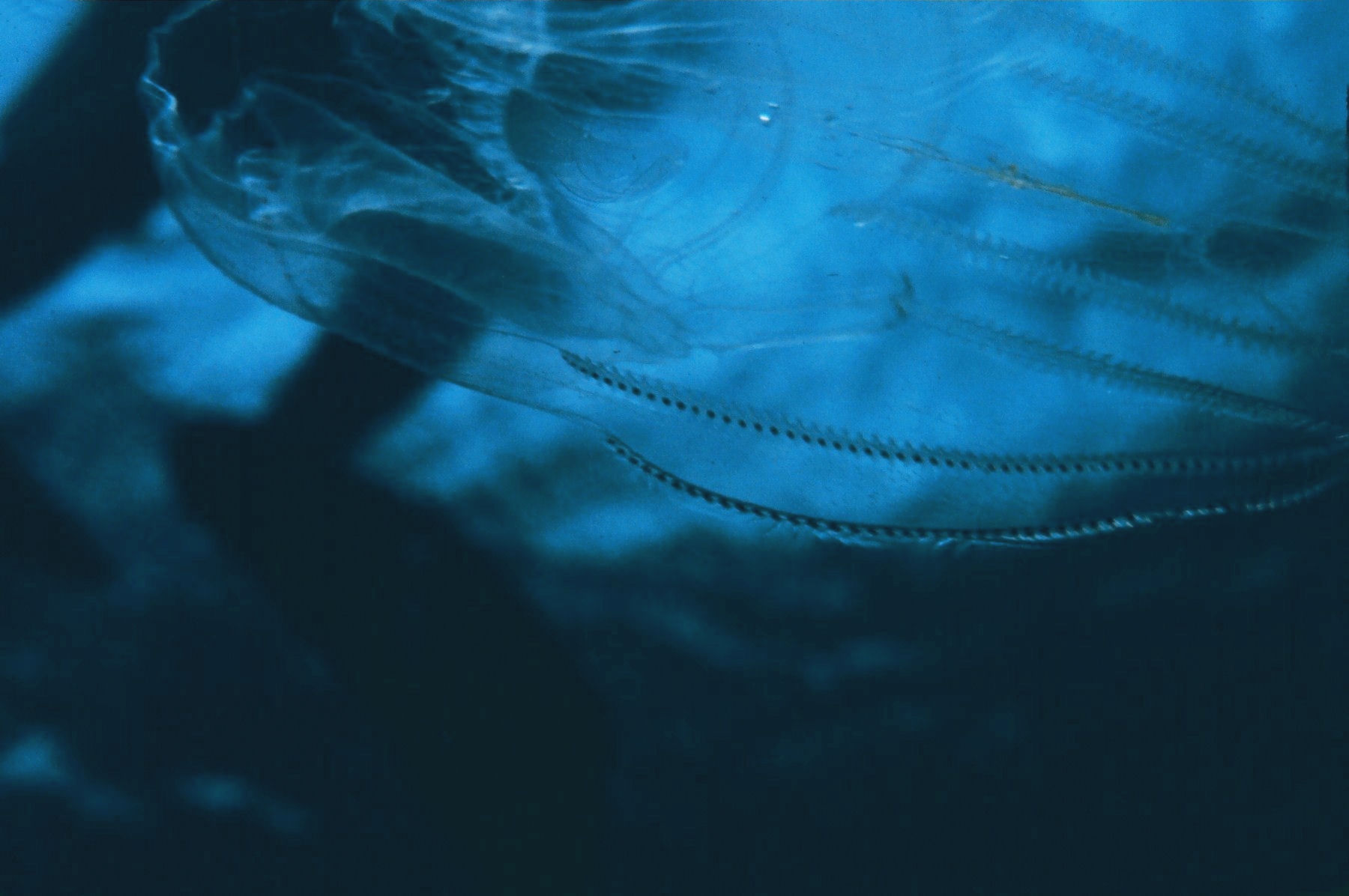
When people visit aquariums, they often focus on the large animals like sharks, sea lions, belugas, and jellyfish. But some of the most important species are the ones most visitors overlook. Comb jellies (phylum Ctenophora) are a perfect example. These small but ancient marine invertebrates have existed for over 700 million years, and some scientists believe they may have been the first animals to evolve, predating even jellyfish and anemones. As someone pursuing a scientific career, I want to bring attention to species like comb jellies because understanding their biology and ecological roles helps us better understand the foundations of marine ecosystems.
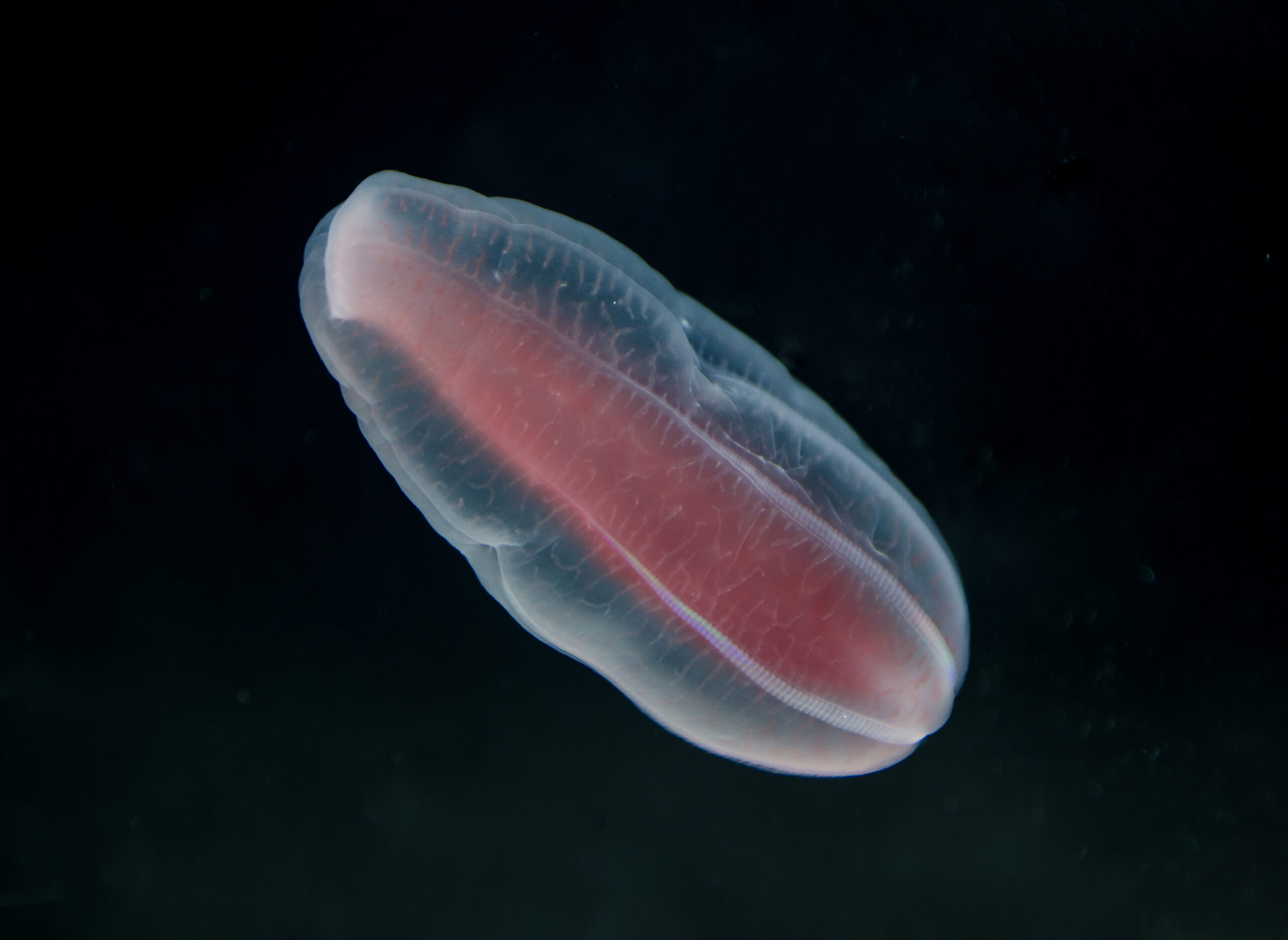
Comb jellies play a crucial role in marine ecosystems. They serve as a food source for larger animals, help regulate plankton populations, and, most importantly, provide insight into how species adapt to extreme climate change. Comb jellies can tolerate a wide range of temperatures and salinities and reproduce quickly, allowing them to colonize new areas. In some scenarios, however, these traits can have negative ecological effects. Rapid population increases can disrupt ecosystems by reducing competition within food webs, and comb jellies can also impact commercial fisheries by consuming fish eggs and larvae, leading to decreased fish populations.
Although ancient, comb jellies can be both beneficial and harmful in today’s marine ecosystems. They help control populations of smaller organisms, contribute to nutrient cycling, and play a role in carbon transport. Yet their ability to thrive under changing climate conditions allows them to outcompete other species, potentially destabilizing food webs. Because of this dual nature, understanding comb jellies is essential for predicting and protecting the future health of our oceans.