Sea turtles are among our planet’s most ancient and graceful marine species, having roamed Earth’s oceans for more than 100 million years. Today, however, they face an unprecedented suite of threats, and all seven species are currently listed as either endangered or threatened. One major challenge is our rapidly warming climate, which is altering ocean temperatures and expanding the turtles’ geographic range. Although a wider range might initially seem beneficial, it has created new survival obstacles—especially for sea turtles that venture into regions historically too cold to inhabit.
In New England, spotting a sea turtle is not unusual, particularly in late summer and early fall when ocean temperatures peak. The species most commonly encountered in these waters include green turtles, Kemp’s ridleys, loggerheads, and occasionally leatherbacks. As ocean temperatures continue to rise, scientists have documented a steady increase in the number of sea turtles migrating to New England each year. With this increase in seasonal abundance, there has also been a corresponding rise in turtles needing human assistance. These animals face several dangers—such as boat strikes and entanglement in fishing gear—but in the Northeast, the most frequent threat is a physiological condition known as cold stunning.
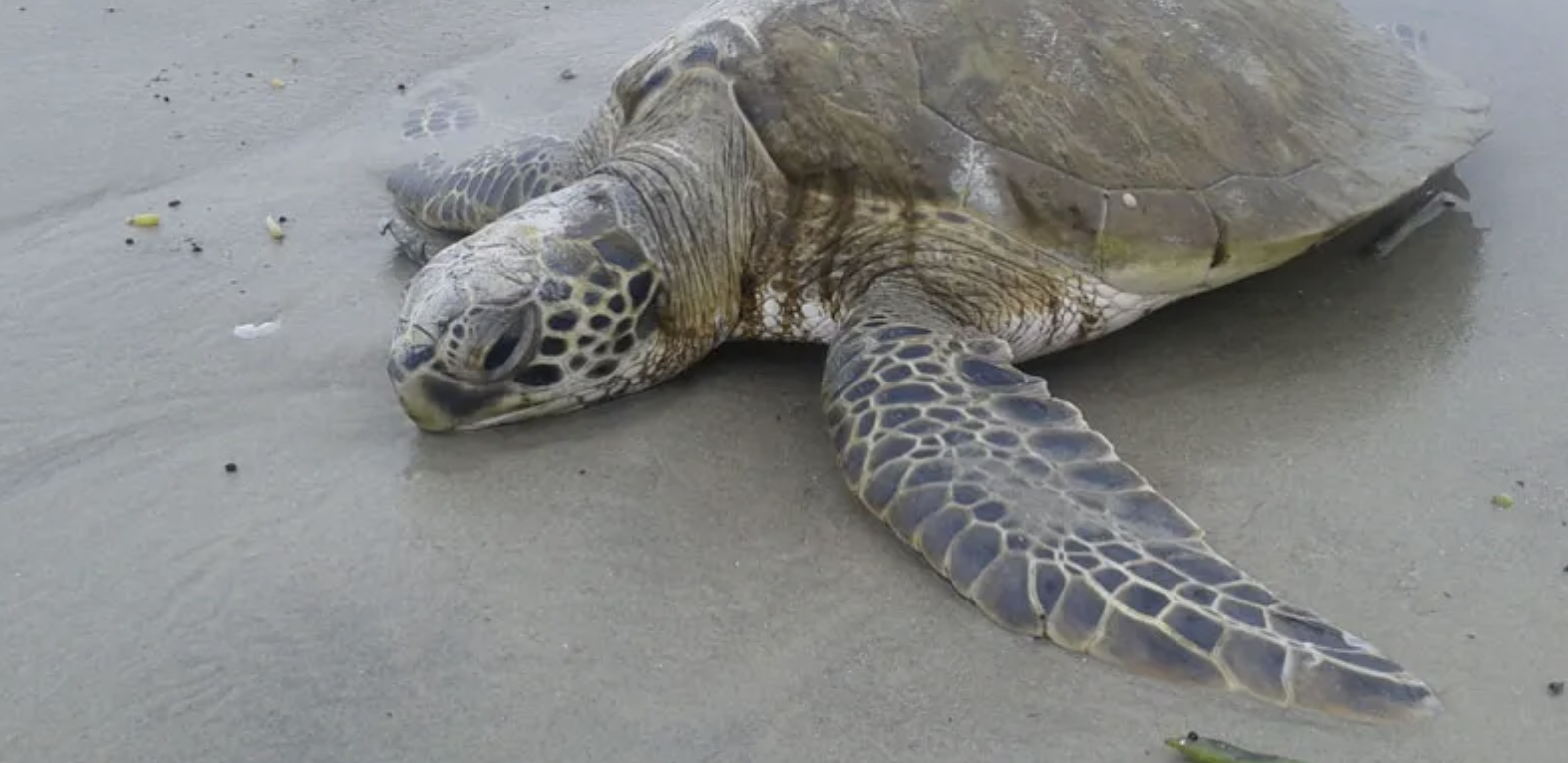
Cold stunning is a hypothermic reaction that occurs when sea turtles are exposed to water temperatures below what their bodies can tolerate. Because sea turtles are ectothermic (cold-blooded), they cannot regulate their internal temperature, and their natural range historically kept them in waters warm enough to avoid this condition. However, with climate change enabling turtles to travel farther north during warmer months, they must also undertake longer migrations south to escape winter conditions. Cape Cod, with its distinctive hook-shaped geography, presents a navigational challenge: many turtles become trapped in Cape Cod Bay as water temperatures drop rapidly in late fall. When cold stunned, a turtle’s metabolic processes slow dramatically. They become lethargic, lose the ability to swim effectively, and are at heightened risk of drowning. Eventually, they may wash ashore with extremely shallow breathing, a slowed heartbeat, and reduced circulation. In 2024 alone, more than 700 cold-stunned sea turtles were rescued and rehabilitated in New England—most of them in Massachusetts (New England Aquarium, 2025).
Rehabilitating cold-stunned sea turtles is a complex medical process, far more involved than simply warming them up and returning them to the ocean. Veterinarians and trained marine rescue teams must carefully stabilize each animal, gradually increasing water temperatures to avoid shock, and treating associated medical conditions such as pneumonia, dehydration, infections, or physical injuries sustained during the stunning event. Because cold stunning can severely diminish a turtle’s strength, feeding responses, and buoyancy control, recovery often takes weeks to months. Only once a turtle demonstrates consistent eating habits, strong swimming ability, and normal physiological function can it be cleared for release back into the wild.
Although the issue is daunting, there are meaningful ways the public can help. If you encounter a stranded sea turtle, do not touch it, move it, or attempt to return it to the water—doing so can worsen its condition. Instead, keep a respectful distance, ensure others do the same, and immediately contact the appropriate local wildlife rescue hotline, which can be easily found online. Trained responders rely on these reports to locate and assist turtles before their condition deteriorates further.
Human-driven climate change has created many of the challenges sea turtles now face, and with that responsibility comes an obligation to aid in their protection. By remaining vigilant, informed, and willing to act responsibly, we can play a meaningful role in helping these ancient mariners survive and continue their long journey through the world’s oceans.
Credits
https://seaturtles.org/what-happens-when-sea-turtles-are-cold-stunned/ (image)